


 Français
  English (UK)
  Русский
  العربية
  日本語
日本語  한국어
한국어  Magyar
  Türkçe
  Español
  Čeština
  Svenska
  Português
  Ελληνικά
  Suomi
Suomi  Nederlands
  Română
  Italiano
  Polski
  Українська
  Deutsch
  简体中文
简体中文  Slovenčina

Prioritize diversifying fuel supply and expanding neopanamax capacity to remove bottlenecks along the main maritime artery. This step reduces exposure to shocks and preserves timely access to key markets. For operators, gatun locks remain central, and coordinated upgrades should aim to raise throughput while avoiding excessive congestion around peak windows.
Ongoing data shows neopanamax vessels accounting for a growing share of monthly traffic, while older classes adapt by shifting to alternate paths. The lakes region and feeder links around the corridor shape congestion and transit times. Earlier patterns highlighted occasional maintenance windows and weather variability that continue to influence scheduling decisions, with average delays still tied to upstream capacity constraints.
Market signals reflect these dynamics: pricing for import and export flows tightens when access is constrained, which poses challenges for manufacturers and retailers. The impact on logistics costs feeds into consumer prices and investor sentiment. источник data points to a preference for diversified operators and transparent schedules, with magellan as a potential alternative for some cargoes, though it comes with longer routes and higher fuel consumption. The main corridor continues to rely on gatun operations and lake hydrology to sustain steady throughput.
Policy and governance angles add to the complexity: cross-border coordination, port performance, and security arrangements shape the ability to maintain reliable access to markets. To mitigate these risks, operators should implement scenario planning, diversify fuel sourcing and contingency bunkering, and build redundancy into logistics networks. Monthly metrics on capacity, utilization, and transit times should guide operational adjustments, and engagement with lenders and investors–such as BlackRock–can support targeted investments in dredging, lock modernization, and maintenance cycles. Ongoing collaboration with regional authorities and private sector partners remains essential to preserve around-the-lakes operations and ensure persistent markets access.
Action plan: 1) accelerate neopanamax readiness and expand bunkering and storage facilities; 2) adopt shared data platforms for real-time visibility across carriers, shippers, and authorities; 3) diversify fuel sourcing and establish robust contingency routes; 4) implement transparent maintenance and dredging schedules with independent oversight; 5) align with institutional investors (including BlackRock) to time capital commitments; 6) cite источник data feeds to track progress and validate outcomes.
Operational and Policy Impacts for Global Traders and Ports
Recommendation: Build a robust base using digital tools to speed transiting, expand networks, and keep options open for neopanamax vessels that can pass through the historic canal as asia demand grows. Set tolls that reflect vessel size and time, including options that encourage fuel savings and lower overall costs, and reinvest savings into base planning.
Operational implications include tighter scheduling around pilot availability, bridge openings, and access to coasts. The largest vessels that fit neopanamax limits will drive the tempo of shipments, so earlier planning with digital tools can cut idle time and save fuel. For networks linking asia, convergence on common data formats improves predictability; this main effect is reduced variability in lead times and higher pass-through reliability for cargo owners and operators.
Policy levers should focus on toll design, scheduling transparency, and pilotage practices. Operators and ports can implement tiered tolls tied to dwell times, promote earlier bookings, and reward high-efficiency units. Digital sharing of pilot and bridge windows, combined with standardized ETA feeds, helps meet service levels while preserving safety and coastside access.
Practical steps for port authorities and carriers include upgrading berths for deep-draft calls, expanding the pool of qualified pilots, and investing in tools that forecast congestion and vessel movements. Emphasis on digital readiness reduces delays in pass management, improves fuel efficiency, and supports a more resilient base for asia-origin shipments. By aligning policies with the needs of mainline operators, stakeholders can save costs and keep service levels stable as demand patterns shift and volumes grow into the next decade.
Assessing transit schedules: expected delays, slot availability, and peak-season windows
Recommendation: lock slots at least 21 days before the calculated sailing date; target midweek windows and explicitly include saturday options to reduce waits. For panamax-class movements, early bookings cut the probability of slot rejection by roughly 25–40% and improve the chance to receive a berth on the intended date.
Planning steps include gathering vessel details (dimensions, draft) and when the ship is due; collecting data from terminal and inland partners; routing through the railway to estimate final delivery timing; using centralized systems that fuse port, terminal, and carrier data; after confirming, monitor for changes and reallocate if necessary.
Seasonal window: peak-season spans roughly 6-8 weeks each year; delays during these periods typically range 24-72 hours for panamax-class movements, while outside peak weeks waits fall to 12-24 hours. Slot availability tightens as date draws closer; if original plans are passed, the vessel may wait for the next window. With increased volumes, millions of TEU move through the systems, requiring tighter synchronization across these routes and the coasts that connect oceans. owen, a planner at a blackrock-backed corporation, notes that when coordination happens with railway and shipping networks, the systems can cut waits by 20-30% year over year. If these plans stumble, consider alternative routes and coasts to keep cargo moving.
Insurance and risk costs: how tensions shift premiums and coverage for canal transit
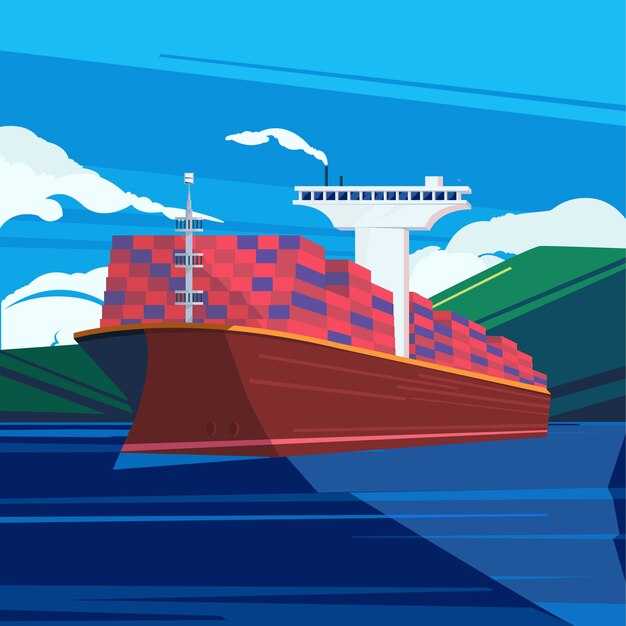
Recommendation: lock in a layered marine cargo program that combines a baseline policy with a short-term surcharge rider, set a cap on total surcharges for the corridor, and appoint a dedicated authority to manage claims and renewals; pair this with real-time risk dashboards and keep five reliable underwriters in rotation to reduce single-point exposure over years.
Premium dynamics show that among global markets, baseline cargo rates typically range from 0.15% to 0.50% of cargo value, but during volatility this rises to 0.60%–1.00%; corridor-specific surcharges add another 0.10%–0.40% per voyage, and frequent spikes can push the cost per shipment higher, affecting volume decisions and turning risk volatility into visible cost pressure for shippers and owners alike.
Coverage design prioritizes scaling limits with shipment size. Raise limits to 2x–3x standard coverage for high-volume moves, and include extensions for liability, war risk, confiscation scenarios, and cargo-related delays. Droughts impacting water levels can slow passage, increasing demurrage exposure and potential loss; align policy wording with a 40-foot size container and the volume mix common in americas trades.
Strategic considerations emphasize diversification. Many shippers examine alternatives such as gateways in the americas or other corridors where risk is highest, considering market history and tail risks, while maintaining service levels; this offers opportunities to balance higher premiums with stable supply, supporting both smaller and larger clients. The system of underwriters and risk managers in this space, with york-based brokers among them, can provide good coverage and price discipline across multiple worlds and regions.
Execution steps: implement a five-step ramp to tighten protection: map exposure by lane and container size (40-foot); engage five underwriters; set surcharge caps; deploy a real-time risk system; run quarterly drills and recalibrate; use the owen model for scenario analysis; include droughts and weather contingencies; involve shippers and supply chains across the americas, china, and other regions; this approach gave a clear path to improve margins and resilience.
Security measures and crew considerations: complying with new protocols during canal passage
Recommendation: appoint aparicio as the security liaison and implement a five-point pre-transit check today, covering identity validation, access control, cargo verification, hazardous material handling, and emergency procedures.
Mandate a shipboard briefing and require that all crew complete updated protocols; verify that containers are sealed and documented before transiting through the strait, with muster roles assigned and a dedicated watch at balboa approaches.
Equip personnel with PPE that fits the feet and ensure slip-resistant footwear; conduct drills for line handling and remote monitoring when maneuvering around 40-foot containers in tight spaces near the waterway, with agua sensors monitoring water conditions to flag potential contamination or foul play.
Adopt tools to monitor access and cargo authenticity; the protocol increases visibility into every container and yields gain in security posture for the corporate group and its global partners, reinforcing loyalty to safe operations within the company.
Institute a five-point daily readiness review, including risk assessment, incident logging, and corroboration with the corporation’s compliance team; transiting operations should report any anomaly within an hour to the control center to avoid delays and maintain continuous movement today.
Post-passage, conduct a debrief and share lessons learned with the global network; the ongoing cycle supports an ongoing adaptability, providing an advantage to the company as fleets adjust to the new protocols under aparicio’s guidance, today and beyond.
Freight economics: toll structures, surcharges, and impact on container routing
Forecast total cost per TEU for a four-week window and lock bookings to minimize surcharges. Oceans connect suppliers and buyers, so that four-week planning creates great opportunities in markets, with daily updates on weather and capacity; buying early and transiting during favorable windows helps you control what is paid.
Tariff architecture
- Base tolls: published grid; tiers by container size (20′ vs 40′), vessel class, and service type; there are four tariff periods each year; updates occur annually and again before peak periods; the panamanian regulator’s framework works to keep the charges transparent.
- Variable components: bunker adjustment factor (BAF), currency adjustment factor (CAF), congestion or port-visit surcharges, and per-call charges; these are paid on top of the base toll and can shift with fuel prices and market conditions.
- Non-toll fees: documentation, per-call charges, pilotage and handling fees at origin/destination ports; include them in the total cost model.
- Notes: the structure is the same for most customers, but the exact amounts paid depend on container size, vessel class, and booked window; always verify the current tariff grid before booking.
Surcharges and drivers
- BAF: tied to daily fuel indices; typical impacts range from 200–400 USD per TEU per sailing, rising with fuel price volatility; monitor the index to forecast potential changes until negotiation cycles.
- CAF: currency swings can add 1–3% to charges; the effect depends on invoicing currency and market rates at loading and discharge.
- PSS (peak-season surcharge): applies during periods of high demand; commonly 100–300 USD per TEU, but can be higher during stress months.
- Security and pilotage: per-call and per-shift fees; include them in the paid total; some charges apply at origin or destination.
- Weekend premiums: saturday sailings may carry extra surcharges; factor this into the planning and booking strategy.
- Weather-related adjustments: storms or rough seas can trigger adjustments; plan until forecasts improve to avoid volatility and extra cost.
Impact on container routing
- Transiting choices: compare four plausible corridors; calculate total cost including tolls plus surcharges and port calls; the cheapest pathways should be prioritized.
- Time vs cost tradeoffs: fast sailing reduces days at sea but can raise tolls; later, cheaper options may slow the schedule yet reduce paid charges; weigh the biggest impact on service level and inventory.
- Weather windows: weather conditions shape routing decisions; act quickly when conditions derail plans and consider alternative paths that maintain reliability.
- Signaux du marché : les marchés évoluent avec la demande ; des opportunités d'achat se présentent lorsque la capacité s'aligne sur le prix ; ajustez le plan pour exploiter ces opportunités.
- Mises à jour réglementaires panaméennes : des changements de politique affectent les tarifs ; suivre les avis officiels et mettre à jour les modèles de coûts en conséquence ; le défaut d'ajustement pourrait signifier ne pas avoir prévu des coûts plus élevés.
- Leviers opérationnels : modifier la taille des navires, la vitesse de navigation et les schémas d’escale pour optimiser les coûts de transit ; adopter une approche dynamique pour maintenir des itinéraires rapides et fiables.
- Élaborer un modèle tarifaire comprenant le péage de base, le BAF, le CAF, le PSS, les primes de week-end et les frais portuaires ; mettre à jour trimestriellement ou lorsque des changements de politique surviennent.
- Mettre en place un processus de suivi quotidien pour comparer les coûts totaux des quatre itinéraires, en incluant tous les suppléments; effectuer les réservations pendant la période définie afin de bénéficier de tarifs plus avantageux.
- Négocier avec les transporteurs pour les réservations anticipées et les engagements de volume ; intégrer les opportunités d'achat dans le plan de projet et le calendrier d'approvisionnement.
- Intégrer le risque météorologique dans la planification ; envisager des options de navigation le samedi ; maintenir des itinéraires alternatifs et un calendrier flexible pour gérer les retards.
- Documenter et examiner le processus ; suivre les suppléments payés et les frais inclus ; tenir un registre pour étayer les futurs appels d’offres et éviter de répéter les erreurs si les prévisions n’étaient pas exactes.
Planification des mesures d'urgence : itinéraires alternatifs, options multimodales et stratégies de gestion des stocks
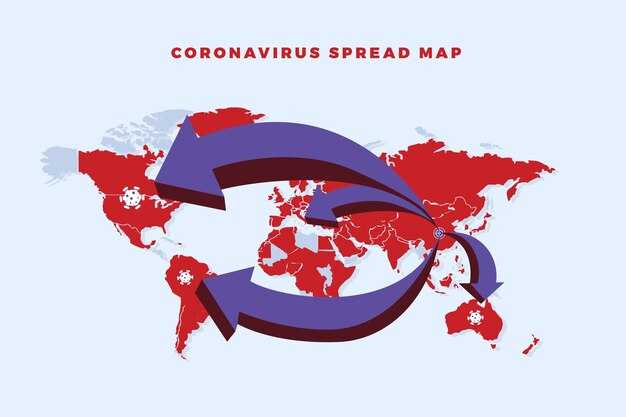
Recommandation : mettre en œuvre une approche de contingence à trois volets pour maintenir la circulation des marchandises en cas de resserrement d'un point de passage obligé. Diversifier les corridors à travers les Amériques et les océans, et verrouiller les options multimodales pour réduire l'exposition. Assurer une visibilité en temps réel et une capacité réservée pour minimiser la latence ; appliquer des contrôles quotidiens pour maintenir la volatilité des prix à un niveau gérable. Leurs opérations peuvent être rapidement redirigées en cas de sécheresse, de retards d'expédition ou de grèves, puis reprendre un flux normal avec un minimum de perturbations.
Options multimodales : mettez en place une combinaison flexible de transport ferroviaire, de barges fluviales, de camionnage et de transport aérien sélectif pour les marchandises urgentes. Utilisez des conteneurs de 40 pieds comme norme; les terminaux de Flores peuvent servir de nœuds de transfert, livrant aux concentrations dans les Amériques. Maintenez en place des pipelines de réservation en temps réel et des pilotes pour accélérer le débit, et maintenez la capacité réservée pour trois périodes de fenêtres, puis rééquilibrez au besoin.
Stratégies d'inventaire : définir un stock de sécurité pour couvrir la demande quotidienne pendant les retards, avec de petites réserves près des principaux points de passage. Appliquer des prévisions glissantes pour les variations de la demande, des mises à jour quasi en temps réel et réviser en dessous des seuils. Utiliser une classification à trois niveaux pour hiérarchiser les articles essentiels et s'assurer que le carburant et les composants critiques sont stockés. Maintenir de faibles ruptures de stock et éviter le surstockage en effectuant des contrôles hebdomadaires et quotidiens ; conserver les articles qui améliorent l'efficacité et la flexibilité de la chaîne d'approvisionnement.
Surveillance et signaux de risque : suivre les sécheresses et leur impact sur les itinéraires intérieurs, surveiller les fluctuations des prix du carburant et anticiper les expéditions tardives. Utiliser источник data pour calibrer le calendrier de réapprovisionnement ; organiser une vente aux enchères quotidienne de capacité pour combler les lacunes ; s'assurer que les flux de conteneurs de 40 pieds sont enregistrés et suivis. Garder un œil sur les trajectoires de prix et ajuster les commandes avant que les stocks ne s'épuisent, puis exécuter des mouvements d'urgence en toute transparence pour l'administration et les partenaires.
Étapes de mise en œuvre : former un groupe de travail avec trois membres principaux, attribuer les responsabilités et établir une fenêtre de décision claire. Pré-réserver des capacités auprès de divers transporteurs pour maintenir des options de secours, puis organiser des enchères périodiques pour capturer l'espace inutilisé. Développer un tableau de bord de bout en bout fournissant un état en temps réel, des alertes en dessous du seuil et des notes de progression quotidiennes pour le réseau des Amériques. Ici, les terminaux Flores et les équipes de pilotes peuvent prendre en charge le réacheminement rapide et assurer la continuité des expéditions, même en cas de sécheresse ou de chargement tardif. Les projections en millions de dollars ont permis une résilience, soutenue par des structures diversifiées et des pratiques d'inventaire rigoureuses, avec une visibilité totale.