



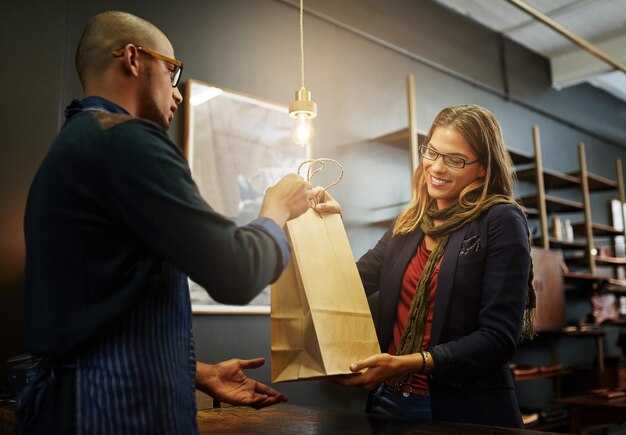
Adopt a standardized ropis workflow across all stores, based on a single science-backed model, and train teams to execute it consistently. This approach minimizes errors and reduces customer wait time when orders are ready for pickup.
In practice, top retailers track on-time pickup rate, wait time, and spend per visit. Real-time inventory visibility and dedicated pickup lanes raise on-time pickup to 95-98% in mature programs, and once customers see the status, spend at pickup increases by 12-25% as they add items during the pickup experience.
Offer multiple options and keep the workflow simple so staff can perform quickly. Use acronyms consistently for the process, such as BOPIS and ropis, to minimize training. A set of models lets you support both in-store and curbside pickup and expand to mobile-first flows.
Managing exceptions remains essential: when a product isn't ready or is missing, offer an additional backup option and communicate clearly. If something goes wrong, present extra alternatives and learn from root causes to adjust the model. The process must stay being simple for staff and customers alike, and the data continues to guide improvements.
To scale, expand the program from one pilot store to a network with mobile integrations, allowing customers to track orders and switch channels with a tap. This approach continues to be grounded in data and the science of fulfillment, delivering options that are fast, predictable, and cost-efficient, and allows retailers to scale efficiently.
Practical BOPIS Adoption: Steps for Retailers
Implement a unified BOPIS workflow now by deploying an OMS that ties online orders to in-store pickup and exposes real-time inventory on the site. This approach reduces mis-picks, speeds pickup, and boosts satisfaction as traffic grows and the need for reliable pickup rises.
-
Unified backbone and data standards. Select an OMS that integrates with site, POS, and WMS to deliver the same data model across channels. This means consistent acronyms (OMS, WMS, POS) and a means to sync stock in real time. Target a 6-8 week setup window for a four-store pilot and a smooth handoff to field teams.
-
Pickup route and on-site workflow. Design a dedicated pickup zone or lockers, with curbside lanes as an option. Define a 5- to 8-minute readiness SLA, ensure accurate stock display on the site, and configure notification that guide staff and customers through the route of pickup. Provide staff with clear scripts so they can help them collect their items quickly, and show customers where to go.
-
Data harmonization and glossary. Create a unified glossary for acronyms and data fields, and publish a one-page guide for store and e-commerce teams. This reduces errors, accelerates onboarding, and strengthens the offering across all products that shoppers want.
-
Offer options and optimize traffic. Expand offering to in-store pickup, curbside, and lockers. Highlight pickup in search results and product pages to lift traffic and capture an opportunity to convert shoppers who arrive on the site with intent. Promote the option wherever customers browse, and tailor listings to meet need and drive better conversion across categories.
-
Notification management and customer intent. Implement real-time notification updates via email, SMS, and push. Configure a notification engine that triggers the exact notification at each state (order placed, ready, collected). Tie updates to customer intent signals so the site shows the right pickup choices and the route is clear. This approach keeps them informed without redundancy.
-
Pilot, metrics, and iteration. Run a controlled pilot in 2–3 sites for 4 weeks, tracking pickup rate, average hold time, and return rate for any returns processed at pickup. Aim for a 15–20% rise in pickup orders and keep hold times under 8 minutes; adjust based on results to maximize impact. Likely this will improve on-site conversions and overall efficiency.
-
Staff training and governance. Assign a dedicated training lead (smalley) to drive knowledge transfer and a weekly ops review. Create Project boris to manage rollout milestones and tie tasks to priority levels, ensuring leadership visibility and fast decision cycles.
-
Future-proof scale and architecture. Build with an API-first design, modular components, and a plan to add new pickup channels or locker networks. Invest in analytics to monitor performance, adjust routes, and sustain gains as the site network grows.
Define Customer Intent and Pickup Options
Implement a unified pickup options framework across online and in-store experiences to align with customer intent. Being clear at the first touchpoint reduces friction and sets expectations for the rest of the flow. This approach will bridge online signals and store execution, guiding customers from search to pickup with a single, familiar path.
Define intent signals that matter: product availability at the chosen store, pickup timing, and whether the customer prefers click-and-collect or in-store pickup. There, map site behavior to actionable steps: show pickup options immediately on search results, reveal real-time inventory, and trigger appropriate messages. A smalley study shows that customers who see real-time availability and transparent pickup options convert 25% more often, while carts that hide options during checkout drop by up to 15%.
Structure the option set around practical, scalable choices: in-store pickup, curbside pickup, lockers, and click-and-collect where available. There should be a clear priority: same-day pickup first; if not available, offer the next-best option. Present all costs upfront and keep extra costs to a minimum, ideally without costs for standard pickups. Many stores could implement this with a unified backend that connects orders to store teams.
Execute a three-phase rollout: 1) unify inventory signals across systems, 2) pilot in a mix of stores (urban and suburban) to capture different patterns, 3) broaden rollout to all locations. The bridge between online catalog and store shelves ensures accurate availability and reduces false positives. Track average time to pickup, order conversion rate, and pickup fulfillment accuracy; collect quick post-pickup feedback. Already, this approach yields higher satisfaction as customers see consistent, transparent options for click-and-collect and in-store pickup.
Align Inventory Systems for Real-Time Availability

This means a unified core inventory that feeds real-time availability to all sales channels–from curbside pickup to in-store kiosks. A centralized inventory model updates instantly as orders are placed, returns processed, or stock moves between locations. This means a shopper sees the same size options across the website, app, and in-store screens, reducing misfires and missed pick-up opportunities.
Regular review of forecast accuracy confirms the benefits of unified visibility and reduces stockouts. The benefits include lower stockouts, faster pick-up, higher average order value, and improved customer satisfaction. Consistent data across across channels expands reach to more shoppers, lowers backorders, and speeds replenishment across locations. Then, this creates an opportunity to convert more visits into pick-up orders.
Assign a director to own governance and drive the model across channels. Define the stock-count logic, ensure unit-of-measure consistency, and map SKUs with color/size variants across stores. Provide alternatives for edge cases such as backorder holds or store-only items. From a systems perspective, deploy API bridges and create a complete, centralized data layer that feeds POS, e-commerce, and pickup screens.
Data governance matters: implement hourly reconciliation, run weekly dive into discrepancies, and test scenarios for promotions, transfers, and demand spikes. Many retailers monitor inventory accuracy by size, location, and channel through a single dashboard, keeping the numbers trustworthy and actionable. Use proactive alerts to catch drift before it affects customers.
Measure outcomes with concrete targets: reduce average pick-up cycle time by 15-30%, lift order-fulfillment accuracy to 98%+, and improve customer satisfaction scores by a meaningful margin. Track review metrics like stock accuracy and fill rate, then adapt the inventory and replenishment strategies to keep customers satisfied, ensuring every size and color is available where customers expect it there.
Design a Frictionless Pickup Experience
Install secure, self-service lockers at the storefront entrance and connect them to your management system today, so orders route to the correct location after a quick stock check. This means faster handoffs and fewer visits to a service desk.
Provide a QR code or SMS pickup code, and a simple tap confirms the item is ready; the status is updated before arrival and the system shows the locker number. This process also uses creative signage to guide customers.
Lockers should be weatherproof and monitored; when stock isn’t available, the system offers alternatives or shipping to the locker for later pickup. If an item has already been shipped to the locker, the system confirms delivery. Returns are supported at pickup to reduce post-purchase friction.
Teams across store operations, IT, and merchandising align on process; management approves locker placement, replenishment cycles, and a weekly review to adjust stock levels and location performance. Teams need clear SLAs and training to execute this well.
Design future-proof centers with modular pickup locations in high-traffic areas; use smaller footprints and plan to expand with demand. Each locker cluster saves one foot of floor space and reduces overall foot traffic at pickup. A data-driven approach guides when to shift toward shipping versus in-store pickup, delivering higher benefits and faster satisfaction.
Train Staff and Schedule for Peak Times
Hire a dedicated peak-time supervisor and assign a two-person pickup team during peak hours to fulfill orders on time.
Map shifts based on site analytics and seasonality: deploy two associates for the lunch rush, three for the evening peak, and a flexible floater to cover breaks or overruns.
Cross-train staff in BOPIS steps: order lookup, customer verification, bagging, and digital pickup instructions, with weekly micro-sessions that focus on reducing wait times and improving accuracy.
Design the flow using proven methods so the frontline is simple and fast, while behind the scenes a complex toolset updates status, holds, and ready times in real time.
Track metrics: average order handling time, pickup accuracy, and on-site wait between arrival and pickup; target under 8 minutes for simple orders and under 12 for complex ones, with on-site improvement actions when targets miss, reducing falls in pickup times.
Empower associates by acquiring real-time inventory knowledge and flexible pickup options, something that helps fulfill customers faster and lowers costs while driving higher sales.
The optimization continues with weekly briefings and quick feedback from frontline staff to keep the schedule aligned with real-time demand; this isnt optional when peak demand hits.
Set a priority on adapting to site data and keeping the store running smoothly, which keeps customers coming back for BOPIS and boosts both on-site and digital pickup experiences.
Measure Performance with Actionable KPIs
Recommendation: Set a weekly target to achieve 98% pickup availability across all locations and cut the average order-to-pick time for pickup orders to under 12 minutes. Track these metrics daily in the website and POS dashboards, and review deviations with the boss every Friday. This focus directly supports a smoother customer experience and faster turnaround on orders.
These metrics translate into concrete actions: adjust staff schedules to align with foot traffic, reallocate resources for high-demand scenarios, and tighten handoffs between online checkout and in-store pickup to reduce delays. Every pickup involves a pick step, from scanner to shelf to handoff, so small delays here compound quickly.
Use scenarios to plan responses: best-case, typical, and exception. For each scenario, forecast pickup availability, wait times, and order throughput, then translate outcomes into acronyms (SLA, ROI) for quick executive review. again, monitor falls in availability during peak days and compare them against those baseline scenarios to identify gaps. Explore alternatives and models to close gaps when a scenario underperforms.
Experts align KPIs with customer value: availability and speed drive trust and repeat visits. Track on-site pickup rates as a separate metric from general website orders, and ensure the data shows availability across all locations. Focus on customer-facing metrics like pickup window accuracy and first-day readiness to prevent cart abandonments and improve acquiring conversions through the website. Only these metrics should be prioritized to avoid distraction.
Implementation tips include pulling data from OMS, WMS, and the website, naming a data owner, and building daily dashboards with simple thresholds. Use alerts to flag when availability or average pickup time leaves the target. For jonathan and his team, many stores tested alternatives; theyyll reallocate staff to peak windows and adjust the pickup lanes based on real-time data, boosting customer satisfaction and order throughput. The approach helps teams stay aligned and keeps the website experience smooth for every pickup.