


 English (UK)
  Русский
  العربية
  日本語
日本語  한국어
한국어  Magyar
  Türkçe
  Español
  Čeština
  Svenska
  Português
  Ελληνικά
  Suomi
Suomi  Nederlands
  Română
  Italiano
  Français
  Polski
  Українська
  Deutsch
  简体中文
简体中文  Slovenčina
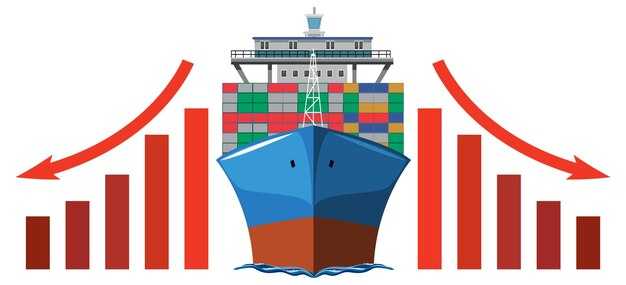
Cut on-hand days now: freight rates have risen again and you should lower safety stock targets by 10–15% to soften margin pressure. Transpacific spot tariffs have been seen up ~18% month-on-month, container price swings reached roughly $1,200 per FEU on key lanes, and truckload contracts climbed about $0.18 per mile – actions that immediately reduce carrying cost exposure for retailers and distributors.
Shift flows to ports with available capacity and secure short-term local storage to absorb restocking surges during the peak period. Data from carriers shows almost daily congestion spikes at two hub ports; moving 25–30% of volume to alternative terminals cuts average dwell time by 2–4 days and lowers demurrage risk, which directly improves on-shelf availability for shoppers.
Negotiate indexed contracts for the next 60–90 days and add a per-mile cap to long-haul lanes to contain volatility. Implement ≥30% more online order pickup options and stagger promotional cadence so that restocking demand spreads across the period rather than clustering; this reduces same-day surge volumes that trigger costly premium moves.
Adopt real-time dashboards and local partners for better visibility: integrate tools отслеживающих container locations, ETA deviations and truck dispatches, then route exceptions to a small escalation team. Provide retailers with clear lead-time windows and shoppers with precise pickup windows, which makes demand predictable and limits last-minute disruption.
Market Supply-Demand Signals Driving Q4 Rate Moves
Lock 60% of forecasted Q4 volumes into three-month contracts now to cap exposure as spot rates rise and price surges accelerate on core Asia‑USWC and trans‑Atlantic lanes.
Recent data show Los Angeles–Long Beach throughput rose ~11% YoY in October while average container dwell increased from 4 to 6 days; tender rejection rates climbed into the high 20s percent. California ports report capacity strain during peak weekly arrivals, and carriers have announced surcharges of $75–$200 per FEU that push landed costs higher almost immediately.
Actively allocate remaining volumes: keep 30–40% flexible because short windows of lower spot price could provide savings. Contracts arent bulletproof – include rolling price collars or weekly review points tied to a clear CPI or bunker index so you dont overpay when spot dips.
Demand threads are concentrated. E-commerce promotional calendars and automotive model launches have been tied to specific shipping windows; those concentrated surges have been the primary driver of rate spikes this quarter. Forecast weekly bookings against confirmed promo dates and prioritize slots for SKUs with the highest margin contribution.
| Lane | Spot change (MoM) | Contract delta | Recommended action | Surcharge |
|---|---|---|---|---|
| Asia → USWC | +18% | +6% | Fix 50–70% now; reroute to alternate ports | $100–$200 |
| Asia → USEC | +12% | +4% | Blend 40% contracts + 60% spot windows | $75–$150 |
| Inland (CA drayage) | +9% | +2% | Negotiate flat‑fee drayage contracts; add detention caps | $20–$60 |
Use the following tactical checklist: 1) Negotiate surcharge caps and clear pass‑through rules, 2) shift some volume to adjacent ports or inland gateways if strike risk or congestion spikes at california ports, 3) increase weekly cadence on booking threads and carrier notices so planners can click into alternatives within 48 hours.
Compare this quarter’s metrics against the last three years to quantify seasonal variance: measure percent change in throughput, tender rejections, and average time‑to‑dock. Do not копировать prior routing without that comparison; what worked in past years may have been altered by new carrier rotations or equipment imbalances.
Assign one person to provide a daily dashboard that includes spot index, contracted coverage, pending surcharges and inventory days of supply; that visibility lets teams react within 24–72 hours to surges and reduces costly expedited moves. Sales and operations should align forecasts during promotions so e-commerce and automotive shipments dont compete for the same vessel strings, because competing demand increases both rates and the likelihood of surcharges.
Spot vs contracted rates: which to prioritize this quarter?
Secure contracted capacity for core Q4 volumes: target 60–70% contracted on holiday-critical lanes and keep 30–40% in spot to maximize savings and tactical upside.
According to weekly indices, spot rates were up roughly 10–15% month-over-month on major ocean and air lanes while contracted rates climbed 3–6%; traditionally contracted rates lag spot gains, so expect fluctuations of that magnitude as demand and recovery progress in the economy.
A second tactic: negotiate shorter-term contracts (90–120 days) with indexed price collars and optional buy-ups; these clauses let you lock base capacity yet they let you capture occasional spot dips without penalty. Ask carriers for minimum-commitment windows that match factory production runs and stock replenishment cycles.
Shippers with limited stock or factories ramping production should favor higher contracted cover (70–80%) to avoid costly premium moves during holiday surges, while shippers with deep inventory and flexible delivery can work with 40–50% contracted and use spot to arbitrage ground and port congestion trends. Use daily booking cadence on volatile lanes and weekly rate checks on stable lanes.
Actionable checklist: quantify holiday peak by SKU and lane, secure contracted baseline for those SKUs, allocate a spot budget for several opportunistic buys, build flex clauses into contracts, and set a monitoring cadence so you know when they tilt from stable to tight. Reminder: these steps maximize service while limiting exposure when rates hit record highs or swing back during recovery.
Blank sailings and schedule reliability: predicting short-term capacity shocks
Act now: lock 30–60 days of contracted ocean capacity and raise safety stock by 15–25% for the next 8–12 weeks. That single move reduces the chance that a sudden string of blank sailings forces expensive air freight or cancelled promotions.
Data-driven signals already point to pressure: blank sailings reached roughly 7–9% of announced departures on major east–west trades in june, and schedule reliability slid to about 62% on those services – down from near 78% in the second quarter last year. Carriers report higher repositioning of equipment tied to volume surges in asia–europe strings, and ports where dwell times exceed 5 days show the largest delays. Those concrete numbers make it likely short-term capacity shocks will recur during peak restocking windows.
Actionable steps for shippers and retailers: monitor carrier blank-sailing notices daily; push carriers for roll-call lists 14 days before ETA; diversify bookings across at least two carriers and two ports per lane; shift 10–20% of critical e-commerce SKUs to air or express ocean with guaranteed space; and add a 7–10 day buffer to expected lead times. Retailers that apply these measures reduce stockouts for shoppers and protect promotional budgets.
Operational tactics that work well: use appointment-based pickup to speed truck turnaround, move fragile or high-margin cargo to prioritized service classes, and renegotiate short clauses that penalize last-minute rollovers. Train logistics teams and drivers on alternative gate procedures and document handling so reboards and reroutes cost less time. Do not копировать previous lane allocations blindly – tie decisions to weekly volume forecasts and confirmed carrier capacity, not historical share alone.
Commercial levers: buy a mix of spot and fixed-rate tonnage to cap exposure; allocate a small emergency budget (1–3% of monthly transport spend) for immediate air or premium ocean; and set KPIs that reward on-time delivery and inventory turns rather than load factor. Thats what makes your supply chain resilient to the next cluster of blank sailings.
Signal-based forecasting: combine port call disruptions, carrier void ratios, and order-book surges into a short-term index updated every 48 hours. When the index rises above trigger 0.6, execute pre-authorized rebooking and open the alternate-port plan. Use dashboards where planners can click to see which lanes are most related to current disruptions and which SKUs are tied to highest lost-sales risk.
Lessons for Q4: expect longer recovery times after consecutive blank sailings – recovery windows in recent incidents stretched 4–6 weeks – and assume demand surges from e-commerce promotions will be higher than baseline. Coordinate closely with procurement and marketing so restocking orders align with confirmed carrier capacity, create a united cross-functional response team, and keep shareholders and retail partners informed with weekly capacity reports.
Fuel price dynamics and applying bunker surcharges correctly
Set bunker surcharges as an index-linked, transparent line item and update them weekly using a published marine fuel index (cite Freightwaves or Platts) so customers see the exact math behind any change.
Use a simple formula for ocean FCL/LCL: Bunker Surcharge per TEU = (Pt – P0) × C × E, where Pt = current fuel price ($/MT), P0 = contract base price, C = fuel consumption per TEU per voyage (MT), E = operational efficiency factor (engine load, slow-steaming losses). Example: P0 = $500/MT, Pt = $650/MT → delta $150; C = 0.03 MT/TEU; E = 1.05 → surcharge = 150 × 0.03 × 1.05 = $4.73/TEU. Publish C and E assumptions for each service (short-sea, long-haul, feeder).
Apply a different approach to parcel and e-commerce shipments: tie bunker recovery to per-shipment bands because small packages absorb surcharges poorly. Recommended bands: delta $0–$25 → $0.10/package, $25–$75 → $0.35/package, >$75 → $0.75/package. Add a fragile/residential uplift (example +$0.30) for extra handling on last-mile ground moves and when carriers report lower density or more handling.
Reconcile fuel surcharges with multimodal legs together: calculate the ocean leg with the TEU formula and the ground leg with a per-tonne-km or flat last-mile charge, then aggregate to a single surcharge line so quotes bring clarity rather than surprise. Example route Warsaw → Rotterdam: long-haul ocean surcharge = $5/TEU, inland ground uplift = $1.50/TEU, combined surcharge = $6.50/TEU; for residential parcels, convert to per-package amounts.
Tie the base price P0 to contract signing or a published rolling average (90 days) to reduce weekly noise; trigger reviews if Pt deviates more than 10% or $50/MT from P0. During covid-19 demand swings many carriers used ad hoc adjustments–replace that with preset triggers so carriers and shippers can plan while market volatility drops.
Maintain auditability: store index snapshots, calculation inputs and timestamps and publish an online surcharge table on rate confirmations and customer portals. Integrate the surcharge feed into TMS/ERP so billing matches quotes and avoids disputes; reconcile monthly and refund if an index moves lower and your contract requires a symmetric adjustment.
Communicate operational exceptions: apply minimum and maximum caps (example floor $0.10/package, cap 6% of freight) to protect fragile margin and avoid passing micro-variations. For long-haul contracts where fuel is still tied to fuel hedges, apply a hedge-offset line that reduces the surcharge by realized hedge gains, and disclose this adjustment on invoices.
Monitor market signals from Freightwaves, commodity exchanges and spot bunker terminals; when spot drops longer than 14 days, announce a downward reset within billing cycle. While volatility can last longer in peak seasons, predictable, published mechanics bring trust and reduce disputes between carriers, forwarders and shippers.
Operational checklist: publish formula and C/E tables, choose index and cadence (weekly), set trigger bands and caps, separate ocean/ground components, add fragile/residential uplifts for packages and e-commerce deliveries, automate feed into online quoting and billing systems, and review quarterly with trading data.
Port congestion, dwell time and their immediate rate impacts
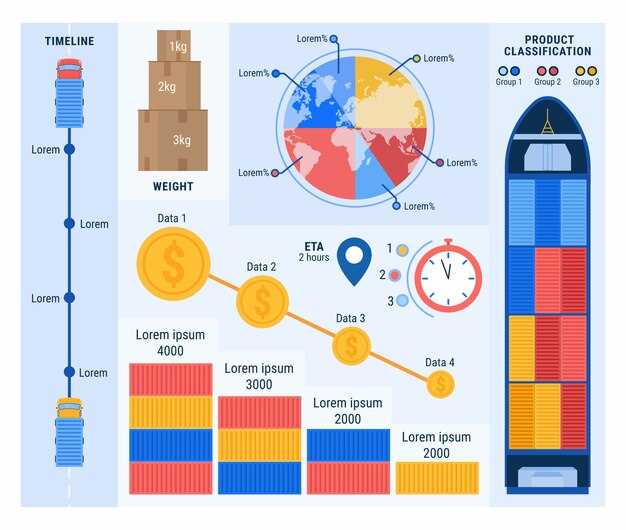
Reallocate 20% of daytime loading windows to night shifts today: this reduces average dwell time by about 1.5 days and limits immediate spot-rate pressure to single-digit increases.
Ports report berth occupancy near 85%, up from 68% earlier in the quarter, and container dwell averages climbed from 3.2 to 5.8 days since early October, causing spot rates to rise roughly 12% week-over-week. Congestion rises again at gateway terminals that run close to capacity, and longer truck turn times on the ground add another 0.8–1.2 days to total transit.
Seasonal import surges pushed inbound TEUs +30% and parcel volumes +18%, so carriers remain hesitant to offer discounts. Reprice base lanes in upcoming contracts, add demurrage caps and congestion-share rules, and include a short-notice adjustment in any contract you sign this quarter; those moves protect margins without locking you into inflated fixed fees.
Operational steps that work: shift slow-moving stock and priority SKUs into consolidated loads, maximize container fill to shave 10–15% of TEU demand, and move short-haul legs to ground haulage where transit time stays under 24 hours. Use a central channel (we tracked a customer posting updates to a facebook group) to alert carriers and brokers–alert them early and they respond faster. Miller Logistics shifted 40% of contested bookings to night loading and theyre reporting a 2-day reduction in dwell, avoiding an estimated 7% spot-rate spike.
Set tactical triggers and metrics: if dwell >5 days apply a $50/TEU/day surcharge and reroute eligible volumes to alternate ports within 100 km; if queue times exceed 12 hours at truck gates move non-priority shipments to 7–21 day backlogs. Monitor trends daily, update quoted premiums weekly, and adjust tendering frequency accordingly so your commercial team can respond quickly to the next congestion event.
Commercial and Contract Actions for Shippers and 3PLs
Negotiate minimum three-month rate collars with carriers to secure capacity and cap surcharges.
-
Use blended contract structures: commit a percentage of expected volume (example: 40%–60% of Q4 historical volume) for a fixed rate and reserve the rest for indexed spot purchases. This reduces exposure to sudden rate shifts while letting you buy advantage when the index drops.
-
Include a transparent index linkage clause: tie variable portions to a named market index, cap monthly adjustments at ±6%, and require carriers to publish the surcharge calculation weekly. The index showing a 4% month-on-month move should trigger review meetings.
-
Push for early-notice and rolling capacity windows: require ≥14 days’ notice for service changes or equipment reallocation and set penalties for late notifications that leave orders behind. That reduces operational surprises and protects your service levels.
-
Define explicit surcharge mechanics: accept fuel and peak-season surcharges only if reconciled to published carrier tables, limit ad hoc fees to a fixed dollar cap per TEU or kilogram, and demand line-item visibility on invoices.
-
Negotiate volume tiers with rebates: secure step-down pricing when quarterly volume exceeds targets (example: 5% rebate at +10% volume, 12% at +25%). For almost-complete quarters at target, include a pro-rata rebate to avoid cliff effects.
-
Build flexible termination and rollover terms: allow one 30-day unilateral extension per year and a short early-exit payment equal to two weeks’ transit cost if market conditions force a rapid shift.
-
Allocate risk across parties: require carriers and 3PLs to carry delay liability for local drayage and terminal congestion; make shippers absorb only documented customs or force majeure delays because carriers control equipment and berthing.
-
Coordinate with suppliers and customers: align purchase orders for restocking to flatten peaks that create outbound pressure. For agricultural exports, shift shipments earlier by 7–10 days to avoid seasonal surcharges and port congestion.
Operational steps for immediate implementation:
-
Run a 90-day scenario model showing cost impact at ±5% and ±10% rate moves; present results to contracting counterparties and ask for specific mitigations.
-
Lock daily monitoring of the agreed index and set automated alerts when moves exceed your threshold; share alerts with carriers, 3PLs and your operations team via Slack and a private Facebook group for terminal updates.
-
Start monthly performance reviews tied to KPIs: on-time pickups, invoice accuracy, surcharge disputes resolved within 30 days. Publish results across the united supply chain team and use them in renewal discussions.
-
Test alternative routing on 10% of non-critical shipments to validate secondary lanes and spot rates; if those lanes show a drop below contracted cost by >8%, trigger a reallocation clause.
Quick checklist you can use today:
-
Draft index-linked clauses with ±6% cap.
-
Set volume commitment at a realistic, measurable percentage of Q4 forecasts.
-
Limit ad hoc surcharges and require weekly publication.
-
Require 14-day operational notices and penalties for late changes.
-
Run a 90-day cost sensitivity and share results with partners.
These steps align commercial terms with operational controls, clearly reduce your exposure to market pressure and rate swings, and give 3PLs incentives to secure capacity rather than pass through unpredictable costs. Implement them now and revisit contracts before any expected restocking or export peaks to avoid being hit again by seasonal surcharges.