Az alkalmazás beszerzése


Szállítási és logisztikai szakíró
Alexander Petrunin Európa, az Egyesült Államok és a FÁK teherszállítási és logisztikai piacait fedi le – Portugália, Spanyolország és Franciaország országismertetőitől a határokon átnyúló tehergépjármű-szállításig és a fuvarozói engedélyezésig. Cikkei a feladók és a fuvarozók gyakorlati útmutatására összpontosítanak: útvonalak, árazási tényezők és szabályozás.

Pharmaceutical Logistics: How to Ensure Safety
Pharmaceutical logistics plays a critical role in ensuring that medicines and healthcare products reach consumers safely and efficiently. The transportation and storage of pharmaceuticals require strict regulations, precise temperature control, and robust security measures to maintain product integrity. Any failure in logistics management can compromise patient safety and lead to financial losses. This article explores best practices for ensuring safety in pharmaceutical logistics.

Logistics in the Automotive Industry: Challenges and Solutions
The automotive industry relies on a highly complex and interconnected supply chain. Efficient logistics are essential for ensuring the smooth flow of raw materials, components, and finished vehicles. However, the industry faces multiple challenges, including supply chain disruptions, fluctuating demand, and sustainability concerns. This article explores key challenges and solutions for optimizing logistics in the automotive sector.

Logistics in E-Commerce: How to Handle Returns
Efficient logistics is essential for the success of e-commerce businesses, particularly when managing product returns. High return rates, especially in sectors like fashion and electronics, require robust return logistics to maintain customer satisfaction and operational efficiency. A streamlined reverse logistics strategy helps businesses minimize costs, reduce waste, and improve overall supply chain efficiency. Key Challenges in E-Commerce Returns Logistics High Volume of Returns – E-commerce businesses experience significantly higher return rates compared to brick-and-mortar stores. Cost Management – Handling returns involves additional transportation, restocking, and processing costs.
Logistics in the Chemical Industry: Features and Requirements
Logistics in the chemical industry is one of the most complex and highly regulated sectors. The transportation, storage, and handling of chemicals require strict safety measures, compliance with environmental standards, and specialized equipment. Any mismanagement in logistics can lead to severe health risks, environmental hazards, and legal consequences. This article explores the key features, challenges, and best practices for ensuring the safe and efficient transportation of chemicals. Key Features of Chemical Industry Logistics Regulatory Compliance – Companies must adhere to national and international regulations, such as the ADR (European Agreement concerning the International

How to Choose the Right Logistics Strategy
Selecting the right logistics strategy is critical for any business aiming to optimize its supply chain and meet customer expectations efficiently. Logistics strategies define how goods are sourced, transported, stored, and delivered to end users. However, with the increasing complexity of global markets, fluctuating customer demands, and rising operational costs, businesses must carefully evaluate their logistics approach.

Trends in Packaging and Their Impact on Logistics
Packaging has always played a critical role in logistics, ensuring the safe transportation and storage of goods. However, in recent years, packaging trends have shifted significantly due to changing consumer demands, sustainability initiatives, and advancements in technology. These changes are reshaping how businesses approach logistics, impacting efficiency, costs, and environmental responsibility. This article explores the latest trends in packaging and how they influence the logistics landscape.

How to Manage Multichannel Logistics
Multichannel logistics is the backbone of modern supply chains, enabling businesses to deliver products through multiple sales channels, such as e-commerce platforms, retail stores, and direct-to-consumer (DTC) models. As customer expectations for speed and convenience rise, managing multichannel logistics effectively has become a critical aspect of operational success.

Logistics and Quality Management: How They Are Connected
In today’s competitive market, delivering high-quality products is not enough—businesses must ensure these products reach customers efficiently and in excellent condition. This is where logistics and quality management intersect. Effective logistics ensures the smooth movement of goods, while quality management guarantees the consistency and reliability of these goods throughout the supply chain. Together, these disciplines play a crucial role in enhancing customer satisfaction and operational success. Therefore, understanding their integration is vital for business growth and customer loyalty.

How Brexit Has Impacted Logistics in the UK
The United Kingdom's decision to leave the European Union, commonly known as Brexit, has reshaped the logistics landscape in profound ways. As businesses adapted to new regulations, customs procedures, and trade agreements, the logistics sector faced significant challenges. From increased paperwork to supply chain delays, Brexit has forced companies to rethink their logistics strategies. This article explores the key impacts of Brexit on UK logistics and how businesses can adapt to the new realities.
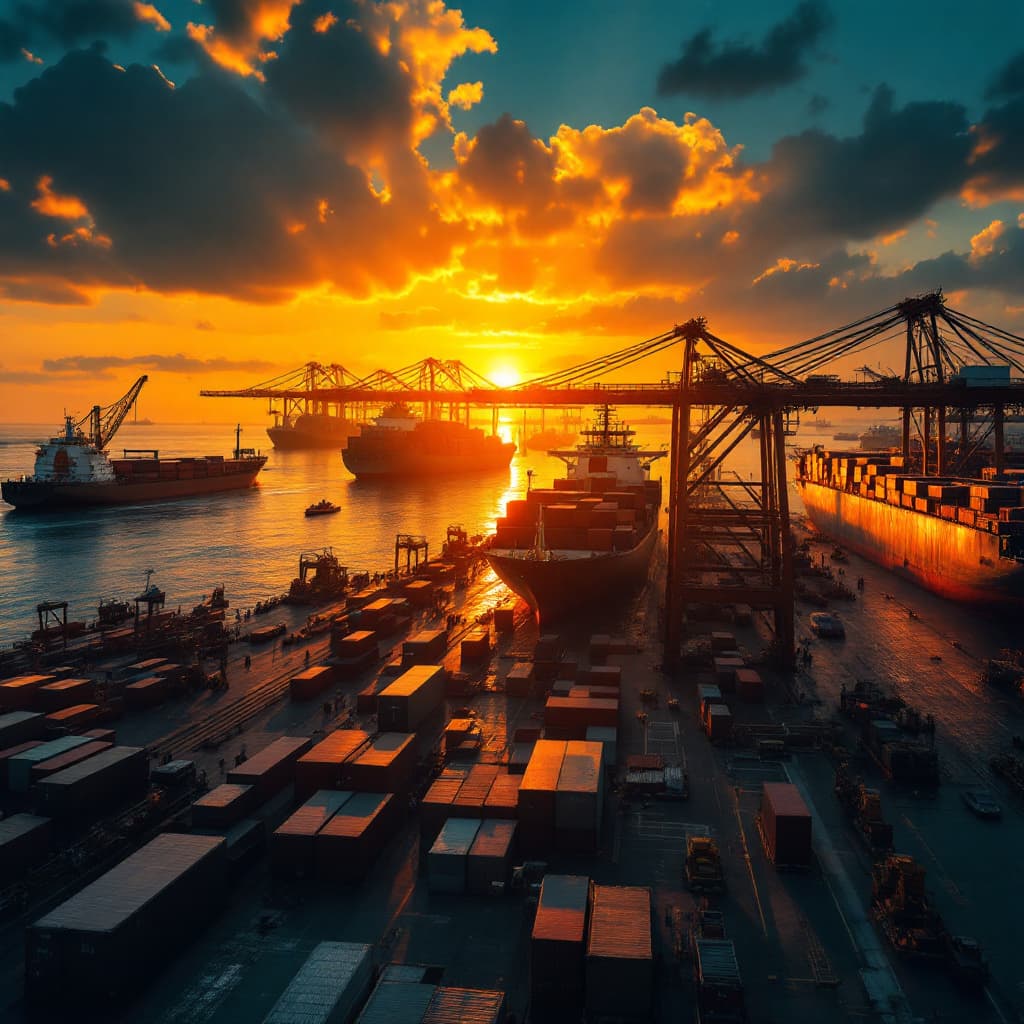
Logistics in China: Managing a Complex Supply Chain
China, as the world's largest exporter and a global manufacturing hub, has one of the most intricate and dynamic logistics networks. Managing supply chains in this vast country presents unique challenges and opportunities. From its extensive infrastructure and technological advancements to regulatory nuances and regional disparities, understanding how to navigate China's logistics landscape is critical for businesses seeking operational efficiency and global competitiveness. This article examines the complexities of logistics in China and provides strategies for effectively managing supply chains.

Logistics in Germany: Efficiency and Innovation
Germany is often hailed as the logistics hub of Europe, renowned for its highly efficient infrastructure, advanced technologies, and commitment to innovation. With its strategic location at the heart of Europe, Germany’s logistics sector plays a crucial role in facilitating trade within the continent and globally. This article explores the key factors that make Germany’s logistics system a global benchmark, as well as the innovations driving its continued success.
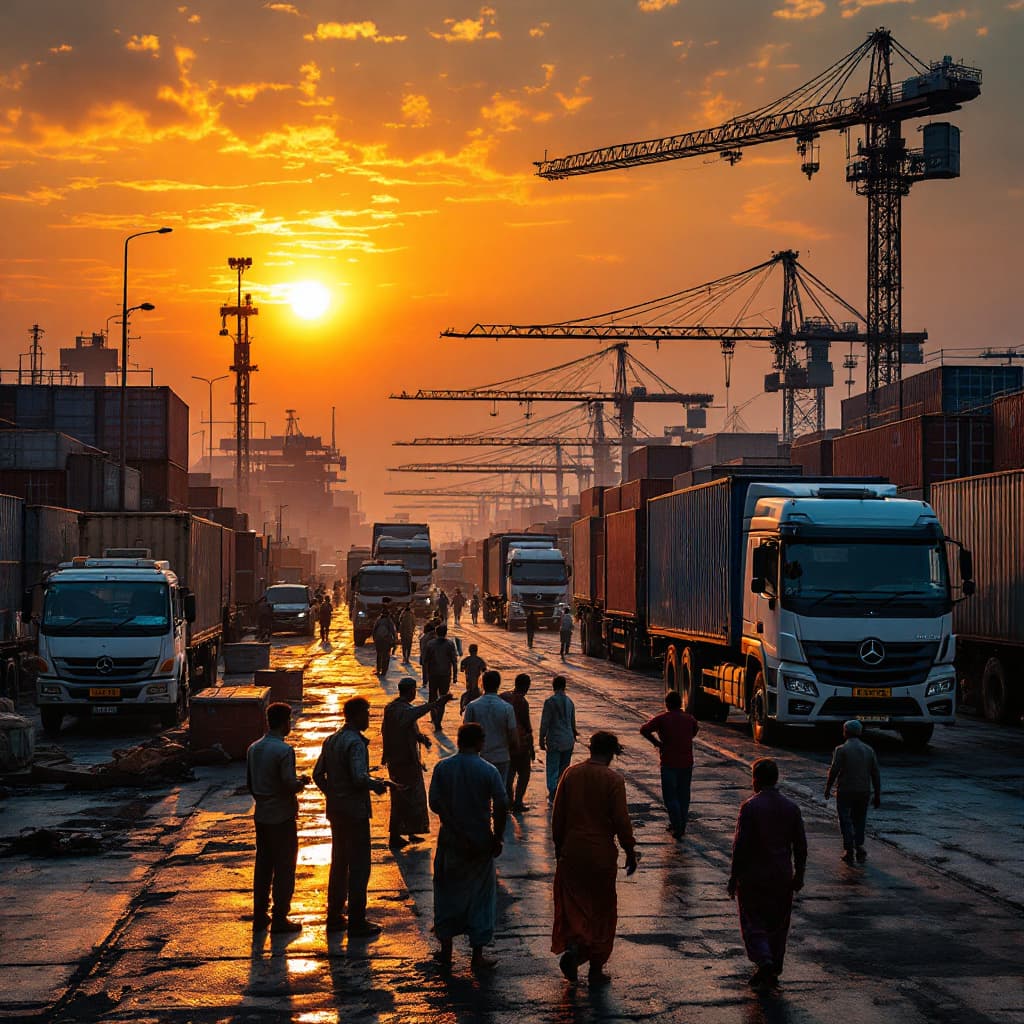
Logistics in India: How Transport Networks Are Evolving
India, one of the fastest-growing economies in the world, is witnessing a logistics revolution. With its vast geography and diverse terrains, the country’s transportation networks play a pivotal role in connecting rural and urban areas, facilitating trade, and supporting economic growth. Over the years, India has made significant strides in developing its logistics infrastructure. Moreover, it is integrating advanced technologies and addressing historical challenges. This article explores how India’s transport networks are evolving to meet modern demands.