Az alkalmazás beszerzése


Szállítási és logisztikai szakíró
Alexander Petrunin Európa, az Egyesült Államok és a FÁK teherszállítási és logisztikai piacait fedi le – Portugália, Spanyolország és Franciaország országismertetőitől a határokon átnyúló tehergépjármű-szállításig és a fuvarozói engedélyezésig. Cikkei a feladók és a fuvarozók gyakorlati útmutatására összpontosítanak: útvonalak, árazási tényezők és szabályozás.

Lisbon – Évora: An Important Route to the Alentejo Agricultural Region
The Lisbon – Évora route is a key transportation corridor connecting Portugal's capital with the historic and agricultural region of Alentejo. The distance between these two cities is approximately 130 kilometers , and a car journey takes about 1 hour and 30 minutes . This Lisbon – Évora route plays a significant role in the country's economy, facilitating the movement of goods, particularly agricultural products, and attracting tourists to the historic center of Évora. Description of the Cities Lisbon – A dynamic capital of Portugal that serves as the cultural, economic, and transportation hub of the country. The city boasts a well-developed infrastructure, including an international

Porto – Viseu: Distance by car
The Porto – Viseu: Distance route is one of the key directions in northern Portugal, connecting a major industrial and port hub with the inland regions of the country. The distance between these cities is approximately 120 kilometers , and a car journey takes around 1 hour and 20 minutes via major highways. This Porto – Viseu: Distance is critical for freight transportation , enabling the movement of goods between the Port of Leixões in Porto and the industrial areas of Viseu. Description of the Cities Porto – Portugal’s second-largest city and one of its most important economic centers. Porto is known for its industrial enterprises, wineries, and well-developed port infrastructure,

Lisbon – Leiria: Distance by Car
The Lisbon – Leiria: Distance is an essential freight transport route that connects Portugal’s capital with one of the country’s key industrial and construction hubs. Lisbon is a major economic center, while Leiria plays a crucial role in the production of construction materials, industrial goods, and furniture manufacturing. This article explores the logistics, transport characteristics, and best freight solutions for this corridor. Lisbon – Leiria: Distance by Car and Route The Lisbon – Leiria: Distance by Car is 145 km , primarily via the A1 highway . The driving time for freight transport is approximately 1.5 to 2 hours , depending on traffic and road conditions. Alternative routes: A8

Coimbra – Faro: Distance by Car
The Coimbra – Faro: Distance is a significant freight corridor connecting central Portugal with the southern Algarve region. Coimbra, known for its historical university and cultural influence, is a key economic and logistics hub in central Portugal. Faro, the capital of the Algarve, is a major tourist and commercial center, making this route vital for trade, construction, and consumer goods transportation. This article examines the logistics, transportation characteristics, and best freight solutions for this corridor. Coimbra – Faro: Distance by Car and Route The Coimbra – Faro: Distance by Car is 370 km , primarily via the A1 and A2 highways . The driving time for freight transport is

Porto – Aveiro: Distance by Car
The Porto – Aveiro: Distance is a key logistics corridor along Portugal’s Atlantic coast, connecting two major economic and industrial centers. Porto, Portugal’s second-largest city, is a significant hub for commerce and trade, home to one of the country’s busiest ports. Aveiro, located approximately 75 km south of Porto, is often referred to as the "Venice of Portugal" due to its network of canals. The city is a major center for logistics, seafood industries, and chemical production. This article explores the transportation characteristics, logistics operations, and best freight solutions along this route. Porto – Aveiro: Distance by Car and Route The Porto – Aveiro: Distance by Car is 75

Lisbon – Faro: Distance by Car and Transportation Features
The Lisbon – Faro: Distance is a crucial freight transport route connecting Portugal’s capital with the southern tourist region of the Algarve. Lisbon, a historic and economic hub, is known for its thriving business and cultural scene. Faro, the gateway to the Algarve, is a key destination for tourism and trade. This article explores the logistics, key transportation aspects, and optimal freight solutions for this corridor. Lisbon – Faro: Distance by Car and Route The Lisbon – Faro: Distance by Car is 278 km , with the primary route being the A2 highway . The driving time for freight transport is approximately 2.5 to 3 hours , depending on traffic conditions. Alternative routes: IC1 – a
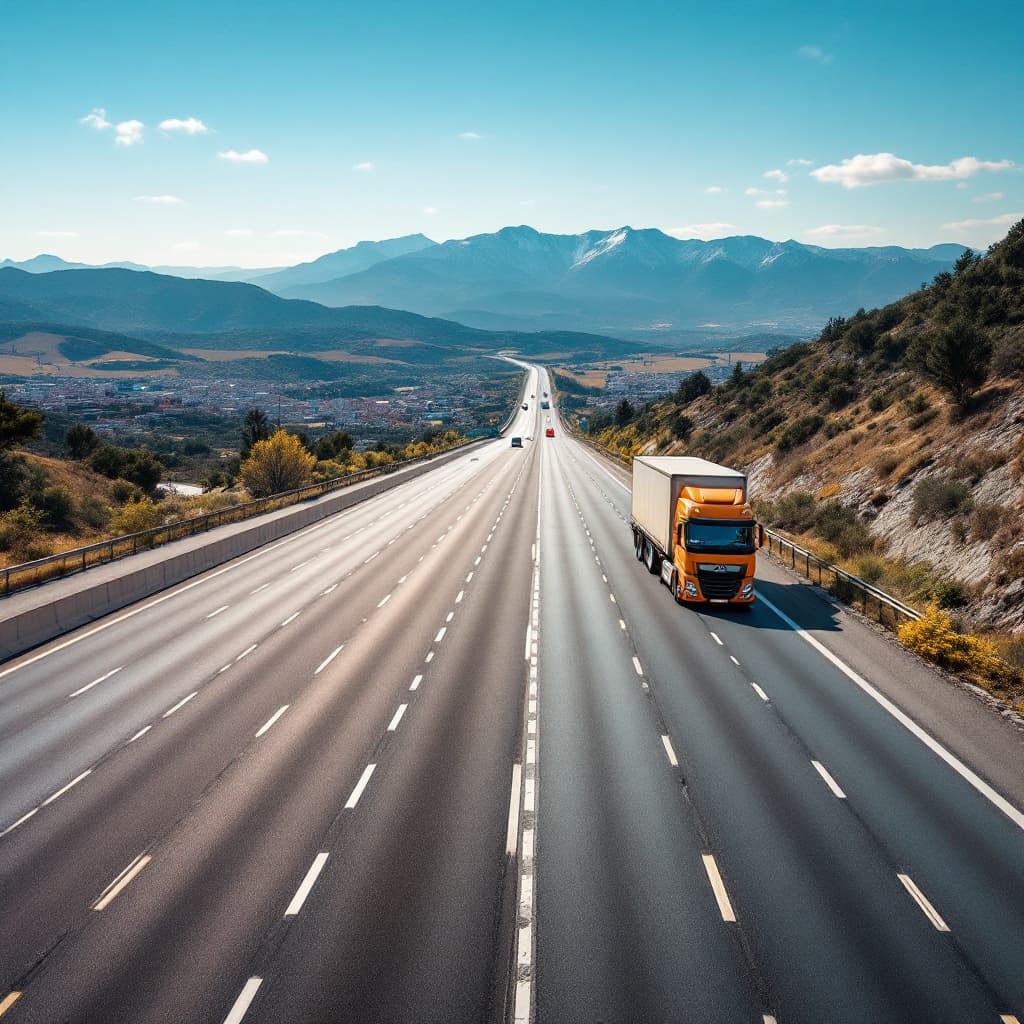
Porto – Guimarães: Distance by Car
The Porto – Guimarães: Distance is a critical industrial freight transport route in northern Portugal. Guimarães, known as the "birthplace of Portugal," is a significant hub for textiles, manufacturing, and automotive industries. This article explores the characteristics of cargo transportation, key logistics aspects, and the best transport options along this industrial corridor. Porto – Guimarães: Distance by Car and Route The Porto – Guimarães: Distance by Car is 55 km , with the primary route being the A7 highway . The driving time for freight transport is approximately 40-50 minutes , depending on traffic conditions. Alternative routes: A3 and A11 – an option for avoiding congestion
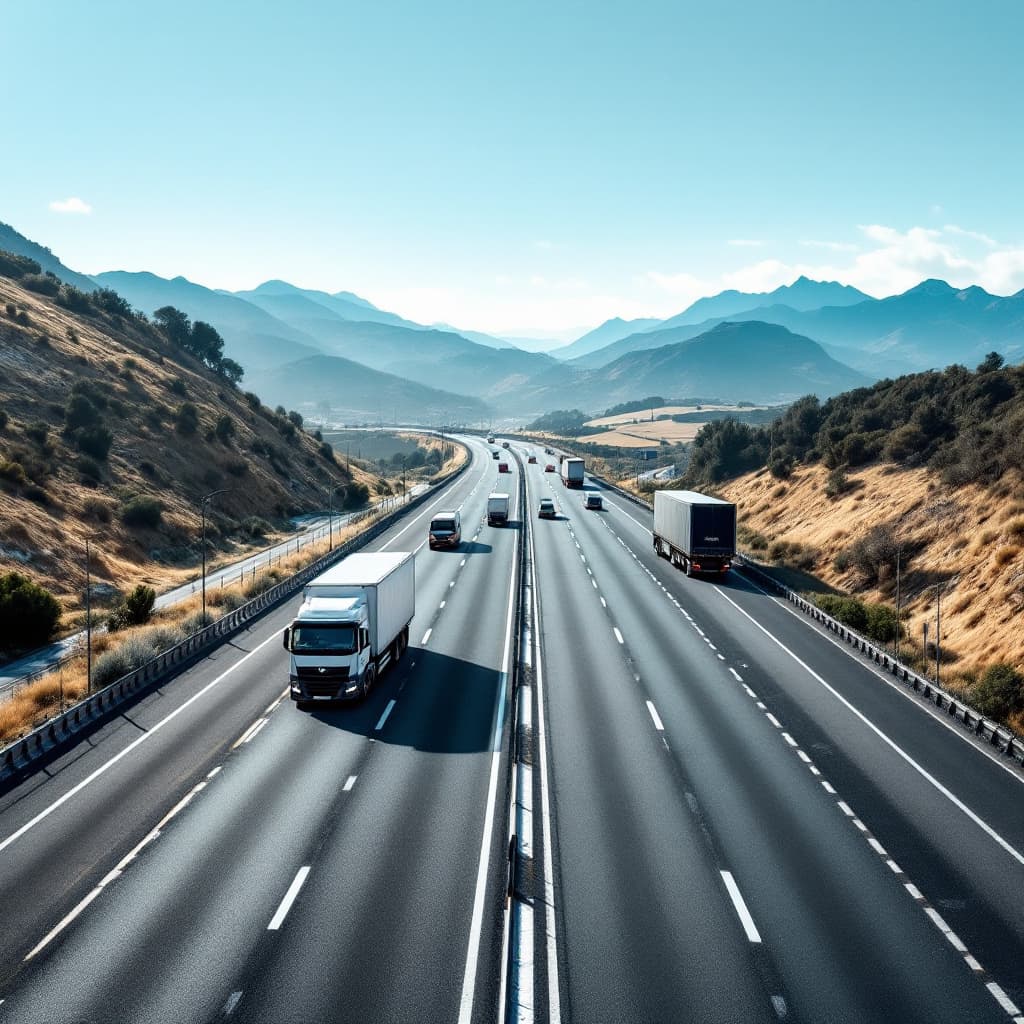
Lisbon – Braga: Distance by Car and Freight Transport Features
The Lisbon – Braga: Distance is one of the most important domestic freight transport routes in Portugal. Covering 365 km , this route plays a crucial role in connecting the capital, Lisbon, with Braga, a major economic and cultural center in the north. Efficient logistics along this corridor are vital for trade and industry. In this article, we will explore the characteristics of cargo transportation, the key logistics aspects of the Lisbon – Braga: Distance , and the best transport options for this route. Lisbon – Braga: Distance by Car and Route The Lisbon – Braga: Distance is 365 km, with the primary route being the A1 (Autoestrada do Norte) highway . The driving time for freight
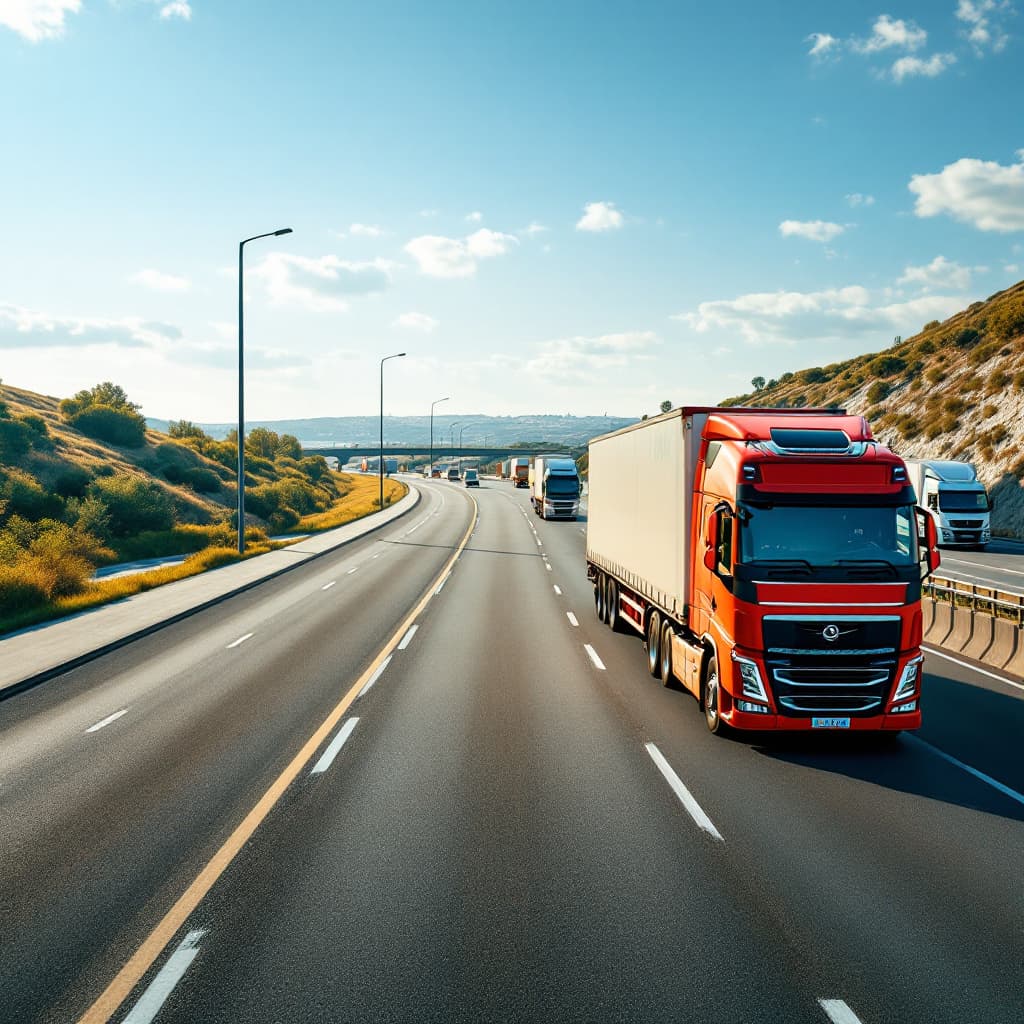
Lisbon – Coimbra: Distance and Freight Logistics
The Lisbon – Coimbra: Distance makes it a key freight corridor in Portugal. Spanning 200 kilometers , this route enables efficient cargo movement between two economic hubs. Truck transport takes about 2 hours , depending on road conditions and traffic. This logistics link supports trade and supply chains, connecting Lisbon’s commercial sector with Coimbra’s manufacturing activities. City Overview Lisbon is Portugal’s capital and economic hub, hosting major industries, trade centers, and logistics infrastructure. It serves as a gateway for domestic and international cargo distribution. Coimbra is a regional center in central Portugal, known for its industrial zones and commercial
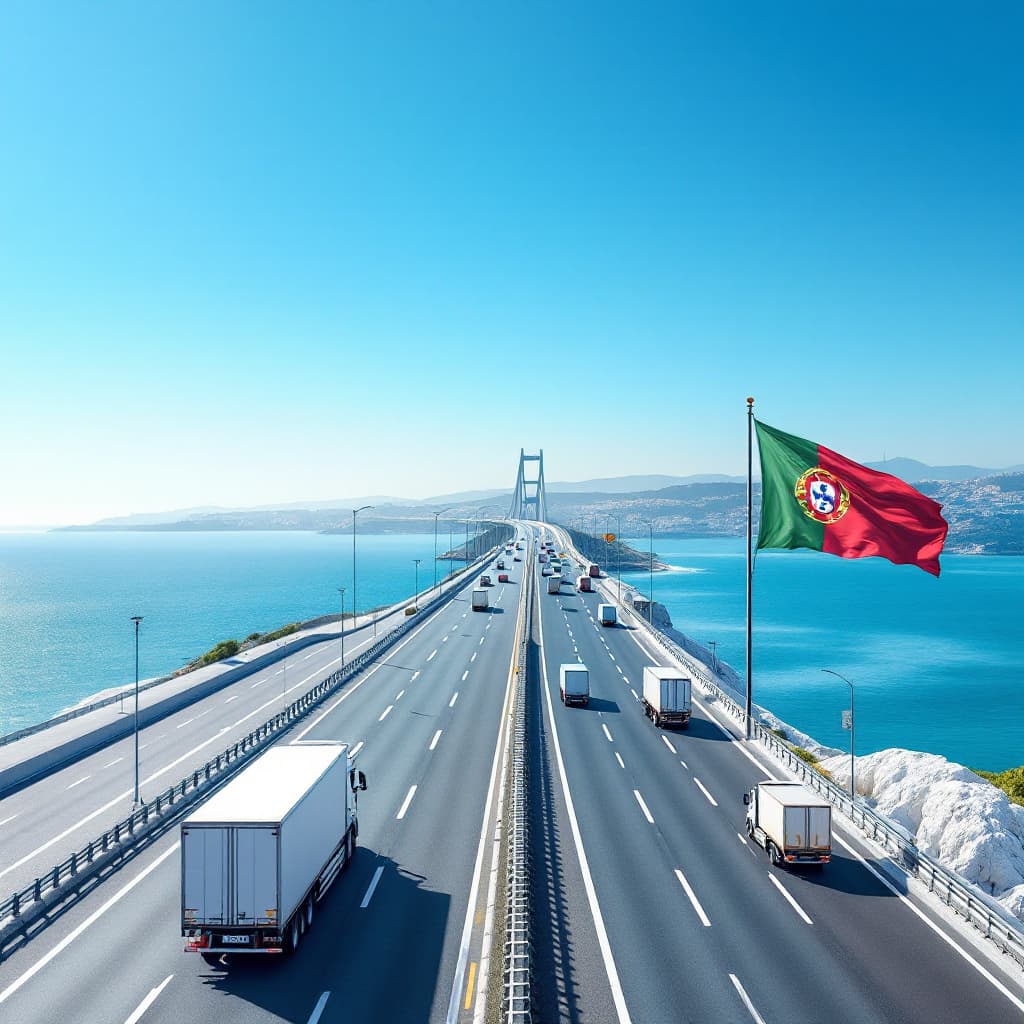
Lisbon – Setúbal: Distance by car and Freight Features
The Lisbon – Setúbal: Distance and its logistical significance make it a crucial transportation corridor in Portugal . The 50-kilometer route ensures quick and convenient travel. On average, the drive takes 40–45 minutes , depending on road conditions and traffic flow. As a vital logistics link, it connects the capital with a significant port and industrial hub in southern Portugal, supporting both passenger and cargo movement. City Overview Lisbon is the capital and largest city of Portugal, serving as its economic and cultural hub. It has a well-developed transport network, including an international airport, a seaport, rail connections, and modern highways, making it a key logistics
Lisbon – Porto: Distance
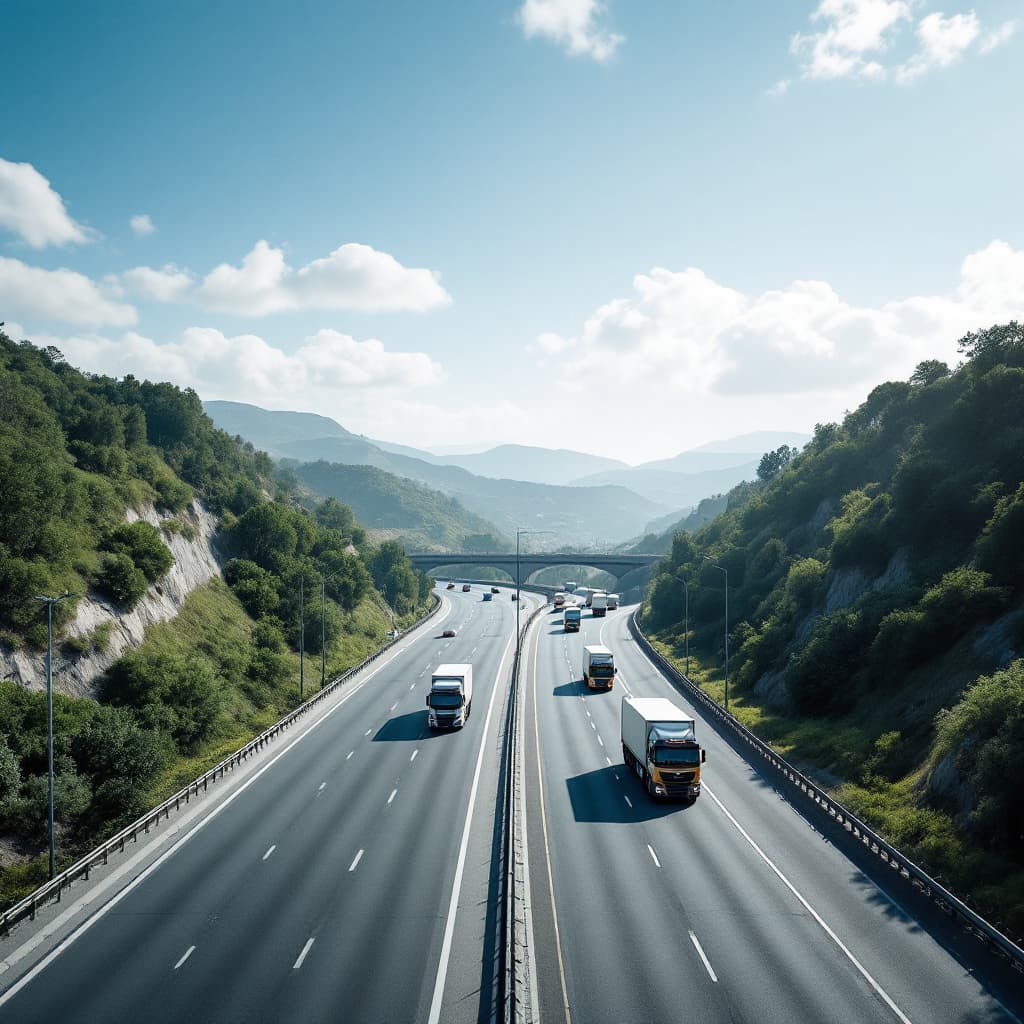
The Lisbon – Porto: Distance route is one of Portugal’s key transport corridors. Spanning about 313 kilometers, it connects the two largest cities and plays a vital role in logistics and the economy. Travel time typically ranges from 3 to 3.5 hours, depending on road conditions and traffic. This Lisbon – Porto corridor facilitates the transport of goods, passengers, and commercial cargo, linking the capital with the northern industrial hub. Brief Description of the Cities Lisbon : As the capital and largest city of Portugal, Lisbon is the country’s primary economic, cultural, and transport hub. It boasts a major seaport and an international airport, both essential for global logistics.

Customer Service: How to Ensure High Quality in Logistics
In today's world, logistics and customer service play a crucial role in meeting customer needs. Companies engaged in transportation and delivery face high competition and growing service quality demands. Effective logistics and high-quality customer service have become essential components of a successful business, as customer satisfaction largely depends on the speed and accuracy of delivery. The Role Logistics is not just about moving goods; it is a strategic tool for increasing customer loyalty. Delivering products on time and without damage strengthens a company's reputation and provides a competitive edge. Key factors influencing customer service quality include: Delivery speed –
