Az alkalmazás beszerzése


Szállítási és logisztikai szakíró
Alexander Petrunin Európa, az Egyesült Államok és a FÁK teherszállítási és logisztikai piacait fedi le – Portugália, Spanyolország és Franciaország országismertetőitől a határokon átnyúló tehergépjármű-szállításig és a fuvarozói engedélyezésig. Cikkei a feladók és a fuvarozók gyakorlati útmutatására összpontosítanak: útvonalak, árazási tényezők és szabályozás.

Rostov – Krasnodar: Distance
Rostov – Krasnodar: Distance is approximately 270 km by road. It is a key logistics link in southern Russia. This corridor plays a major role in supply chain efficiency. It enables the movement of goods between industrial centers, agricultural producers, and consumer markets. The average cargo transport time is about 3.5 to 4 hours , depending on weather and traffic. Reliable and cost-effective logistics along this route are vital for businesses in the region. Rostov – Krasnodar: Distance and Logistics Infrastructure The M-4 "Don" highway is the main route for cargo transport between Rostov and Krasnodar. As one of Russia’s key transport arteries, it has essential logistics infrastructure,

Tomsk – Novosibirsk: Distance
Tomsk and Novosibirsk are two major cities in Siberia, separated by approximately 259 km by road . This relatively short distance makes the route crucial for trade, business, and logistics. It enables efficient transportation of goods and people. The average travel time by car is about 2 hours and 44 minutes , depending on traffic and weather conditions. This connection between the cities supports various industries and strengthens the regional economy. Transportation Routes The main road linking Tomsk and Novosibirsk , Russia runs through Bolotnoye, Stantsionnoy-Oyashinsky, and Moshkovo . The P-255 "Siberia" highway serves as the primary route for personal and commercial transportation.

Novosibirsk – Samara: Distance
Novosibirsk and Samara are two major economic and industrial centers in Russia, separated by a distance of approximately 2,300 km by road. This route is crucial for transportation, logistics, and trade, connecting Siberia with the Volga region. Efficient freight movement along this corridor helps businesses manage costs and optimize delivery schedules. Key Transportation Routes Between Novosibirsk and Samara 1. Road Network The M-51 and M-5 highways are the main roads linking Novosibirsk and Samara. These federal highways provide a direct route for cargo trucks and passenger vehicles. While well-maintained, long-distance road transport along this route can be affected by weather conditions,

Ufa – Samara: Distance
Ufa and Samara are two significant cities in Russia, with a distance of approximately 460 km between them. This route serves as a vital link for commercial and industrial activities, impacting logistics, trade, and transportation efficiency. Efficient movement of goods between these cities helps businesses optimize delivery times and reduce costs. Key Transportation Routes Between Ufa and Samara Russia 1. Road Network The M-5 "Ural" highway is the primary road connecting Ufa and Samara. This federal highway is well-maintained, ensuring smooth transportation for both passenger and freight vehicles. It is a preferred route due to its directness and the presence of infrastructure supporting
Penza – Moscow: Distance
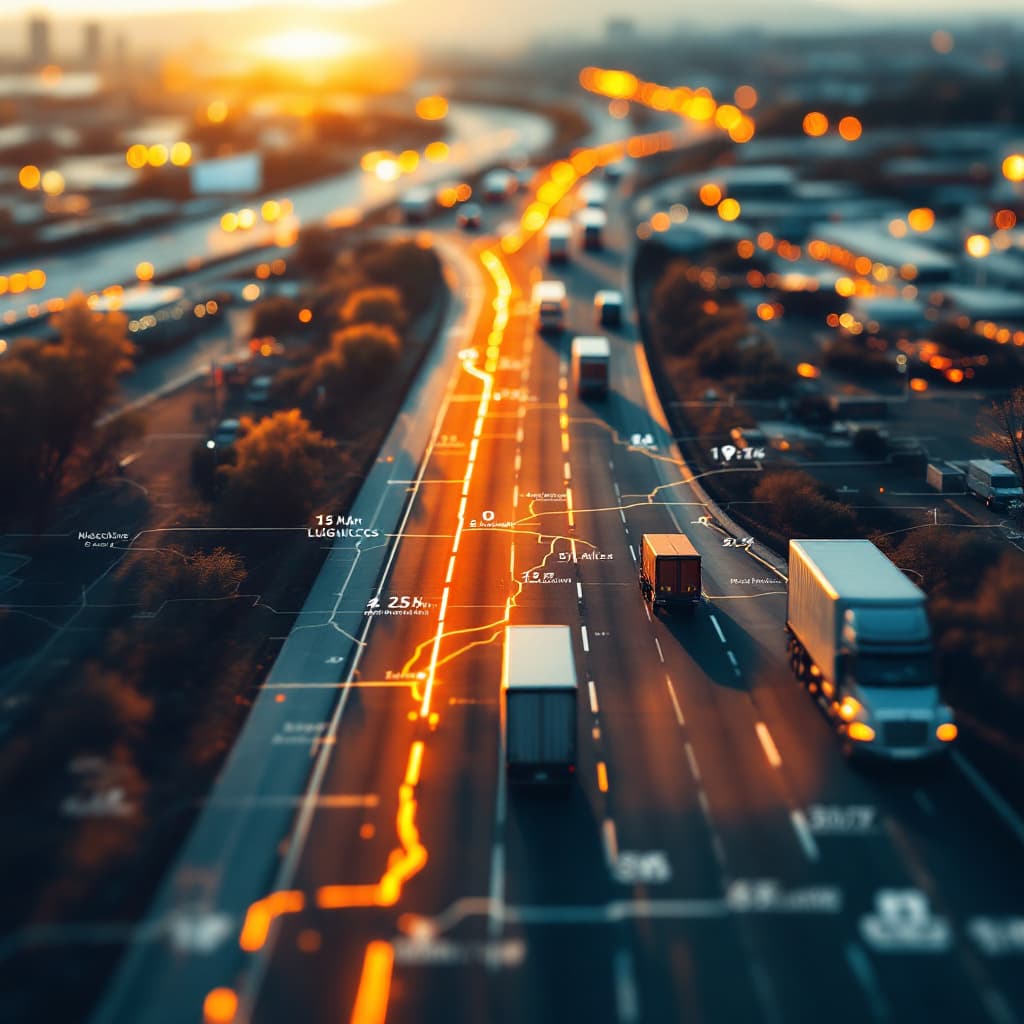
Penza – Moscow: Distance plays a key role in freight transportation, logistics planning, and economic connectivity. The two cities are major hubs in Russia, linked by a well-developed transport network. The Penza – Moscow: Distance is approximately 625 km by road. This route is vital for moving goods efficiently between regional and national centers. It supports trade, strengthens supply chains, and boosts economic growth. The Logistical Significance of Penza – Moscow: Distance 1. Main Transportation Routes The primary highway connecting these cities is M-5 "Ural" , a major federal road that ensures smooth transport. It has high-quality pavement, regular maintenance, and well-placed rest

Samara – Kazan: Distance
Samara – Kazan: Distance plays a crucial role in freight transportation, logistics planning, and economic connectivity. The two major cities in the Volga region are connected by a well-developed transportation network. The Samara – Kazan: Distance is approximately 350 km by road, making this route a key corridor for moving goods efficiently between industrial and commercial hubs. This connection supports trade, strengthens supply chains, and enhances regional economic development. The Logistical Significance of Samara – Kazan: Distance 1. Main Transportation Routes The primary highway facilitating transportation between these cities is M-7 "Volga" , a major federal road ensuring smooth and

Distance Calculation Between Cities in Logistics
In logistics, the calculation of distance between cities plays a crucial role in transportation planning , route optimization, and cost reduction. Accurate calculations enable the identification of the most efficient routes, shorten delivery times, and minimize fuel expenses. Methods of Distance Calculation There are several methods for calculating distance. Geographic distance, for instance, is used to estimate the straight line between points, but it is rarely applied in real-world logistics. Road distance takes into account the actual road network, speed limits, and traffic congestion. GPS, maps, and specialized logistics systems are actively used for this calculation. Travel time

How to Use Artificial Intelligence (AI) in Logistics
Artificial Intelligence (AI) is changing the logistics industry. It streamlines operations, cuts costs, and boosts efficiency. By integrating AI into logistics , companies can automate decisions, predict demand, and improve deliveries. Let’s look at how AI enhances logistics and supply chain management. 1. AI in Route Optimization AI systems optimize routes by analyzing real-time data. They consider traffic, weather, and historical trends to find the best delivery paths. Machine learning helps these algorithms adapt quickly, reducing fuel use and delivery times. Companies like Amazon and FedEx use AI to enhance last-mile delivery, ensuring goods arrive on time. 2. Warehouse Automation with

Internet of Things (IoT) in Logistics: How It Works
Modern logistics processes are complex and require speed and accuracy. The Internet of Things (IoT) enhances logistics efficiency by providing continuous monitoring and optimization throughout the supply chain. IoT consists of interconnected devices that transmit data in real time. In logistics, this includes IoT-enabled sensors, GPS trackers, RFID tags, and smart cameras. These tools help companies track the condition and location of goods, manage inventory, and optimize routes. Key Applications of IoT in Logistics Cargo and Transportation Tracking IoT allows companies to monitor the movement of goods in the supply chain. Sensors, GPS trackers, and RFID tags provide information about

Building a Transparent Supply Chain with Blockchain
In today's world, logistics faces many challenges. These include a lack of transparency, the risk of fraud, and the complexity of tracking goods at every stage of delivery. One effective solution to these problems is implementing blockchain technology in supply chain management. Blockchain creates a decentralized and secure accounting system that ensures complete transparency in the supply chain. 1. Principles of Blockchain Operation in Logistics Blockchain technology in supply chain management is a distributed ledger. Information is recorded in immutable entries. Each transaction is verified and stored in a chain of blocks. This process protects data from tampering. In logistics, all

Logistics and Technology: How They Are Interconnected
In today's business landscape, effective logistics is essential. It determines the speed, accuracy, and cost of product delivery. However, technology plays a crucial role in the evolution of logistics. Today, automation, digitalization, and innovative solutions make logistics processes more efficient and flexible. Let’s explore the key technologies that are transforming logistics. 1. Internet of Things (IoT) and Cargo Tracking The Internet of Things (IoT) enables companies to monitor the location and condition of cargo in real time. Sensors installed on vehicles and containers transmit data regarding temperature, humidity, and geolocation. This is particularly important for transporting

How to Choose a Logistics Operator: Business Tips
How to Choose a Reliable Logistics Provider: Essential Tips for Your Business Selecting the right logistics operator is crucial for your business. A dependable logistics provider can significantly impact your supply chain efficiency and customer satisfaction. In today’s fast-paced market, finding a trustworthy logistics partner is essential. Let’s explore the key points to consider when choosing a logistics operator. 1. Define Your Needs for Logistics Services First, understand what you need from logistics services. Analyze your cargo and delivery routes. Consider the type of products, shipment volumes, and geographical areas. Also, think about any additional services like temporary storage
