Szerző
James Miller a globális logisztika és az ellátási láncok dinamikájának szakértője. Kutatómunkája a nemzetközi kereskedelem bonyolultságát, az infrastrukturális kihívásokat és a modern kereskedelmet formáló technológiai fejlesztéseket vizsgálja. Fenntartható gyakorlatok és átláthatóság mellett érvel az ellátási láncok működésében.

How Pentagon’s New Nonlethal Technologies and Global Shipbuilding Moves Could Shape Maritime Logistics
Maritime borders have long been hotspots for illicit crossings, and with the rise of innovative smuggling tactics, the Pentagon’s Defense Innovation Unit (DIU) is turning heads by seeking off-the-shelf non-kinetic devices to stop smugglers in their tracks without heavy collateral.

South Korea and United States Work Together to Overcome Legal Barriers in Shipbuilding Partnerships
The collaboration between South Korea and the United States in shipbuilding is a promising development, yet it faces a significant hurdle due to existing legal limitations.

The US Coast Guard Commits $68 Million to Build Cargo Plane Hangars in Hawaii, Boosting Logistical Support
Securing and improving cargo plane infrastructure in Hawaii is a significant move by the US Coast Guard, with the recent award of a $68 million contract dedicated to constructing new hangars for cargo planes.

Why Poor Data Quality is Stalling AI Adoption in Freight Forwarding and What It Means for Logistics
The freight forwarding industry is buzzing with excitement about the potential of artificial intelligence to revolutionize operations within the next few years.

Nigeria’s Maritime Security Successes Clash with Ongoing War Risk Insurance Premium Burdens
Even after major strides in maritime security, Nigeria-bound vessels are still burdened with heavy war risk insurance (WRI) premiums, a situation that seems out of sync with reality.

How Chemicals and Automotive Freight Are Driving Rail Traffic Gains in 2025
Recent Shifts in U.S. Rail Freight Volumes U.S. rail freight has shown a mixed bag of results lately, with some commodity groups impressively leading the way while others have pulled back. For the week ending September 13, 2025, total rail freight throughput—combining carloads and intermodal units—reached 514,167. That’s a slight year-over-year dip of 1.6%, but it’s the bigger picture across the year-to-date period that paints a more positive story. Breaking Down the Weekly Numbers This weekly haul consisted of 231,237 carloads, slipping by a modest 0.5%, while intermodal units—that’s containers and trailers combined—saw a sharper 2.6% year-over-year decline, landing at 282,930 units. The

Outpost Boosts Its Truck Terminal Network to $1 Billion with AI-Driven Expansion
Outpost recently doubled the capacity of its national truck terminal network, reaching an impressive valuation of $1 billion.

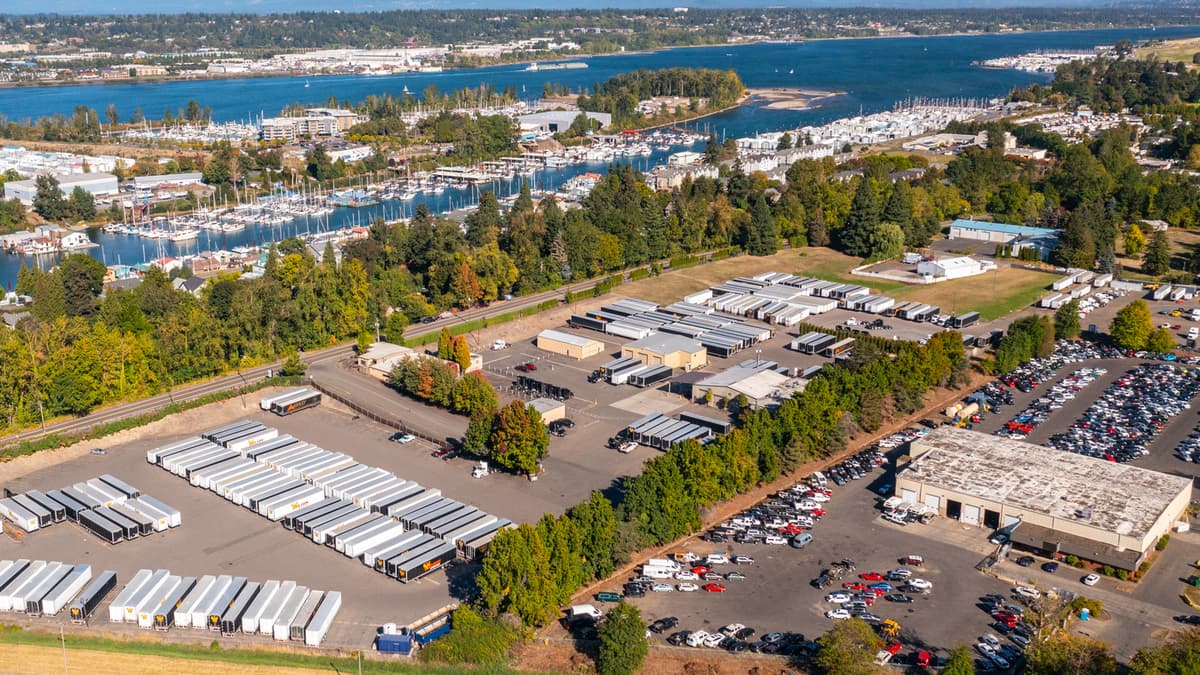
August Sees Sharper Decline in Freight Shipments with LTL Volume Dips and TL Growth
August witnessed a notable downturn in freight shipments, signaling a shift in the freight transport landscape.

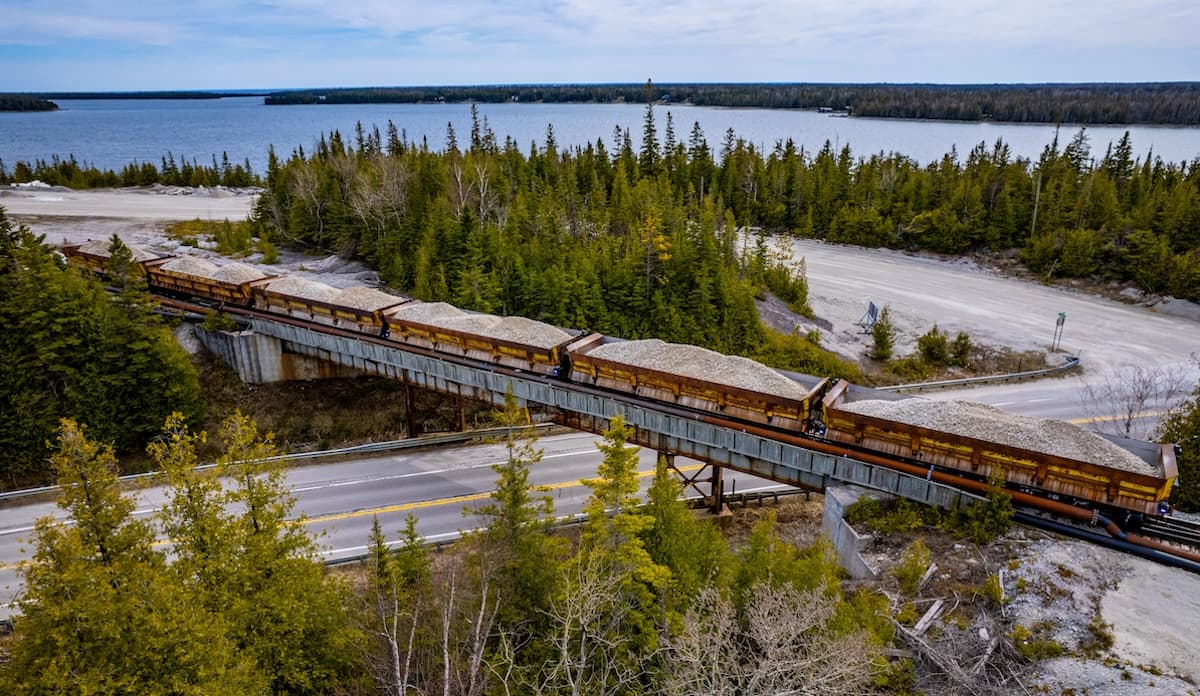
Watco Implements Intramotev’s Battery-Electric Autonomous Railcars at Illinois Terminal
Integration of cutting-edge technology is reshaping traditional rail freight operations, and the recent adoption of Intramotev’s TugVolt autonomous battery-electric railcars by Watco opens a new chapter in operational efficiency and sustainability.

Building Strong Broker-Carrier Partnerships: The Key to Thriving Freight Logistics
The relationship between brokers and carriers has traditionally felt like a battle of wits rather than a partnership.

South Dakota’s High Plains Processing Plant Enhances Biofuel Feedstock Supply and Transport Dynamics
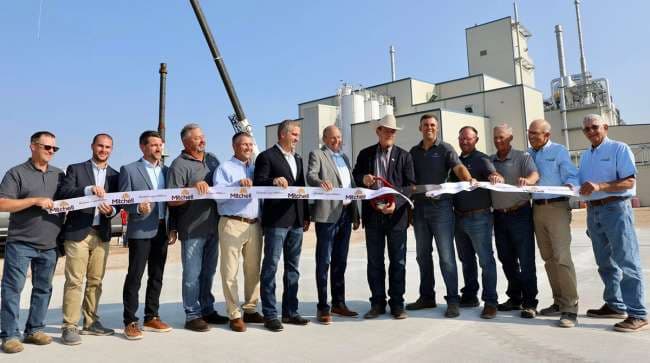
A significant stride for the biofuel industry unfolds in South Dakota with the inauguration of a $500 million soybean crushing plant.

A Tesla közeledik a biztonságosabb kilincs kialakítása felé az aktív NHTSA biztonsági vizsgálat közepette
A biztonság és a használhatóság vészhelyzetekben gyakran a legapróbb részleteken múlik, és a Tesla most egy ilyen elem, a járműajtó-kilincsek kialakításának javítására összpontosít.