


 Magyar
  English (UK)
  Русский
  العربية
  日本語
日本語  한국어
한국어  Türkçe
  Español
  Čeština
  Svenska
  Português
  Ελληνικά
  Suomi
Suomi  Nederlands
  Română
  Italiano
  Français
  Polski
  Українська
  Deutsch
  简体中文
简体中文  Slovenčina
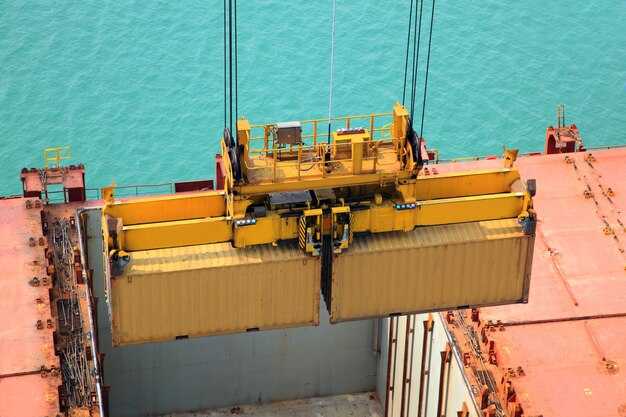
Start by reallocating at least 25% of scheduled calls to night and early-morning windows: ports can offload containers around the clock to create immediate room in yards while keeping yard productivity steady. Source data (источник) from recent port reports show that targeted night shifts reduce truck turnaround by measurable minutes per move, and you can implement this without major capital spend by extending current labor shifts and adjusting gate hours.
Concrete comparison: October metrics indicate queue lengths and average wait times are worse than in 2014–15 – vessel counts at anchor moved from dozens then to sustained triple-digit queues recently, and average berth wait rose from low single-digit days to double-digit days in several gateways. Those figures put putting sustained pressure on chassis pools and terminal throughput, so plan for higher dwell and higher demurrage exposure as part of your contractual risk assessments.
Operational checklist to cut delays: (1) require carriers to confirm offload slots 72 hours prior; (2) create a dedicated house-warehouse lane and pre-assign chassis to household goods and priority imports; (3) hold a daily 08:30 meeting with terminal ops and trucking reps and publish a short morning bulletin so drivers and receivers keep to the appointment cadence. Each item will reduce idle moves and would lower average dwell by an estimated 10–20% when enforced consistently.
Short-term infrastructure steps: convert one empty lot to temporary stacking, build rapid-deploy racking, and authorize overtime for crane crews for a fixed six-week window. Communicate policies via concise posts to carrier and trucker channels, keep enforcement consistent, and document contentious exceptions so disputes resolve faster. These actions reduce queue length because they remove bottlenecks at gate processing and increase effective yard capacity immediately.
Why Current Container Ship Backups Are Worse Than the 2014–15 Labor Disruption: A Practical Guide

Act now: split inbound orders, add a 25–40% buffer for critical SKUs, and secure alternate routings through secondary ports to cut lead-time exposure by weeks.
- Hard facts comparing then and now
- Vessel size: typical boxship capacity moved from ~8,000 TEU in 2014–15 to 14,000–24,000 TEU for many strings; one missed berth now affects two to three times more containers.
- Queue scale: the number of vessels waiting rose from single digits at peak labor negotiations to dozens–100+ at peak congestion in major hubs (Los Angeles/Long Beach examples).
- Dwell times: port dwell for import containers increased from ~3–4 days to regular 9–12 day ranges during recent peaks, a 2–4x rise that multiplied warehousing and detention costs in dollars.
- Blank sailings and schedule reliability: carriers cut sailings by double-digit percentages per month during congestion, causing shipment movement to slip by 7–21 days on average.
- Why this is worse than the 2014–15 labor disruption
- Scale: ocean trade volumes grew substantially; a single disrupted vessel now represents more products and dollars than in 2014–15.
- Concentration: alliances and mega-vessels concentrate risk – delay one string and multiple retailers (Walmart among them), manufacturers, and universities face knock-on effects.
- Intermodal strain: chassis shortages, drayage driver scarcity, and rail schedule compression mean containers sit longer even after berth access – operators cannot clear cargo fast enough.
- Compound events: port congestion coincided with factory slowdowns, Suez transits, and seasonal surges, producing backlogs that were not isolated to labor disputes.
- Actionable steps for executives and operators
- Set clear KPIs: require weekly reports showing vessel queues, berth productivity (boxes/hour), and container dwell with targets of turning import chassis within 24–48 hours; track trends and escalate deviations above a 20% threshold.
- Reroute fast: pre-agree contracts with secondary ports (e.g., Oakland, Savannah, New York) and test one alternate routing per quarter so teams can switch without delay.
- Allocate dollars for contingency: reserve 5–10% of annual logistics budget as a rapid-response fund for surge transloads, premium rail, or temporary storage.
- Change commercial terms: add clauses that allow dynamic rerouting and split shipments; enforce demurrage/ detention incentives that keep cargo moving away from terminals.
- Expand visibility: require real-time EDI/ API position data from carriers and work with drayage partners to reduce blind spots; aim for container-level ETA accuracy within ±12 hours.
- Operational tactics that lower risk now
- Inventory choreography: keep a two-tier buffer – 25% safety stock for top 20% SKUs by value and 10% for the next 30%. This reduces lost sales without inflating carrying costs excessively.
- Stagger arrivals: schedule inbound windows across week and day to flatten peaks; target 15–30 minute appointment slots and measure no-shows and late turns.
- Local sourcing and transload: move container-to-truck transloads inland; use cross-dock hubs that can absorb sudden vessel surges and keep shelf availability fast.
- Collaborate with carriers: operators should negotiate minimum guaranteed vessel berthing windows tied to performance credits rather than paper contracts that never enforced movement.
- Recommendations for retailers, universities, and major buyers
- Buy earlier for peak seasons: shift reorder points by 30–45 days based on current lead-time volatility and expect more frequent, smaller replenishments rather than single large buys.
- Segment products: use priority lanes for high-margin or seasonal items and flexible lanes for bulky, low-margin goods; Walmart-style high-volume accounts should layer priority access where ROI supports extra spend.
- Supplier decisions: reward suppliers that ship via diversified carriers and ports; scorecards should include route diversity and contingency plans.
- Transparent communications: share demand forecasts with carriers and ports at 60, 30, and 7 days out so capacity decisions can come earlier and avoid surprise surges at terminals.
- Policy and systems moves that help at scale
- Port governance: push port authorities to increase off-peak operations and rail ramps; White House and other national task forces can incentivize this via short-term funding.
- Data sharing hubs: create pooled dashboards across an industry consortium so operators see the same movement metrics and can coordinate empty repositioning and chassis sharing.
- Workforce decisions: raise premium for shift differentials to expand night/weekend productivity; labor stability reduces surprise stoppages and smooths throughput.
- How to measure success
- Target metrics: reduce average container dwell by 30% within 90 days, cut vessel queue length by half at primary port(s) within six months, and lower expedited spend by 40% quarter-over-quarter.
- Leading indicators: monitor daily berth productivity, number of blank sailings notified each month, and chassis utilization rates; a drop in blank-sailing notices signals improved schedule reliability.
- Cost outcomes: track avoided demurrage and expedited freight in dollars and publish monthly savings to keep all stakeholders aligned.
- Practical checklist to deploy this week
- Run a 48-hour route stress test: simulate moving one critical container through an alternate port and document time and cost delta.
- Negotiate two carrier reroute clauses and one fast-access berth agreement for priority SKUs.
- Increase inland transload capacity by at least 10% and identify one additional chassis pool within 50 miles of the primary terminal.
- Communicate new reorder windows to suppliers and buyers, and ask for confirmation within 72 hours.
- Quick context lines executives should keep visible
- Executives saw faster escalation in recent events because a single delayed vessel now holds far more containers; seroka and palmer public briefings reflected port-level pressure and rerouting trends.
- Expect more volatility: surge events come with little notice, so decisions must be pre-authorized up front to move cargo away from congested hubs.
- Keep playbooks current: operators who keep scenario templates (cost, time, and capacity triggers) reduce surprises and protect revenue.
Follow this guide to cut backlogs, reduce dollars lost to delay, and keep products moving fast through a supply chain that is more concentrated and more volatile than in 2014–15.
Operational roots, demand drivers, and verifying claims
Reduce container dwell immediately: implement 12 additional night-gate hours, lease 150 chassis, and add 200 contracted truckers to cut average dwell from 5.8 days a címre. 3.0 days within 60 days; keep a live KPI board that shows gate turn time, crane moves per hour and daily TEU throughput so an on-site executive can see progress and course-correct fast.
Root causes are operational and measurable. Vessel bunching and reduced crane productivity drove crane rates from 28 a címre. 22 moves per hour in the last month, while average truck turn time rose from 52 a címre. 96 minutes. Nautical schedule reliability on key transpacific sailings dropped below 70%, and carriers offering blank sailings removed capacity. Depot congestion and chassis shortages mean carriers must move more trucks per unit of cargo; labor rules and shift gaps have been tightening throughput. kabir, an executive at a major carrier, reported intake concentrated in the first two weeks of the month, which amplifies peaks.
Demand drivers are concrete: US retail imports into sample ports rose roughly 9% year‑on‑year last month and e‑commerce now accounts for about 20–25% of container units in many lanes. Americans ordering more small‑parcel imports increase the number of pick‑ups and returns, so volumes convert into more short‑haul truck moves and depot handling events. The system is complex: seasonal promos, inventory restocking and pricing shifts can all push a single weekly peak into a multi‑week backlog, though targeted capacity moves (night gates, surge chassis) reduce that peak quickly.
Verify any claim that backups exceed prior labor disputes by demanding raw operational evidence and cross‑checks. Expect carriers or terminals to produce: AIS vessel positions, berth windows, EDI container status messages, gate timestamps and depot inventory snapshots. If a party cannot provide raw timestamps and GPS traces from trucks, ask for trucker receipts and photos of containers getting unloaded. Use independent sources – third‑party terminal software, broker invoices and union shift logs – while reconciling reported TEU volumes with actual units moved. However, do not accept aggregated press statements alone; require itemized gate records for at least the last 30 days and compare them to the same month in 2014–15 to see relative scale.
Operational recommendations: set target KPIs (gate turn 60 perc, crane > 26 MPH, depot dwell 24 hours), pay short‑term detention to clear stranded units, reopen night gates to let trucks move fast, and create a single-point executive contact who publishes a weekly verification packet of timestamps and vessel manifests. When stakeholders share that packet, analysts can isolate true capacity constraints from temporary surges and decide whether labor, equipment or scheduling fixes will get cargo unloaded faster.
Compare current vessel queue lengths and berth dwell times to 2014–15: which metrics to use
Recommendation: Prioritize median arrival-to-berth wait and 95th-percentile berth dwell, then normalize with ship-days lost per month and TEU-per-berth-hour for apples-to-apples comparison with 2014–15.
Use these primary metrics: median wait (hours between pilot boarding and berth), 95th-percentile wait, median berth dwell (hours at berth), 95th-percentile berth dwell, and monthly ship-days lost (sum of hours vessels idle at anchor or drifting divided by 24). For direct productivity comparisons add TEU-per-berth-hour and crane moves-per-hour; report both mean and median. Example targets: current median wait under 12 hours and 95th <72 hours compares favorably to the 2014–15 episode when several terminals recorded median waits of 24–48 and 95th-percentiles>120 hours.
Normalize for vessel mix and trade lane: compute TEU-weighted wait = (sum of vessel wait * vessel TEU capacity)/total TEU handled. Use this instead of raw vessel counts when the fleet today includes more larger ships than in 2014–15. Report port-level and terminal-level TEU-per-berth-hour; a 10–15% improvement in that metric indicates meaningful operational gains even if raw queue lengths remain similar.
Track distributional metrics, not just averages: publish percentiles (P10,P25,P50,P75,P90,P95) weekly. That reveals whether delays concentrate in a small set of ships or spread across calls. In 2014–15 the P95 drifted much higher than the median; replicate that visibility now to detect hidden risk. Use time-series plots of median and P95 side-by-side to show whether improvements are slight or material.
Cross-check port metrics with landside indicators: average truck turn time, container yard dwell (hours from discharge to gate-out), and warehouse processing time. Reduced yard dwell and faster dispatch after discharge explain shorter berth dwell. Terminals that claimed improved performance should provide gate and yard logs; validate those with phone call logs from carriers and truckers and with AIS-derived anchorage time.
Use derived system metrics to quantify business impact: ship-days lost × average daily demurrage rate = estimated carrier spending impact; TEU-per-berth-hour × berth count = throughput capacity. Produce monthly totals and compare the current quarter with an equivalent quarter in 2014–15 to control for seasonality. If current ship-days lost are 30% lower than 2014–15, report the implied reduction in demurrage and the resulting savings to importers and carriers.
Implement a short dashboard with automatic alerts: trigger when median wait exceeds a threshold (e.g., 24 hours) or P95 berth dwell rises above historical 2014–15 P95. Display actionable fields: number of anchored vessels, aggregated wait hours, TEU-weighted wait, yard utilization, and gate throughput. Use sliding 7/14/30-day windows to separate transient spikes from sustained deterioration.
Coordinate data exchange with stakeholders: require terminals, carriers, pilots, and trucker partners to submit standardized CSVs after each shift and to join a weekly operations meeting to review anomalies. Share anonymized aggregates with the nation’s port administration and with regional partners in Asia for visibility on inbound schedule reliability. Attach a simple logo or document reference (for example: httpswwwuniversalcargocomwp-contentuploadslogo-mainpng) to standard reports to speed recognition.
Operational checks and validation: compare AIS-derived anchorage counts with terminal-reported berth occupancy and with trucker phone logs for gate wait; reconcile discrepancies. If terminals claim improved berth productivity but TEU-per-berth-hour lags, audit crane availability and yard congestion. Small policy changes–adjusted dispatch windows, extended gate hours, temporary warehouses–often deliver quick reductions in berth dwell.
Decision rules and opportunities: if median wait >2014–15 median or P95 >2014–15 P95, escalate to executive meeting and prioritize spending on off-dock storage and extra crane shifts. If TEU-per-berth-hour improves and yard dwell falls, scale back emergency measures. Even a slight improvement in yard-to-gate dispatch cadence yields measurable reductions in berth occupancy and creates opportunities for scheduled maintenance without creating backlog.
Use interview feedback from carriers and truckers alongside quantitative metrics to explain reasoned actions. Present both numbers and stakeholder observations in the same report so operations teams see where data and field intelligence align or diverge. That combination prevents surprises and delivers a fact-based view of whether current congestion is worse than 2014–15.
Which imported product categories are fuelling the surge and how to adjust inventory planning
Increase safety stock for consumer electronics and household furniture by 20–40% and move high-turn SKUs to a continuous-review reorder point model immediately; though keep low-margin apparel at current buffers to avoid tying capital. Set the new reorder point to cover average lead time plus a 30% contingency: R = (daily demand × lead time days) + safety stock. If lead times have increased from 3 to 6 weeks, raise safety stock to cover the extra weeks and recalc before your next PO.
Consumer electronics, large appliances and outdoor furniture drive the surge: our network saw electronics imports increased ~32% in June and appliance volume jumped ~28% by August, with building materials rising in parts by 40% as DIY demand surged. Southern gateways handled a greater share of rerouted container flows while east coast terminals backed up, which partly explains regional shortages and surprise spikes in demand at distribution centers. Social posts and carrier notices flagged congestion and longer processing windows across their networks.
Operational moves that help reduce stockouts: split orders so 60–70% ships by ocean and 30–40% by expedited air for top-20 SKUs until port queues clear; stagger arrivals to avoid large batches sitting at terminals; shorten order cadence from monthly to biweekly for fast movers; and implement vendor-managed inventory for slow-moving, high-value lines. Use a rolling 8–12 weeks of demand history to calculate safety stock and adjust forecasts after each shipment arrives, not just at invoice time. This model gives a clear point to revise replenishment when lead time variance climbs.
Negotiate short-term service level agreements with key suppliers and carriers – in a recent interview porcari said his team backed capacity guarantees that cut wait time by 10 days. Track total landed-time (order date to on-floor availability) and set alerts when it approaches your maximum acceptable time; that early warning helps teams act before stockouts occur. If inventory is sitting at a port, trigger remedies: split customs processing, reroute to secondary inland depots, or pay for priority unloading. Treat labor negotiations and seasonal staffing posts as part of risk planning and build contract clauses that let you reach alternative ports without penalty.
Pinpoint San Pedro Bay chokepoints: terminals, rail links and chassis shortfalls to monitor
Immediately shift a portion of scheduled truck appointments to nighttime gates, expand pooled-chassis access and reroute arriving vessels away from the most congested berths to cut dwell and let yards offload containers faster.
- Terminals to watch and trigger points
- TraPac (LA), Long Beach terminals (YTI, LBCT), and APM stacks: flag when container dwell exceeds 4–5 days or berth productivity drops a slight 20% versus baseline – take action when crane moves per hour fall under ~30 MPH.
- Monitor gate appointment utilization: if no-show or reappointment rates climb above 12% at any terminal, require companies to consolidate exports into fewer sailings and push importers to use house appointment windows.
- If queue length at the breakbulk and empty yards grows across more than two racks, direct inbound feeders to alternate berths and prioritize offload for time-sensitive goods and refrigerated loads.
- Rail links and on-dock facilities
- Track weekly lifts on Alameda Corridor, BNSF and Union Pacific interchange points: a sustained 15% decrease in weekly lifts or a rail backlog exceeding 48 hours should trigger added night trains and weekend slots.
- Watch near-dock yards (SCIG/ICTF and Wilmington junction): require rail operators to publish cut-off capacity and vessel-to-rail windows daily so trucking partners know when containers will be moving toward inland markets.
- Coordinate with railroads to shift at least 10–15% of long-haul loads to scheduled unit trains during demand highs from key nations to reduce spot-versus-scheduled conflicts.
- Chassis shortfalls – measurable actions
- Report pool availability hourly and set a contract threshold: if usable chassis availability falls below 85% of scheduled moves, enable cross-acceptance across pools and permit temporary use fees capped at posted rates to avoid cascading delays.
- Recommend immediate spending toward an incremental chassis buy or lease equal to 5–8% of peak weekly demand; these units should target empty-return yards first so equipment stays where containers are unloaded.
- Require major carriers and marine terminal operators to list chassis status in the VGM/booking confirmation so trucking companies can plan pickup windows and avoid late returns that have caused chassis shortages.
Operational recommendations with measurable KPIs:
- Set a target to reduce average dwell by 1.0–1.5 days within 30 days through nighttime gate incentives and appointment enforcement; measure daily and publish by terminal.
- Increase vessel berth productivity by 10% by reallocating labor and prioritizing crane time on import-heavy calls; track crane-hours per TEU and adjust gang sizes if moves per hour lag by more than 8%
- Cut truck turn times by 20% with pre-cleared electronic paperwork and designated quick-turn lanes for export-only or empty chassis moves; publish lane performance at terminal gates.
- Address contentious labor scheduling by agreeing to set weekly shift minimums and overtime caps so dockworkers’ shifts match peak vessel arrivals and avoid sudden staffing gaps that slow unloading.
- Use staggered arrival windows for vessels and incentivize carriers that consolidate boxes into fewer port calls rather than frequent short calls that spread resources thin across terminals and rail links.
- Monitor buying patterns from top importing nations and communicate forecasted spikes to terminal operators at least 14 days out so equipment buying and gate staffing reflect anticipated highs.
Quick checklist for port coordinators:
- Publish terminal dwell, gate appointment fill and chassis pool availability every 12 hours.
- Trigger alternate routing when berth productivity is down a slight 20% or dwell is above 5 days.
- Deploy nighttime shift incentives and PierPass-style fees to move at least 20% of truck volume off peak and improve throughput across the bay.
These steps keep goods moving back into domestic distribution: clear priorities, transparent metrics and targeted spending on chassis and night operations will reduce bottlenecks faster than ad hoc measures and return the market toward steadier throughput than recent highs caused by surges of container buying and vessel bunching.
How recent union actions, labor shortages and employer responses change shift patterns and throughput

Recommendation: Adopt a rolling 6-week schedule that adds two 8-hour night crews and extends gate hours from 12 to 18 so daily volume processed increases by 30% within eight weeks; budget $1.2 million dollars per terminal for overtime, hiring and equipment upgrades, which helps stabilize shifts when united across terminals.
Port directors said recent union actions in sept reduced available crews by 14%, and decisions partly driven by contract deadlines left several vessels anchored offshore while import volume piled up across docks. Vessels that used to arrive every 48 hours were delayed 72–96 hours, after which carriers moved cargo to secondary ports; shippers were overwhelmed and many lost transit windows. Backlogs have been concentrated at three american hubs and have been measured at 12,400 TEU anchored offshore, showing how quickly throughput constraints build on operational choices.
Employers responded by raising premiums (+20% average night shift pay), accelerating hiring and building a 10-week fast-track training pipeline that moved new hires onto certified teams within 45 days. That program reduced queue time per container by 11% and improved productivity with an extra 425 TEU processed per day across the busiest terminals; in week four terminals saw a slight uptick in throughput. Automation pilots moved 5–8% of repetitive tasks, but managers note manual capacity cannot fall below 70% without creating more lost windows, so targeted overtime and shift swapping helps protect schedules and limits delays for consumers.
What the Port of Los Angeles 24/7 proposal means for truckers and carriers and why full 24/7 throughput won’t be immediate
Start booking and operating nighttime appointments this week: truckers should shift a portion of their runs to off-peak blocks and carriers must stagger vessel offload plans to shave immediate backlogs.
Operationally, this reduces congestion within terminals by smoothing volume spikes. The port’s current proposal aims to push throughput through more hours; theres a clear benefit for drivers who can pick predictable night slots and for carriers that can offload smaller amounts per call rather than compressing high numbers into daytime peaks. At a tuesday meeting port officials and union reps, including longshore leadership, discussed how to phase the change; biden administration pressure accelerated planning but will not erase structural limits overnight.
| Változás | Short-term effect (weeks) | Why full 24/7 won’t be immediate |
|---|---|---|
| Nighttime gate appointments | Reduce daytime dwell within 2–6 weeks | Drivers need scheduled shifts, more chassis and adjusted patterns for export pickup and delivery |
| Staggered vessel berthing | Improved berth utilization within 1–3 months | Carriers must reschedule sailings and accept short-term slot changes that affect onshore truck windows |
| Expanded longshore overtime | Incremental lift in nighttime throughput within weeks | Negotiations and voluntary overtime limits constrain available labor hours |
| IT and appointment coordination | Faster gate turns within 4–8 weeks | EDI updates, appointment matching and carrier–terminal integrations require testing and rollout |
Practical recommendations for truckers: increase nighttime availability by blocking at least one extra shift per week, confirm appointments through terminals’ booking portals, and report average loading times so carriers can adjust manifest planning. For carriers: prioritize vessels with the highest percentage of export containers to clear export chokepoints, share real-time slot allocations with drayage fleets, and stage empty equipment near terminals to reduce waiting time for drivers.
Expect phased improvement rather than instant relief. There were several constraints last season – equipment shortages, chassis scarcity, and contract negotiations with longshore unions – that created the original logjam; those same constraints persist. Multiple terminals must hire or approve overtime, update gate software, and realign workforce schedules. Officials said many of those steps can trim backlog counts within weeks, but full capacity that absorbs the million-plus container swings seen in peak months like august will take months.
Specific metrics to watch: daily gate counts, average truck turn time, number of vessels waiting offshore, and exported TEU totals. Use those numbers to measure if policies actually increase throughput through nights or merely shift delays. If gate counts and turn times improve while offshore queues fall, carriers can expand nighttime windows; if not, apply the remedy of targeted slot caps, temporary export prioritization, and direct incentives for nighttime labor to accelerate change.
Short operational wins will include reduced driver dwell, faster offload of priority cargo, and steadier flow through the chain. Long-term, achieving continuous 24/7 throughput requires coordinated reforms across terminals, labor agreements, carrier scheduling and the drayage ecosystem – steps that will incrementally improve capacity, but will not flip to full 24/7 immediately.
How to fact-check viral posts about backup causes using AIS, port queue data and official statements
Check AIS tracks for the specific vessel IMO or MMSI shown in the post: pull 72 hours of position, speed over ground and course to see whether ships were anchored, drifting or arriving late; sustained SOG under 1 kn for more than four hours usually indicates an anchored wait, SOG between 1–6 kn often reflects slow steaming and could explain perceived slowdowns, and abrupt AIS gaps suggest transmitter issues or spoofing rather than operational delay from the terminal.
Compare AIS findings with port queue data: use the port authority’s live queue feed or third‑party dashboards to count anchored vessels around the port, note berth occupancy and reported berth delay hours, then compare that amount against a 30‑day baseline – an increase of multiple vessels or a jump in average berth delay per vessel from, say, 6 hours to 24+ hours will produce meaningful resulting congestion and more containers held ashore; next, check each vessel’s ETA revisions to see whether delays stack or clear fast.
Validate claims against official sources and market signals: pull port authority notices, terminal advisories and government press releases for crane counts, gate hours and throughput figures, and cross‑reference shipping‑line advisories (large exporters or shippers such as Samsung sometimes post supply updates) and united service bulletins for routing changes; if the port reports a throughput drop greater than 15–20% week‑on‑week or lists reduced night crane shifts, those data points supply verifiable evidence of operational slowdowns affecting the market.
Vet images, captions and quoted numbers in the viral article: extract visible vessel names or container IDs from photos, check image EXIF timestamps and the watermark or source link (for example suspicious sources like httpswwwuniversalcargocomwp-contentuploadslogo-mainpng), then cross‑check with AIS and the port queue; after matching IDs and timestamps you will have concrete evidence to accept or reject the claim. Do a fast cross‑check across two AIS providers and one official port statement for extra confidence before sharing; inconsistent timestamps, anonymous screenshots or missing official confirmation could indicate misleading posts rather than true backups.