


 Magyar
  English (UK)
  Русский
  العربية
  日本語
日本語  한국어
한국어  Türkçe
  Español
  Čeština
  Svenska
  Português
  Ελληνικά
  Suomi
Suomi  Nederlands
  Română
  Italiano
  Français
  Polski
  Українська
  Deutsch
  简体中文
简体中文  Slovenčina
 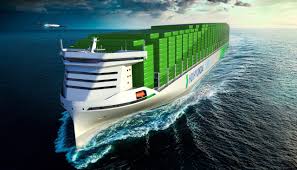 Exploring HD KSOE’s Collaboration with MIT and Global Firms on Cutting-Edge Autonomous Ship Technologies">

Unveiling Breakthroughs in Autonomous Maritime Technology
Recent developments in autonomous navigation and maritime technology are painting a vibrant picture of the future for the shipping industry. A significant workshop held by HD Korea Shipbuilding & Offshore Engineering (HD KSOE) in Seongnam showcased just how far innovation has come, bringing together heavyweights like MIT, leading shipping companies, and certification bodies to share advances achieved over the past year.
The Foundation: MIT Maritime Consortium and Global Partnerships
Launched in March, the MIT Maritime Consortium has formed a powerful alliance involving the Massachusetts Institute of Technology (MIT), the Greek shipping company Capital, and the American Bureau of Shipping (ABS). This coalition aims to spearhead technological innovation within the maritime sector while emphasizing global environmental goals such as decarbonization.
The workshop drew around 180 attendees, including experts from consortium partners and other premier institutions like Dorian Shipping, the Singapore Institute of Marine Studies, and the UK’s Foresight Group specializing in renewable energy investment. Such a diverse lineup underlines the maritime sector’s commitment to collaborating across borders and disciplines to push the envelope of technology.
Key Technological Milestones Presented
The heart of the workshop was the presentation of critical achievements throughout the consortium’s first year, revolving around four main areas:
- AI-Driven Autonomous Navigation: Introducing intelligent systems designed to self-navigate vessels, improving safety and operational efficiency.
- Cybersecurity Innovations: Development of AI models that proactively detect and mitigate cyber threats to safeguard ship operations and data integrity.
- Small Modular Reactor (SMR)-Powered Vessel Development: Progress toward environmentally friendly nuclear propulsion for ships, coupled with safety frameworks for commercialization.
- 3D Printing in Manufacturing: Application of additive manufacturing techniques for ship components, potentially reducing production times and costs.
One particularly intriguing aspect lies in the decision to equip selected vessels with HiNAS Control technology from Avikus, a specialized affiliate of HD Hyundai focusing on autonomous navigation. Future plans include thorough testing to quantify how much this AI-driven system can enhance fuel efficiency, a win-win for business and environmental stewardship.
Strategic Roadmap and Future Outlook for Shipbuilding
Looking ahead, discussions within the consortium tackled a visionary three-year roadmap alongside technological priorities anticipated post-2030. Central themes included decarbonization efforts, rising global fuel efficiency standards, the broader digital transformation of maritime operations, and an effective cybersecurity posture against emerging threats. These endeavors highlight how the maritime domain is evolving beyond traditional shipbuilding into domains deeply intertwined with digital and green tech.
| Core Research Areas | Main Focus | Potenciális logisztikai hatás |
|---|---|---|
| Autonomous Navigation AI | Enhance autonomous ship control and improve fuel efficiency | Reduced human error, better route optimization, cost-effective sea freight |
| Cybersecurity Models | AI-enabled threat detection for maritime cybersecurity | Secured digital shipping operations, lower risk of data breaches |
| SMR-Powered Vessel Tech | Development of safe nuclear propulsion systems | Greener shipping methods, long-term sustainability in cargo transport |
| 3D Printing Manufacturing | Rapid prototyping and production of vessel parts | Streamlined ship repair and construction, faster delivery schedules |
Industry Experts Highlight the Importance of Collaboration
Comments from leaders stressed that the maritime industry’s challenges are too complex for a siloed approach. The director of MIT’s Center for Ocean Engineering noted that technological shifts and increasing environmental regulations demand a cross-sector collaboration that fuses expertise in AI, engineering, and strict compliance frameworks. Similarly, HD KSOE’s Future Technology Research Institute director emphasized the group’s ongoing dedication to refining AI-based systems and fostering global partnerships to accelerate decarbonization and tech innovation across shipbuilding.
Wider Educational Initiatives
HD Hyundai’s commitment to innovation extends beyond research projects. The company has cultivated academic partnerships with institutions such as the University of Michigan and Seoul National University, emphasizing talent development through educational cooperation and expert forums. This strategy helps ensure that the workforce is primed to handle the next wave of digital and green maritime technologies.
Autonomous Ships and Logistics: A New Era
The impact of these innovations will ripple throughout the logistics and shipping industries. Autonomous navigation systems promise safer and more precise shipping operations, opening avenues for improved delivery predictability and optimized freight routing. Enhanced cybersecurity fortifies operational continuity—especially critical as shipping grows more digitally interconnected.
SMR-powered vessels symbolize a push towards eco-friendly cargo shipping, which aligns perfectly with global trends demanding sustainability throughout supply chains. Finally, 3D printing’s capacity to reduce downtime on ship repairs means fewer delays and more reliable transport schedules—something every logistics professional will welcome.
Why Firsthand Experience Trumps All
While reviews and expert feedback illuminate many aspects of these cutting-edge technologies, nothing beats hands-on experience in assessing their true value. Platforms like GetTransport.com empower users to engage directly with cargo transportation services that leverage such innovations, making it easier to select shipments that balance efficiency, cost, and safety. With competitive global pricing and a vast array of options—from moving offices and homes to hauling vehicles and bulky goods—GetTransport.com embodies the seamless logistics future these advancements hint at. Foglaljon fuvart a oldalon GetTransport.com today.
Looking Ahead: The Implications for Global Logistics
Although these advancements primarily target maritime tech, their potential reverberates across global logistics networks. Autonomous vessels and greener propulsion methods could drastically reduce freight costs and carbon footprints, affecting how goods move internationally. Yet, such innovation is also a reminder that logistics providers must stay nimble, integrating new digital tools and safeguarding operations against cyber risks. GetTransport.com keeps pace with these trends, offering clients a modern, efficient platform for their shipping and relocation needs worldwide. Start planning your next delivery and secure your cargo with GetTransport.com.
Következtetés
The collaboration between HD KSOE, MIT, and global shipping companies marks a substantial step forward in smart maritime transport. With a focus on AI-driven autonomous navigation, advanced cybersecurity, SMR-powered vessels, és innovative manufacturing technologies, the industry is charting a greener, safer, and more efficient course for freight and cargo shipping. These breakthroughs won’t just stay on paper; they’ll influence logistics operations, reducing costs, enhancing reliability, and advancing sustainable practices worldwide. Platforms like GetTransport.com exemplify this future by providing affordable, accessible freight and moving solutions that align perfectly with new technological realities, whether it’s for international parcel delivery or complex, bulky cargo dispatch.