


 Magyar
  English (UK)
  Русский
  العربية
  日本語
日本語  한국어
한국어  Türkçe
  Español
  Čeština
  Svenska
  Português
  Ελληνικά
  Suomi
Suomi  Nederlands
  Română
  Italiano
  Français
  Polski
  Українська
  Deutsch
  简体中文
简体中文  Slovenčina
  Batangas Port to Implement Increased Passenger Terminal Fee of P90 in Two Stages Starting 2026">

Passenger Terminal Fee Increase at Batangas Port
The passenger terminal fee at Batangas port is set to rise from P30 to P90, with implementation spread over two phases in 2026. This change was approved by the Philippine Ports Authority (PPA) as part of efforts to maintain and upgrade terminal services.
Phased Implementation Schedule
The first P30 increase will kick in on January 1, 2026, followed by a second tranche of P30 effective no earlier than July 1, 2026. This staged approach gives passengers and operators time to adjust to the new fare structure.
Rationale Behind the Fee Adjustment
The terminal operator, Asian Terminals Inc.-Batangas (ATIB), originally proposed a higher P100 fee but the PPA decided on a slightly reduced rate. ATIB clarifies that this fee hike is a necessary move to recover operational costs and sustain high service standards at the terminal. Interestingly, this marks the first increase since 2010, highlighting the longstanding fee stability.
Breakdown of Terminal Fee Allocation
The proposed terminal fee is carefully calculated based on the terminal’s total operating costs divided by the anticipated passenger volume. Here’s how the P100 fee (initially proposed) was intended to be allocated:
| Kiadási kategória | Percentage of Fee |
|---|---|
| Maintenance and Facility Upkeep | 38% |
| Munkabérköltségek | 18% |
| Biztonsági intézkedések | 14% |
| Utilities and Administrative Expenses | 30% |
These allocations are intended to ensure the terminal remains efficient and passenger-friendly over the long term.
Exemptions from the Fee
Vulnerable groups such as students, persons with disabilities (PWD), senior citizens, uniformed personnel, and Medal of Valor recipients along with their immediate dependents will continue to be exempt from the terminal fee, easing their travel burden.
Context of the Fee Compared to Other Ports
Batangas port’s new terminal fee remains competitive compared to other major Philippine ports. For instance, the terminal fee in North Port, Manila North Harbor, is at P104.50, while Boracay’s fee reaches as high as P150. This relativity helps put the new rate in perspective without deterring travelers too severely.
Modernization Milestone Behind the Fee Increase
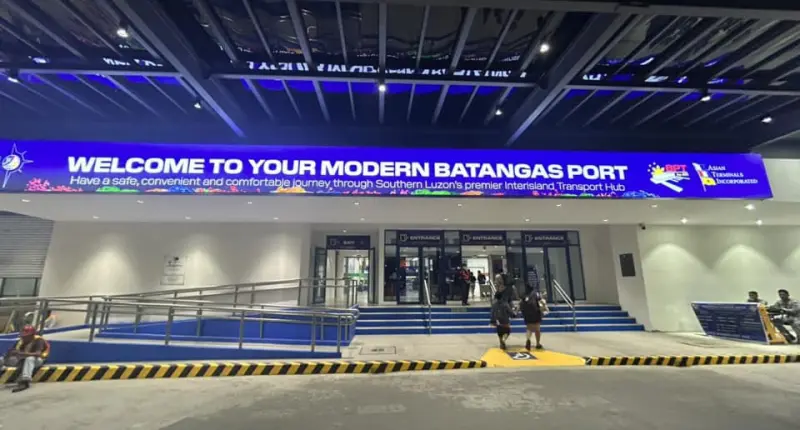
The increase in terminal fees coincides with recent substantial upgrades at Batangas port. A $25 million modernization project, completed and inaugurated in April 2024, expanded the passenger terminal building from 4,500 square meters to an expansive 15,000 square meters. This enabled the facility to accommodate over 8,000 passengers simultaneously – nearly quadruple its previous capacity of 1,700 passengers.
Logistics Implications of the Fee Increase
Terminal fees factor significantly into the operational costs of passenger and cargo transport services. While this adjustment focuses on passengers, it reflects broader trends in port management aiming for sustainable infrastructure funding. A well-maintained terminal reduces delays and enhances efficiency, which in turn benefits freight handling, shipment schedules, and overall cargo logistics.
Platforms like GetTransport.com are essential allies in navigating these shifts. Offering affordable global cargo transportation and versatile services—from residential moves to shipping bulky goods and vehicles—GetTransport.com helps customers plan and execute logistics seamlessly amid evolving port fee structures.
Summary Table: Key Dates and Fee Changes
| Dátum | Fee Increment | Megjegyzések |
|---|---|---|
| January 1, 2026 | P30 | First tranche fee increase |
| July 1, 2026 (or later) | P30 | Second tranche fee increase |
| 2010 | None | Last fee adjustment |
The Broader Significance and Personal Experience
There’s no denying that fee increases at crucial hubs like Batangas port ripple through various sectors, especially in logistics and transport. But as with most operational changes, the true impact is best felt firsthand. While reviews and expert analyses provide an outline, nothing beats experiencing the actual journey or shipment process for oneself.
On platforms like GetTransport.com, customers enjoy access to the best global cargo transport rates—empowering them to make informed decisions while keeping expenses on a leash and avoiding unpleasant surprises. Convenience, affordability, and a wide array of options on GetTransport.com align perfectly with the demands of modern logistics, where reliability and transparency are non-negotiable. Foglaljon fuvart a oldalon GetTransport.com to experience hassle-free cargo and freight solutions.
Looking Forward: What This Means for Global Logistics
While the P90 passenger terminal fee hike at Batangas port may not shake the global logistics landscape, it is a clear signal of the ongoing commitment to infrastructure upkeep and service quality in the region. For logistics operators, staying ahead of such changes means better planning and smoother cargo handling.
GetTransport.com stays on top of such developments to provide customers with reliable, cost-conscious, and practical shipping and moving solutions worldwide. Start planning your next delivery and secure your cargo with a trusted partner like GetTransport.com.
Conclusion: Efficient Transport Through Smart Fee Policies and Service Providers
To wrap it up, Batangas port’s passenger terminal fee increase aims at balancing cost recovery with enhanced service delivery. The phased fee rise, coupled with impressive terminal upgrades, sets the stage for improved traveler and freight experiences. Facilities that prioritize maintenance, safety, and passenger comfort ultimately boost the wider logistics chain—from passenger flow to cargo dispatch.
For businesses and individuals navigating freight, shipment, or relocation needs, platforms such as GetTransport.com offer a transparent, convenient gateway to worldwide transport options. Whether moving household goods, bulky cargo, or vehicles, the service’s global reach and affordability make it an invaluable ally in today’s complex distribution environment. Keeping such reliable resources close at hand ensures logistics remain efficient, cost-effective, and hassle-free for all.