


 Magyar
  English (UK)
  Русский
  العربية
  日本語
日本語  한국어
한국어  Türkçe
  Español
  Čeština
  Svenska
  Português
  Ελληνικά
  Suomi
Suomi  Nederlands
  Română
  Italiano
  Français
  Polski
  Українська
  Deutsch
  简体中文
简体中文  Slovenčina
 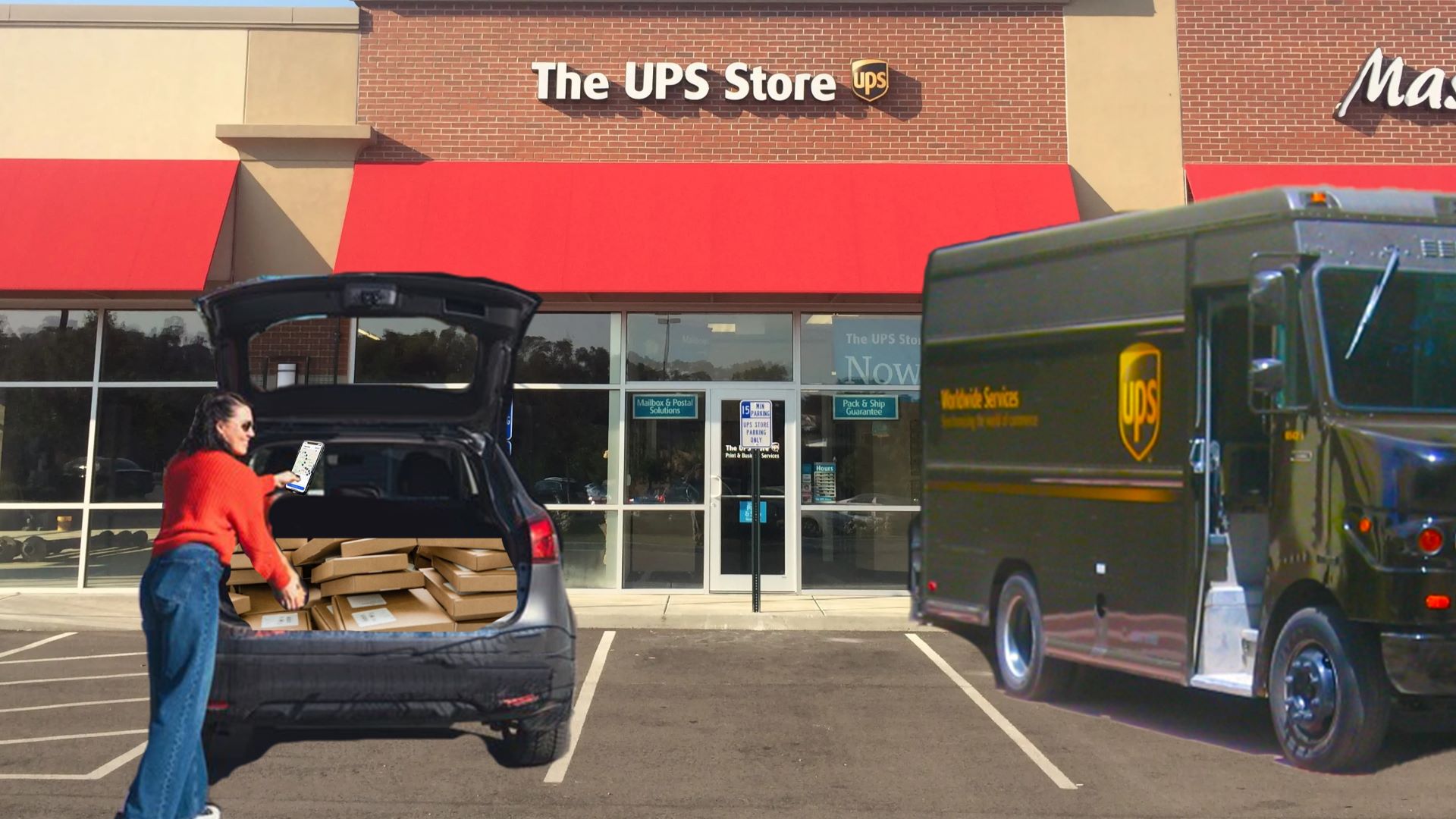 How UPS Can Innovate B2C Parcel Delivery by Uniting Teamster Drivers, UPS Stores, and Roadie Gig Workforce">

A Changing Parcel Delivery Landscape
Parcel delivery has undergone a major transformation from its early days of business-to-business (B2B) shipping towards a booming business-to-consumer (B2C) e-commerce market, which now dominates over 70% of parcel volume. UPS has been a powerhouse in B2B deliveries for over a century, building a strong model based on a unionized workforce that offers reliable service with well-compensated Teamster drivers. But as the market has evolved, so have delivery demands and cost pressures.
Enter the rise of FedEx Ground and other nimble players who embraced independent contractors to keep costs low while leveraging technology for efficiency, capturing increasing slices of the evolving parcel pie. Meanwhile, the surge of e-commerce drives single-package deliveries to residences—a concept wildly different from UPS’s traditional model of multiple parcels per stop in the B2B world.
The High Cost of Traditional Delivery Models for B2C
Delivering light, inexpensive parcels one at a time to residential addresses with large vans and unionized drivers doesn’t exactly scream cost-effectiveness. This explains why the conventional UPS model feels like a fish out of water in the B2C sea. On the other hand, gig economy workers thrive on flexible hours and localized driving routes, perfectly suited for the dispersing nature of e-commerce deliveries.
Bridging Strengths: A Win-Win-Win Delivery Model
UPS faces the tightrope walk of honoring its union commitments while adapting to market realities that beckon operational flexibility. The answer may lie in a hybrid, collaborative approach that integrates the best of both worlds—unionized middle-mile handling and gig-worker-powered last-mile fulfillment.
Breaking Down the Proposed Model
- Teamster Drivers as Middle Mile Heroes: Instead of each driver taking a sprawling route to numerous doorsteps, Teamster-operated large vans packed with hundreds of parcels would deliver shipments to a network of over 5,600 UPS Stores nationwide.
- UPS Stores as Parcel Hubs: These stores act as neighborhood parcel points, supporting centralized drop-offs and returns, reducing failed delivery headaches typically associated with B2C shipping.
- Roadie Gig Workers for Last-Mile Delivery: Gig workers can pick up parcels from UPS Stores and handle the relatively short, often under 10-mile, final delivery leg. Familiarity with local routes adds safety and efficiency, cutting down on lengthy van routes and transit times.
Advantages of the Hybrid Approach
| Aspect | Traditional UPS Model | Proposed Hybrid Model |
|---|---|---|
| Labor Structure | Unionized drivers delivering directly to homes | Teamsters handle middle-mile; gig workers do last-mile pickups |
| Költséghatékonyság | High costs due to union wages and van usage for B2C | Lower costs with flexible gig workers and parcel hubs |
| Szállítási sebesség | Often longer routes with single item drops | Faster local deliveries within neighborhoods |
| Customer Convenience | Direct to door but risk of missed deliveries | Pick up at convenient UPS Stores with easy returns |
| Versenyelőny | Strong in B2B; weakening in B2C against tech-savvy competitors | Innovative blend to reclaim B2C market share |
Why Timing Is Critical
The digital marketplace doesn’t wait around. FedEx has been nudged for quickly adopting gig-based delivery, and UPS has already laid down some groundwork by acquiring Roadie in 2021, a platform specializing in neighborhood-based last-mile logistics. Still, this promising strategy calls for swift collaboration between UPS leadership, Teamsters, and UPS Store franchisees, whose vested interests naturally align with expanding their customer base and revenue.
The real charm lies in how this model addresses customer trust too. Packages carried by people wearing an established UPS brand outfit blend confidence and familiarity, a nice counter to anonymous independent couriers. Plus, less time spent on the road per delivery means happier drivers and happier customers.
Potential Market Impact
This approach could pull away business from not just competitors but also future tech-driven start-ups aiming to disrupt last-mile delivery with independent operators specializing in local tasks. It puts UPS in a strong spot versus newer players like Jitsu, Veho, Gofo, and even ride-share companies circling into parcel transport arenas.
Keeping Union Drivers in the Game
The blended model smartly preserves opportunities for Teamster drivers, ensuring they continue playing a vital role in UPS’s parcel ecosystem. Such a balanced plan may ease labor negotiations ahead and prevent friction that could disrupt service in the years to come.
Highlighting the Complex Yet Promising Future of B2C Delivery
This fresh, unified delivery idea isn’t just about being clever—it’s about survival and growth in a market that’s moving faster than ever. UPS has a slim window to capitalize on its existing assets, including brand strength, franchise network, and its Roadie acquisition. The marriage of a strong middle mile with flexible last-mile agents is the kind of nimble logistics innovation that global cargo dispatch wishes for.
No two reviews or feedback loops can quite top firsthand experience, and that’s why platforms like GetTransport.com are so vital—they bring affordable, worldwide transport options to your fingertips, whether you’re managing office relocations, bulky shipments, or vehicle hauls. This convenience and breadth let consumers and businesses alike make choices free from unnecessary overhead or poor service.
GetTransport.com shines in offering transparent pricing, versatile service types, and global reach, perfectly echoing the dynamic changes shaping parcel logistics today. Book now on GetTransport.com for your next shipment’s seamless journey.
The Road Ahead for Logistics and Parcel Delivery
Globally, this proposed UPS strategy isn’t set to upheave logistics overnight, but it serves as a prime example of how legacy carriers must evolve to keep their footing. Integrating union labor strengths with gig workforce agility targets efficiency, cost-effectiveness, and customer satisfaction—all vital in freight and shipping today.
UPS’s efforts to blend these delivery methods could well shape broader industry trends, nudging other carriers and forwarding agents to rethink parcel dispatch, final-mile haulage, and distribution models. Staying ahead of these shifts is the hallmark of a logistics leader.
Kezdje el tervezni a következő szállítást, és biztosítsa rakományát a GetTransport.com segítségével.
Összefoglaló
In sum, UPS stands at a crossroads where its historic unionized delivery model meets the sprawling demands of modern B2C e-commerce. A hybrid strategy leveraging the scale of Teamster middle-mile drivers, UPS Stores as parcel hubs, and Roadie’s network of gig workers for the last-mile can pull UPS back into the heart of the rapidly growing residential parcel market. This innovation promises better cost control, improved delivery speed, and strengthened customer trust.
For logistics, shipping, and freight professionals, this evolution illustrates the ongoing push to integrate technology, workforce flexibility, and consumer convenience into freight and parcel operations worldwide. Platforms like GetTransport.com embrace this very spirit, streamlining cargo transport for all scales of goods—from bulky furniture and pallets to housemoves and vehicle freight—offering reliable, cost-effective, and user-friendly solutions tailored to today’s global demands.