


 Magyar
  English (UK)
  Русский
  العربية
  日本語
日本語  한국어
한국어  Türkçe
  Español
  Čeština
  Svenska
  Português
  Ελληνικά
  Suomi
Suomi  Nederlands
  Română
  Italiano
  Français
  Polski
  Українська
  Deutsch
  简体中文
简体中文  Slovenčina
 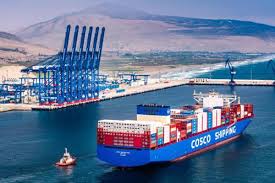 Hogyan forradalmasítja a teherforgalmat a Kína és Peru közötti közvetlen tengeri útvonalak">

A Fresh Chapter in China-Peru Maritime Trade
Direct shipping routes linking China and Peru have recently gained momentum, marking a significant milestone in maritime commerce. With the inauguration of a sprawling Chinese-owned port on Peru’s Pacific coast, major shipping lines are now racing to offer faster, more efficient connections that reshape trade dynamics. This development promises to be a game-changer for cargo transport and freight logistics in both regions.
Cutting Down Transit Times with New Direct Services
The container shipping giant MSC has initiated a weekly direct service from Ningbo, China, to Callao, the main port near Lima, Peru’s capital. This move complements Cosco Shipping’s similar weekly line launched after its $1.3 billion port facility was completed last year in Chancay, just up the coast from Callao. Cosco’s service sails from Shanghai directly to Chancay, significantly trimming transit times.
To put it into perspective, the MSC route covers the China-to-Peru leg in about 21 days, while Cosco’s Shanghai-to-Peru journey takes roughly 23 days. These new routes slash the previous standard shipping duration of 40 to 45 days, which traditionally involved detours through multiple transshipment hubs like Mexico, Central America, and Colombia before reaching Peru.
Trade Flows Driving This Maritime Push
China stands as Peru’s leading trading partner, buying the lion’s share of Peru’s top export—copper. Meanwhile, Peru imports diverse Chinese-manufactured goods, including textiles, electronics, and vehicles. This bilateral trade volume underscores the importance of efficient and timely shipping routes.
| Product Flow | Peru to China | China to Peru |
|---|---|---|
| Main Export | Copper | - |
| Key Imports | - | Textiles, Electronics, Cars |
| Old Transit Time | 40-45 days via multiple transshipment ports | |
| New Direct Service Transit Time | Approximately 21-23 days | |
The Strategic Location of Callao and Chancay Ports
While the ports of Callao és Chancay are only about 80 kilometers apart, their proximity to Peru’s capital gives them strategic importance. Both ports offer complementary access for different shipping lines, presenting a new logistics hub on South America’s west coast, ready to serve expanding Asian-Pacific trade.
Before these developments, Peru’s shipping routes often relied on lengthy, circuitous paths through other major markets. The introduction of these direct routes highlights a shift in the maritime freight landscape, proving that even countries with relatively small domestic markets like Peru can benefit immensely from optimized international shipping corridors.
Operators Betting on Market Growth
MSC’s local managing director remarked on deploying a fleet of 14 ships for the route, noting solid enthusiasm demonstrated by full cargo holds on these vessels. Currently, ships unload imports from China in Callao and then continue to Chile to transport cherries back to Asia, capitalizing on seasonal produce cycles. This fertilizes hopes for future direct exports of Peruvian fruits, which stand to benefit from faster transit times, ensuring longer freshness and shelf life.
The Bigger Picture: Peru as South America’s Logistics Hub
Port officials and industry experts anticipate a blossoming future where Peru evolves into a critical logistics center for South America. Increased connectivity with Asia via direct shipping lines will likely attract additional maritime services catering directly to both exporters and importers.
This evolution reflects broader trends in global logistics—where the faster delivery of cargo becomes paramount, and ports evolve from mere transit points to integrated hubs fostering regional trade.
Impact on Global and Regional Logistics
Though this development isn’t shaking global shipping lanes dramatically yet, the China-Peru direct route carries important implications for regional supply chain strategies. Shorter shipping times reduce overall freight costs, minimize inventory lead times, and enable fresher food products to reach distant markets more reliably.
From a logistics perspective, this means freight forwarders, warehousing operators, and distribution companies near Lima can expect higher throughput volumes and the need for more agile handling procedures. For business owners, especially those involved in the export of perishables, these new shipping options could translate into better competitive positioning internationally.
Logistics Considerations for Importers and Exporters
- Gyorsabb tranzitszorok mean less capital tied up in transit and potentially reduced warehousing costs.
- The availability of multiple ports in close proximity allows for diversified logistics strategies, improving resilience.
- Improved shipping reliability enhances planning accuracy for both B2B and B2C operations.
- Seasonal cargo patterns, such as Peruvian cherries shipped to Asia, highlight optimized freight utilization beyond simple point-to-point transport.
Overall, the emergence of these new routes aligns with a global push toward more efficient, cost-effective, and versatile freight and shipment solutions.
A személyes tapasztalat felülír minden értékelést
While expert reviews and industry analyses offer valuable insights, nothing quite compares to firsthand experience navigating shipping logistics in evolving markets. Fortunately, readily accessible platforms like GetTransport.com enable users to tap into an extensive global network for cargo transportation at affordable rates. Whether moving office equipment, home goods, bulky items like furniture, or vehicles, users can explore competitive offers and tailor solutions to their specific needs.
The transparency and convenience provided by GetTransport.com empower businesses and individuals alike to make informed decisions without the hassle and uncertainty of traditional freight forwarding channels. With access to worldwide movers, couriers, and haulage services, the platform stands as a trusted partner in the complex world of logistics.
Foglaljon most!, GetTransport.com.
Looking Ahead: What This Means for Cargo and Freight Logistics
The new direct maritime routes between China and Peru might not cause a global ripple just yet, but they undeniably represent a step forward in regional shipping efficiency and reliability. For companies involved in international transport, keeping pace with these trends is crucial. Efficient freight forwarding and shipping solutions form the backbone of successful global supply chains.
As Peru positions itself as a logistics hub of South America, providers like GetTransport.com will play essential roles in connecting shippers to the best routes and services worldwide, helping to streamline delivery, reduce costs, and expand the reach of goods across continents. Start planning your next delivery and secure your cargo with GetTransport.com.
Következtetés
The race between shipping giants MSC and Cosco to accelerate trade between China and Peru signals a new era of faster, more direct cargo shipping in the Pacific. By dramatically cutting transit times from over 40 days to just about three weeks, these routes are reshaping supply chains and logistics practices in the region. Their strategic importance for both copper exports from Peru and varied Chinese imports cannot be overstated.
This development anticipates Peru’s rise as a pivotal logistics hub in South America, enhancing haulage, storage, and distribution capabilities. It offers exporters, especially in perishables, fresh opportunities for timely, reliable shipment. Platforms like GetTransport.com make it easier for businesses and individuals to tap into these enhanced routes, offering versatile, cost-effective transport options that align perfectly with modern logistics demands.
Ultimately, the evolution of maritime routes between China and Peru is more than just a trade story—it’s about optimizing global freight, advancing supply chain innovations, and making sure goods get where they need to be, faster and smarter.