


 Magyar
  English (UK)
  Русский
  العربية
  日本語
日本語  한국어
한국어  Türkçe
  Español
  Čeština
  Svenska
  Português
  Ελληνικά
  Suomi
Suomi  Nederlands
  Română
  Italiano
  Français
  Polski
  Українська
  Deutsch
  简体中文
简体中文  Slovenčina
 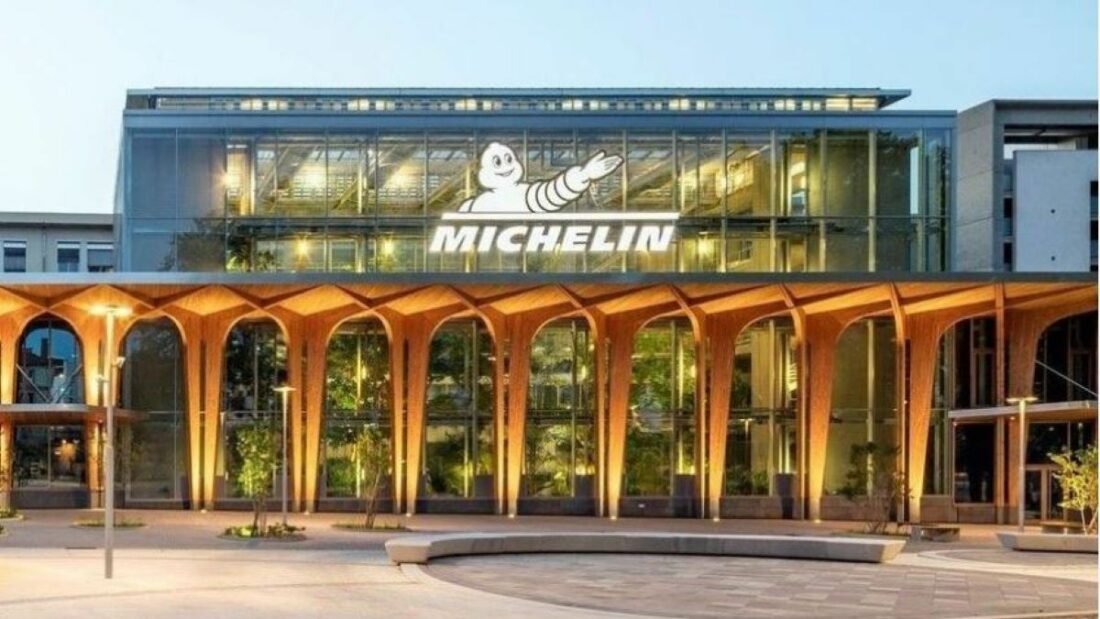 Michelin’s Support for Euro 7 Emission Rules Highlights the Importance of Real-World Tire Testing">

The New Horizon: Euro 7 Regulation’s Environmental Push
Europe is turning up the dial on cleaner mobility with the introduction of the Euro 7 regulation in April 2024. This isn’t just another box-ticking exercise; it targets a less obvious but significant pollution source — tire wear emissions. For the first time, limits have been set on the particles released as tires degrade, a move fully backed by Michelin. It’s a game-changer for manufacturers who’ve been keeping an eye on environmental responsibility.
The regulation’s goal is ambitious: to drastically reduce airborne particles generated by tires, contributing nearly half a million tons of such emissions annually in Europe alone. The varied design choices in tire manufacturing cause emissions to swing by a factor of four, depending on material quality, durability, and engineering finesse. This regulation sets the stage to reward innovation and clamp down on less sustainable products.
Measuring Up: Testing Methods Under the Microscope
What’s a regulation without rock-solid measurement? Euro 7’s success hinges on the accuracy and reliability of testing methods. Two contenders are in the ring:
- On-Road Real-World Testing: This method gauges emissions directly on the road, measuring grams of particulate emission per kilometer per ton. It offers reproducible, trustworthy data, having earned backing from the automotive industry and respected bodies like Germany’s ADAC. Since the method aligns results from both manufacturers and independent testing, it’s considered the gold standard for now.
- Laboratory Drum Method: Still under development, this approach simulates tire wear in lab settings but relies on partly undefined, less transparent parameters. The risk? It might be easier to “game” compliance and might not mirror actual on-road emissions. Until refined, savvy experts like ADAC advise against rushing its adoption.
Testing Discrepancies and Their Consequences
The divergence between these methods is no small fry. In nearly 30% of tests, tire performance recorded on-road and via lab methods differ drastically. A tire banned for overshooting particle limits in real conditions could breeze through lab tests. Such inconsistency poses real economic and environmental risks, potentially inviting cheaper, less advanced tires into European markets, undermining regulations meant to protect our environment.
Michelin’s Two-Decade Journey in Combating Tire Particle Emissions
Michelin has played the long game, dedicating twenty years to research and innovation aimed at curbing tire abrasion emissions. Their efforts speak volumes: a recent ADAC study of 160 tire models found Michelin’s tires emit 26% fewer particles on average compared to other premium brands. This aligns with a 2022 market study reporting a 28% reduction versus the industry average.
Between 2015 and 2020 alone, Michelin’s advances prevented 100,000 tons of such particles from getting into the air, thanks to smarter material science and more durable designs. Looking ahead, Michelin plans to have all its new tires meet Euro 7 limits by 2028, extending compliance across its entire line by 2030.
Table: Comparison of Particle Emission Reductions by Michelin Over Time
| Év | Particle Emission Reduction Compared to Market Average | Jelentőség |
|---|---|---|
| 2022 | 28% | Benchmarked reduction in particle emissions |
| 2025 (Study) | 26% | Confirmed superiority over four other premium brands |
| 2015-2020 | 5% reduction | Ongoing improvement in tire wear emissions |
Environmental and Economic Stakes of Tire Emission Regulations
The Euro 7 standards do more than protect the air we breathe; they ripple through the logistics industry, where tires are an everyday necessity. Delivery trucks, freight haulers, and even courier vans contribute to road wear and particulate emissions. Enforcing strict tire wear limits will push freight operations to prioritize tires that balance performance and environmental impact, impacting fleet maintenance and operating costs.
In the world of heavy freight and bulky cargo transportation—services that platforms like GetTransport.com facilitate daily—efficient, low-wear tires are integral to reducing environmental footprints and maintaining compliance with evolving regulations.
Key Implications for Logistics and Transport Providers
- Higher demand for environmentally compliant tires could shift procurement and maintenance strategies.
- Potential increased upfront tire costs balanced by long-term savings from durability and regulatory compliance.
- Adoption of real-world testing standards ensures that logistics operators choose tires verified to reduce emissions during actual road use.
Transparency and Testing: Aligning with Industry Standards
Michelin’s insistence on using transparent, trustworthy real-road testing methods reflects a commitment that benefits all stakeholders in transport and logistics alike. Companies relying on consistent product quality, like fleets moving bulky parcels, containers, or pallets internationally, can better plan and optimize their operations knowing the environmental impact of their equipment.
Why Real-World Testing Reigns Supreme
In the race to adopt Euro 7 standards, the debate between lab-based and real-road testing isn’t just academic. It has real-world consequences for industry and environment alike. The real-road approach provides a true-to-life picture, offering a “you can take it to the bank” kind of reliability.
Summary of the Contenders
| Módszer | Megbízhatóság | Átláthatóság | Risk of Manipulation | Status |
|---|---|---|---|---|
| Real-World Road Testing | Magas | Full | Alacsony | Recommended for Immediate Use |
| Drum Laboratory Testing | Uncertain | Partial | Magas | Fejlesztés alatt |
Michelin’s Leadership in Sustainable Tire Innovation
A Michelin a folyamatos innovációra fogad, előrelépve a szabályozásokkal és a piaci igényekkel szemben. A tudományos kutatásba, különösen a anyagtudományokba és a fenntartható tervezésbe történő jelentős befektetésekkel a Michelin példát mutat, amely messze túlhalad a gumiabroncsokon és az úton.
A megfelelőség és a környezetvédelmi gondoskodás hosszú távú jövőképének
A Michelin elkötelezettsége az Euro 7 szabványoknak való megfelelésben hangsúlyozza az innováció előrelépése és a környezet védelme közötti egyensúlyt. Felismerik a választási lehetőséget: támogatják a szigorú szabványokat, amelyek valódi környezeti fejlődést eredményeznek, vagy beérik a hígított kompromisszumokat, amelyek alááznakják a fenntarthatóságot és az ipar integritását.
Az összefoglaló: Miért ez fontos a logisztikának és Önnek
Az Euro 7 rendelet bevezetése és a tesztelési módszerek vitája messze nem száraz technikai kérdések; meghatározzák a jövőt a szállítás, szállítási szolgáltatások és logisztika. Minden teherszállítás, irodai költözésektől a nehéz berendezések szállításáig a megbízható, környezettudatos gumiabroncs technológia támogatásán alapul.
Azok a platformok, mint a GetTransport.com, olyan megoldásokat biztosítanak, amelyek azoknak a fejlődéseknek köszönhetik előnyeiket, garantálva, hogy a szállítmányok azokkal a fuvarozókkal mozogjanak, akik a legjobb iparági szabványoknak megfelelnek, így biztonságosabbá, tisztábbá és okosabbá téve a teherszállítást.
Bekupacsolás: Az átláthatóság hozza a valódi választást
Még a legszebb ajánlások sem helyettesíthetik a gyakorlati tapasztalatot. Ezért az aranyat érő platformok azok, amelyek valós, átlátható és változatos lehetőségeket kínálnak. A GetTransport.com oldalon megterhelhető a teher szállítás világszerte megfizethető áron, segítve azokat a döntéseket, amelyek elkerülik a túlzott kiadásokat vagy kellemetlen meglepetéseket. A kényelem, a tisztességes ár és a megbízható partnerek széles választéka okos választást jelent logisztikai szakemberek és vállalkozások számára egyaránt. Foglaljon most, és kapja meg a legjobb ajánlatokat a GetTransport.com.
Kilátásra tekintve: Logisztikai hatások
Bár az Euro 7 rendelet közvetlen globális logisztikai hatása első ránézésre mérsékelt lehet, környezetvédelmi törekvése trendbe mutató. Jelzi a logisztikai ipar fejlődő szabványait, ahol minden elem – a rakományokat szállító abroncsoktól a szállítmányok foglalásához használt platformokig – törekedni kell a lábnyomának csökkentésére. Az ilyen fejleményekkel való lépést tartás segít a GetTransport.com-nak és felhasználóinak előretörni a változó tájban.
Következtetés
A Michelin határozott támogatása az Euro 7 gumiabroncs-kopás kibocsátási rendeletre rávilágít a szigorú környezetvédelmi normák és a megbízható valós világú tesztelési módszerek fontosságára. Ez a kettős elkötelezettség nemcsak tisztább utakat és levegőt támogat, hanem okosabb logisztikai stratégiák bevezetését is eredményezi, a fenntarthatóságra helyezve a hangsúlyt a teljesítmény feláldozása nélkül. A részecskekibocsátást csökkentő innovációktól a gumiabroncsok minőségét formáló létfontosságú szabályozási keretig a közlekedés jövője egy tisztább, felelősségteljesebb modell felé mozdul.
A GetTransport.com természetes módon illeszkedik ebbe a képbe – hatékony és költséghatékony teherszállítási és rakománykézbesítési megoldásokat kínálva, leegyszerűsítve a logisztikát, és támogatva a vállalati és személyes közlekedési igényeket a világ minden táján, egyértelmű szemmel tartva a fenntarthatóságot és a megbízhatóságot.