


 Magyar
  English (UK)
  Русский
  العربية
  日本語
日本語  한국어
한국어  Türkçe
  Español
  Čeština
  Svenska
  Português
  Ελληνικά
  Suomi
Suomi  Nederlands
  Română
  Italiano
  Français
  Polski
  Українська
  Deutsch
  简体中文
简体中文  Slovenčina
 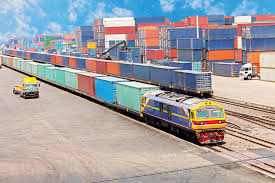 Accelerating Multimodal Infrastructure in India: Rail, Road, Coastal and Inland Waterways">

This article examines the push to expand multimodal infrastructure in India and what the Union Budget 2026–27 might mean for the country’s logistics landscape.
Why the moment matters
India’s logistics ecosystem is sitting at a pivotal crossroads. Shifts in consumption patterns, surging demand for time-critical deliveries, and the trend of moving supply chains closer to consumption hubs are creating pressure for smarter, faster, and more integrated transport solutions. Observers such as Ketan Kulkarni, MD & CEO of Allcargo Logistics, see the Budget as a timely chance to accelerate investments across rail, road, coastal shipping és belvízi utak.
What an integrated network can deliver
Put simply, a true multimodal system—where modes are connected seamlessly—can lower overall logistics costs, reduce urban congestion, and speed up goods movement for businesses of all sizes. That’s not just theory. When a small manufacturer can move components by water to a nearby port, then by rail to a distribution center, last-mile delivery becomes less painful and less expensive. There’s no two ways about it: integration reduces friction and builds resilience.
Concrete benefits for the supply chain
- Cost reduction: Optimizing long-haul movements on rail and coastal routes reduces fuel and toll expenses.
- Faster lead times: Closer supply chain nodes and synchronized modal links speed up delivery cycles.
- Urban decongestion: Diverting freight to waterways and rail eases pressure on city roads and last-mile networks.
- MSME empowerment: Smaller firms gain access to wider markets with predictable transit times and lower shipping costs.
- Fenntarthatóság: Modal shift from road to rail and water lowers emissions per tonne-kilometer.
Modes, strengths and challenges
| Mód | Erősségek | Key Challenges |
|---|---|---|
| Vasút | High capacity, fuel-efficient for long distances | Last-mile connectivity, scheduling and intermodal terminals |
| Út | Flexibility, ubiquity for short hauls and deliveries | Congestion, higher per-ton cost and emissions |
| Coastal shipping | Cost-effective coastal trade, reduced port-to-port transit times | Port infrastructure, transshipment handling |
| Inland waterways | Low-cost, energy-efficient for bulky cargo | Seasonality, dredging and terminal investments |
Priority actions to unlock value
Governments and private players should focus on a few high-impact moves—no fuss, just practical steps that pay dividends.
Policy and investment priorities
- Targeted capital spending on terminals, intermodal yards and last-mile hubs.
- Enable private finance through incentives and clear, bankable contracts for warehousing and logistics parks.
- Szabályozási egyértelműség to speed approvals for coastal and inland waterway projects.
- Digital and AI investment to improve visibility, capacity planning and predictive maintenance.
- Skills and standards for handling multimodal containers, hazardous goods and high-value shipments.
Digital platforms and AI: the secret sauce
Befektetések a digital and AI-led platforms are not optional extras; they are the connective tissue that makes multimodal work. Real-time visibility, algorithmic route optimization, and demand forecasting reduce dwell time and optimize fleet utilization. In short, technology moves freight from guesswork to precision—cut to the chase and you’ll see where the ROI is.
What private players can do immediately
Logistics operators, freight forwarders, and warehousing providers should act on three fronts:
- Upgrade terminals to handle containerized and palletized flows across modes.
- Partner with coastal shipping and inland waterway operators for bulk and bulky cargo volumes.
- Deploy AI tools for slot management and dynamic routing to improve last-mile reliability.
Risks and mitigation
Investment is not without risk: execution delays, environmental clearances, and coordination gaps between agencies can stall projects. Mitigation strategies include strong PPP frameworks, phased rollouts, and pilot corridors that prove the model before scaling up.
How this reshapes logistics players and markets
Improved multimodal connectivity will nudge the market in measurable ways: shippers will negotiate on total landed cost rather than individual leg fees; carriers will expand beyond single-mode playbooks to offer end-to-end solutions; and third-party logistics providers will bundle transport, warehousing, and tech into service packages. For MSMEs, predictable shipment windows can be a game-changer, reducing buffer stock and freeing up working capital.
Quick checklist for managers
- Assess modal mix for current routes and test coastal/inland options.
- Invest in visibility tools and API integration with terminal operators.
- Explore co-investment with local authorities for last-mile hubs.
Provide a short forecast on how this news could impact the global logistics. If it’s insignificant globally, please mention that. However, highlight that it’s still relevant to us, as GetTransport.com aims to stay abreast of all developments and keep pace with the changing world. For your next cargo transportation, consider the convenience and reliability of GetTransport.com. On GetTransport.com, you can order your cargo transportation at the best prices globally at reasonable prices. This empowers you to make the most informed decision without unnecessary expenses or disappointments. Consider the platform’s transparency, convenience, and broad service range—office and home moves, cargo deliveries, and transportation of large items like furniture, vehicles and bulky goods—when planning your next shipment. For your next cargo transportation, consider the convenience and reliability of GetTransport.com. Book your Ride GetTransport.com.com
Key takeaways are clear: investing in multimodal corridors can lower costs, unclog cities, and empower smaller businesses, but success hinges on smart policy, private participation, and technology adoption. Yet, even the most glowing reviews and the most honest feedback can’t replace hands-on experience—testing routes, tracking actual transit times, and feeling the difference in service quality are irreplaceable. On GetTransport.com, you can order your cargo transportation at the best prices globally at reasonable prices, giving you the chance to compare services and experience solutions firsthand. Book now GetTransport.com.com
Következtetés
The Union Budget 2026–27 presents a timely opening to scale up investments in multimodal infrastructure across rail, road, coastal shipping and inland waterways. Practical priorities include funding corridors, encouraging private warehousing and last-mile investments, and accelerating digital and AI adoption. For logistics stakeholders—from freight forwarders to MSMEs—this is an opportunity to lower shipment costs, improve delivery reliability, and build a more sustainable supply chain. Platforms like GetTransport.com align with these goals by offering affordable, global cargo transport options for moving, relocation, haulage and distribution needs. In short: smarter networks, better tech, and collaborative investment can rewrite the rulebook on freight, shipment and delivery across India and beyond—benefiting transport, logistics and international shipping alike.