


 Magyar
  English (UK)
  Русский
  العربية
  日本語
日本語  한국어
한국어  Türkçe
  Español
  Čeština
  Svenska
  Português
  Ελληνικά
  Suomi
Suomi  Nederlands
  Română
  Italiano
  Français
  Polski
  Українська
  Deutsch
  简体中文
简体中文  Slovenčina
 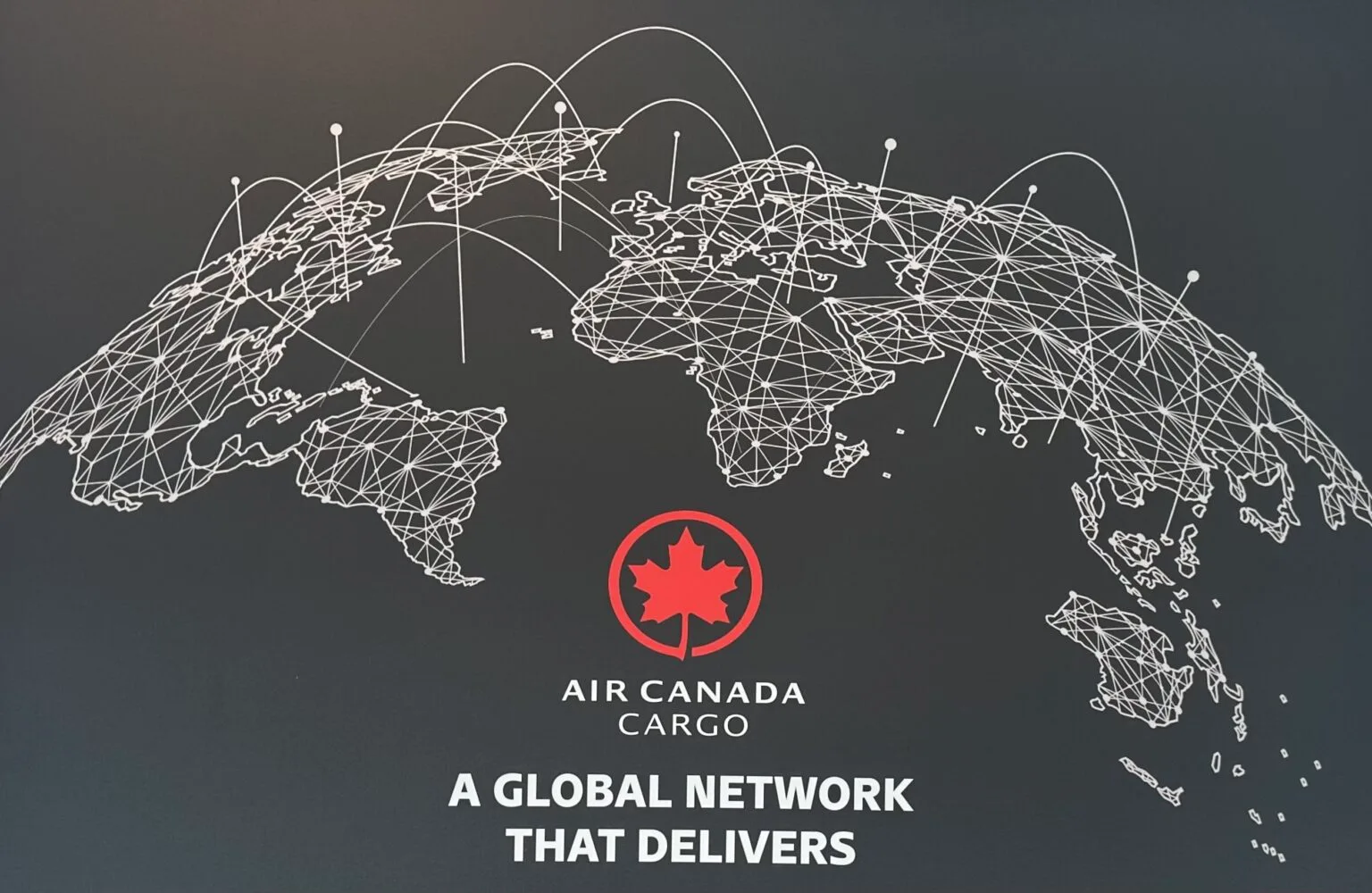 How Nearshoring and Policy Shifts Are Rewiring North American Airfreight Networks">

North American air cargo capacity now exceeds 100 weekly flights connecting Canada with the Asia‑Pacific region while northbound airfreight from Mexico into the United States and Canada has risen materially, driving renewed demand for temperature‑controlled space at YYZ and LHR and forcing carriers to reallocate lift and gateway resources.
Market shifts and immediate operational signs
Trade lanes are being redefined by policy signals and regional alignments rather than purely by spot rates or transit times. Carriers are responding to a more fragmented demand pattern: increased northbound flows from Mexico, bolstered transpacific rebound volumes, and diversification into Latin American points such as Guatemala City and Cartagena. These changes translate into concrete operational moves — new routings, frequency increases, and a heavier reliance on decentralised gateways to manage paperwork, trucking interlines and last‑mile handoffs.
Fő mérőszámok
| Metrikus | Érték |
| Weekly Canada–Asia‑Pacific flights | 100+ |
| Freighter on‑time performance improvement | +36% |
| Delay minutes reduction | -65% |
| Heathrow temp‑controlled capacity added | 900 sq ft |
| Toronto Pearson cold‑chain facility | 22,000 sq ft |
Nearshoring: Mexico’s rising logistical role
Nearshoring is no longer a buzzword — it’s a volume driver. The shift of manufacturing and high‑value assembly closer to North American demand centers has created a tangible uptick in airfreight shipments heading north from multiple Mexican gateways. Many of these consignments are time‑sensitive or high value, so the modal split is tilting towards air to meet delivery windows.
- Daily and on‑demand flights from Mexican origin cities have been added to support urgent shipments.
- Southern gateways are taking on more responsibility for consolidation, customs preclearance and expedited trucking connections.
- Carriers are creating flexible frequency schedules to respond to sporadic, high‑density northbound demand.
For logistics planners, that means rethinking inventory buffers and last‑mile carriers — the old one‑size‑fits‑all routing playbook just won’t cut it. If you’ve run a yard with seasonal peaks, you know that when volumes shift, the dominoes fall fast.
Transpacific rebalancing and route additions
Asia–North America trade has bounced back, but not to the exact same pattern as before. The corridor is being reshaped by policy changes and carrier network adjustments. New nonstop connections linking Seoul–Montréal and Osaka–Toronto, plus expanded frequency to Shanghai and Beijing, are examples of tactical capacity deployment to follow demand.
Meanwhile, carriers are adding or extending service to Singapore, Manila, and Bangkok and increasing Latin American coverage. The result is a more diversified route map that reduces single‑point risk but raises coordination complexity across interline partners and trucking legs.
Operational constraints and responses
Labor shortages and infrastructure bottlenecks that intensified in 2025 remain relevant. Carriers are countering with improved scheduling analytics, dedicated traffic management, and 24/7 network support that monitors the majority of cargo connections. These capabilities facilitate faster re‑routing decisions and tighter control on pre‑departure optimisation.
- Analytics: Demand signal detection and capacity forecasting.
- Traffic management: Optimising flows up to 48 hours before departure.
- Network resilience: Self‑handled stations and interline trucking integrations to absorb disruptions.
Investments shaping the medium term
Behind the schedule changes, carriers are making deliberate investments in fleet, cold‑chain, and digital systems. The broader fleet plan includes a mix of A220s, 787‑10s, and A321XLRs, with more than 90 new aircraft planned across several years. These types offer both fuel efficiency and the operational flexibility needed for mixed passenger/freighter and freighter operations.
Cold‑chain capacity grew in response to surging pharmaceutical and perishables volumes. New temperature‑controlled facilities and certification programs have become essential to sustain healthcare and high‑compliance shipments.
Where technology matters
Digital investments are not flashy nice‑to‑haves — they are core to competitive positioning. Projects in AI‑driven capacity forecasting, dynamic pricing, cloud‑based customer service integrated with CRM, and cargo integration platforms for direct marketplace connections are now priorities to ensure rapid response to both demand swings and regulatory changes.
Gyakorlati következmények a logisztikai szolgáltatók számára
Logistics operators and freight forwarders should expect:
- Greater need for flexible capacity booking and on‑demand uplift options.
- Higher premium on cold‑chain compliance and verified handling credentials.
- More complex intermodal handoffs as decentralised gateways increase.
Put simply: agility and visibility are king. If you run shipments the same way you did five years ago, you’ll likely be late to the party.
Summary highlights and real‑world relevance
The important takeaways are clear: nearshoring is lifting northbound airfreight from Mexico, the transpacific corridor is being rebalanced through targetted frequency and new routings, and carriers are investing in fleet, cold‑chain, and AI to stay responsive. Even the best market intelligence can’t replace boots‑on‑the‑ground experience — seeing a hub handle a surge or a cold‑chain breakdown teaches lessons you can’t fully capture in a spreadsheet. On GetTransport.com, you can order your cargo transportation at the best prices globally at reasonable prices. For your next cargo transportation, consider the convenience and reliability of GetTransport.com. Book now GetTransport.com.com
Forecasting the global impact: these shifts are most significant regionally rather than universally. Globally, the changes are a piece in a larger puzzle of supply‑chain realignment, but for North American importers, exporters and carriers they represent meaningful operational and commercial consequences. GetTransport.com tracks such developments and offers affordable, global cargo transportation solutions — from office and home moves to large‑item and bulky freight — helping logistics teams adapt without overspending.
In conclusion, the freight landscape is being rewritten by geopolitics, nearshoring and regulatory signals. Carriers and forwarding partners must prioritise rugalmasság, digital visibility és cold‑chain capability while accepting that networks will remain fluid. For shippers and logistics managers looking for reliable, cost‑effective transport, platforms like GetTransport.com provide practical options for cargo, fuvarozás, szállítás, szállítás, szállítás and all aspects of modern logisztika — from shipping and forwarding to haulage, courier and palletised distribution — making relocation, moving and international dispatch easier and more predictable.