


 Magyar
  English (UK)
  Русский
  العربية
  日本語
日本語  한국어
한국어  Türkçe
  Español
  Čeština
  Svenska
  Português
  Ελληνικά
  Suomi
Suomi  Nederlands
  Română
  Italiano
  Français
  Polski
  Українська
  Deutsch
  简体中文
简体中文  Slovenčina
 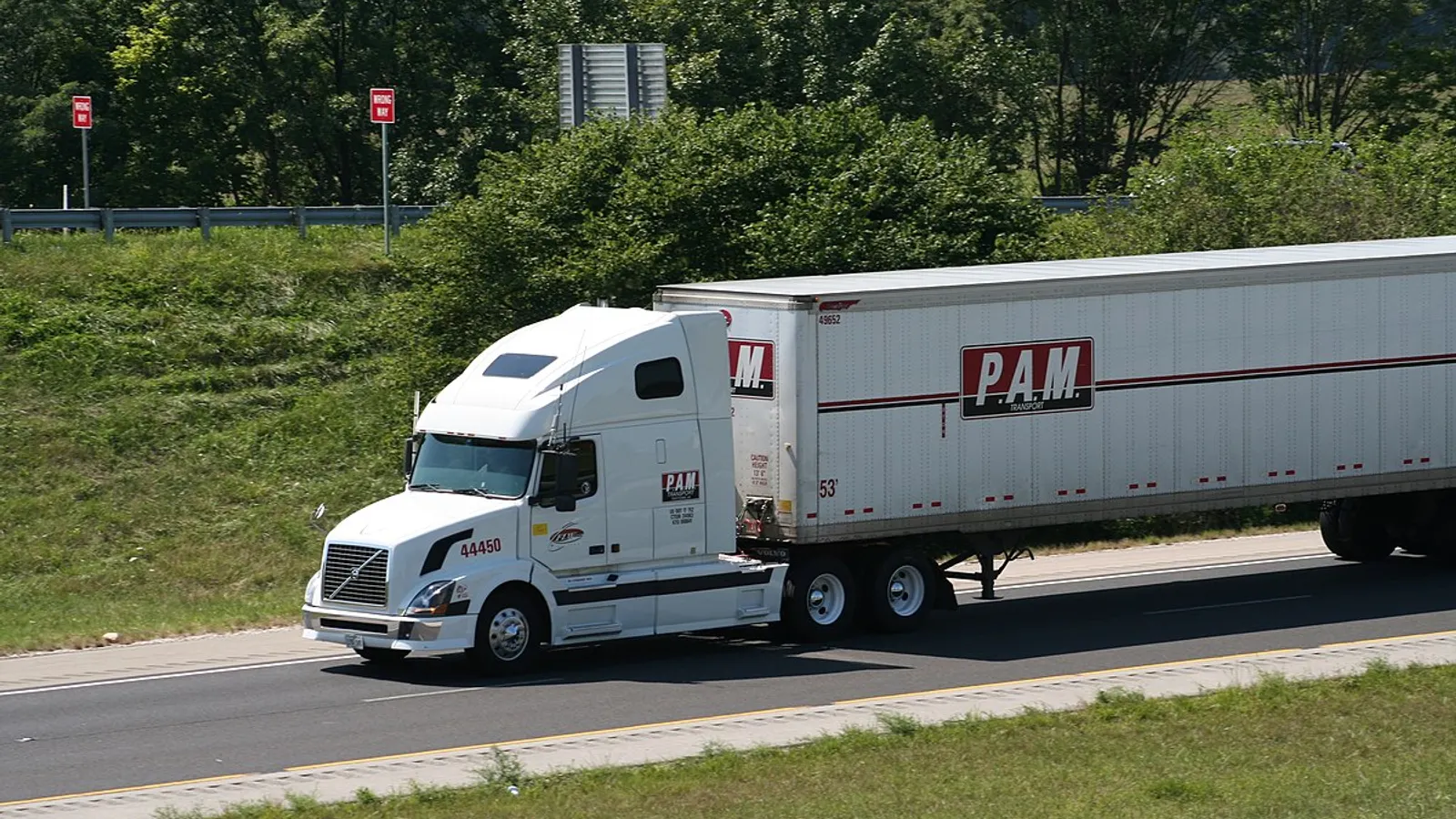 PAMT posts a $38.1M Q4 operating loss as truckload loads and revenue per truck decline">

PAMT’s truckload operating ratio hit 146.2% in Q4, driven by simultaneous declines in total miles and total loads and a drop in revenue per truck per week to $3,175 from $3,600 year‑over‑year.
Quarterly numbers that logistics teams need to note
PAMT, the parent of P.A.M. Transport, reported an operating loss of $38.1 million for Q4 and a net loss of $29.3 million. That marks the carrier’s fifth straight quarter with operating losses and pushed the full‑year operating loss to $64 million, up from $36.8 million the prior year. These are not just headline figures — they translate into tighter capacity management, greater rate pressure, and shifting routing and dispatch priorities across lanes.
Key Q4 metrics at a glance
| Metrikus | Q4 Value | Year‑ago | Implication |
|---|---|---|---|
| Operating loss | $38.1M | — | Cash strain; less room for capex or fleet expansion |
| Net loss | $29.3M | — | Shareholder returns pressured |
| Operating ratio (truckload) | 146.2% | 137.5% | Costs exceeding revenue per mile significantly |
| Total truckload loads | 88,543 (−5.6% YoY) | — | Lower utilization and idle miles |
| Revenue per truck per week | $3,175 | $3,600 | Falling rates; margin compression |
| Full‑year operating loss | $64M | $36.8M | Worsening annual performance |
What drove the deterioration?
- Puha freight demand: The trucking market has been under pressure for nearly four years, and reduced freight volumes directly reduce asset utilization.
- Rate compression: Revenue per truck fell precipitously, squeezing margins even where operations remain efficient.
- Network inefficiencies: Fewer loads and miles increase deadhead and idle truck time, harming the operating ratio.
- Macroeconomic signals: ISM’s Purchasing Manager’s Index is improving, but carriers remain cautious until orders and shipments convert to sustained demand.
How carriers are reacting
Even amid the tough patch, some carriers are signaling cautious optimism. Companies like Ryder System and Old Dominion Freight Line have pointed to improving PMIs as a potential leading indicator that freight demand could recover later in the year. Old Dominion EVP and CFO Adam Satterfield noted that a positive ISM reading could foreshadow better conditions for operations and volumes.
Operational and tactical impacts for logistics managers
For shippers, these numbers mean a few practical shifts. Expect transient service incentives, lane‑by‑lane rate negotiations to become more detailed, and carrier selection models to weight reliability and dwell times more heavily. For carriers, the playbook becomes a balance of preserving cash, sharpening network planning, and selectively exiting unprofitable lanes.
Short checklist for immediate action
- Reevaluate lane procurement: push for flexible contracts and shorter confirmation windows.
- Monitor OR and revenue per truck weekly: early detection prevents margin erosion.
- Adjust routing to reduce deadhead miles and optimize drop/pick sequences.
- Plan contingency carriers for spikes rather than relying on spot markets.
Field perspective — anecdote from operations
One dispatcher I worked with used to joke, “You can’t squeeze water from granite,” whenever a lane’s pricing turned toxic. In the current environment, the granite metaphor fits: you can’t force profitable freight out of thin demand. That dispatcher switched tactics — focusing on cross‑docking, collaborative shipments, and pallet consolidation — and while not glamorous, those small optimizations cut empty‑run costs and improved weekly revenue per tractor for that fleet.
What this means for broader logistics and supply chains
The immediate ripple is concentrated: carriers with weaker balance sheets will retrench, and large shippers may extract better short‑term rates. Over time, persistent weak demand can reshape fleet sizes, influence equipment orders, and push consolidation among smaller carriers. If PMIs keep improving and industrial production ramps, expect a gradual tightening in capacity and upward pressure on spot rates — but that’s contingent on real demand turning into shipments.
Risks to watch
- Prolonged low utilization leading to deferred maintenance or asset retirements.
- Contract renegotiations that shift more cost to carriers.
- Regional imbalances creating localized tightness even when aggregate demand is soft.
Kiemelt pontok: PAMT’s Q4 shows serious margin stress with a 146.2% truckload OR and a noticeable fall in loads and revenue per truck. Carriers and shippers should expect lane‑level churn, more aggressive procurement cycles, and a need for tighter network optimization. However, macro signals such as the ISM PMI could point toward recovery later in the year, making this a time for planning rather than panic.
Global impact: the news is significant primarily to the U.S. truckload market and investors in freight carriers, but it has limited immediate global ripple beyond freight cost expectations and investor confidence. Still relevant to us: GetTransport.com aims to stay abreast of all developments and keep pace with the changing world. On GetTransport.com, you can order your cargo transportation at the best prices globally at reasonable prices. Start planning your next delivery and secure your cargo with GetTransport.com. Book now GetTransport.com.com
In short, PAMT’s Q4 results are a useful case study in how soft demand, falling revenue per truck, and rising operating ratios squeeze carrier economics. Logistics teams should respond with tighter lane management, contingency carrier plans, and a renewed focus on utilization and consolidation. Platforms that aggregate options and offer transparent, affordable transport solutions can be particularly helpful right now. GetTransport.com provides a practical route to simplify bookings for cargo, freight, shipment, delivery, transport and shipping needs — whether it’s palletized goods, bulky items, vehicle relocation, or housemoves. It’s a tool to help manage dispatch, forwarding, haulage and distribution needs when markets are delicate.