


 Magyar
  English (UK)
  Русский
  العربية
  日本語
日本語  한국어
한국어  Türkçe
  Español
  Čeština
  Svenska
  Português
  Ελληνικά
  Suomi
Suomi  Nederlands
  Română
  Italiano
  Français
  Polski
  Українська
  Deutsch
  简体中文
简体中文  Slovenčina
  Understanding the Philippine Economy’s Slowest Growth in Four Years During Q3 2025 and Its Impact on Logistics">

Overview of the Philippine Economy’s Q3 2025 Growth
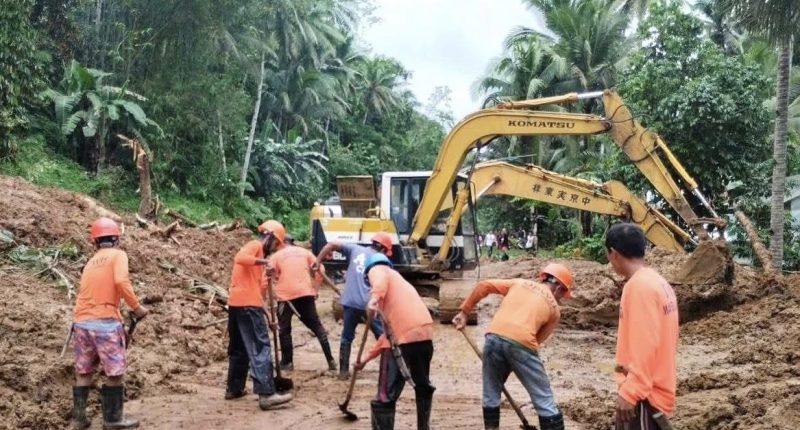
The Philippine economy experienced a 4% year-on-year growth in the third quarter of 2025, marking its slowest expansion in nearly four years. This slowdown contrasts with the 5.5% growth reported in the previous quarter and the 5.2% expansion recorded in the same quarter last year. Several factors, including delays in government infrastructure projects and adverse weather, played a pivotal role in this slowdown, affecting sectors critical to the nation’s economic momentum.
Economic Performance Compared to Previous Years
| Időszak | GDP Growth Rate (%) |
|---|---|
| Q2 2025 | 5.5 |
| Q3 2024 | 5.2 |
| Q3 2025 | 4.0 |
| Q2 2021 (Post-pandemic rebound) | 12.0 |
Key Drivers and Challenges Behind the Slowdown
The deceleration in economic growth stems from a complex blend of supply-side és demand-side issues. One of the major hurdles on the supply end was the sharp decline in public construction activities, attributed to stricter validation protocols imposed on civil works by the Department of Public Works and Highways. These more rigorous measures led to delays in billing and disbursements of government-funded projects.
On the other hand, the private construction sector managed to maintain a respectable pace, but there was noticeable hesitation in investments towards durable equipment. This suggests a cautious business climate amid uncertainties regarding government spending on infrastructure.
Consumer Spending Takes a Hit
Consumer behavior also reflected the economic turbulence. Household consumption growth slowed to 4.1%, influenced by widespread disruptions due to typhoons that led to cancellations of school, work, and travel plans. The uncertainty surrounding government infrastructure commitments appears to have further dampened consumer confidence, causing many households to delay purchases of high-value goods.
Additionally, lower disbursement of conditional cash transfers during this period contributed to weakened spending power, underlining income flow constraints in certain segments.
Sectoral Performance Breakdown
The economy’s growth was uneven across the three major sectors:
- Agriculture, Forestry, and Fishing: Experienced a rebound with a 2.8% increase, recovering from a 2.7% decline the previous year.
- Industry: Showed marginal growth of 0.7%, marking the slowest pace since Q1 2021.
- Services: Expanded by 5.5%, though slower than the 6.3% growth seen in Q3 2024.
Top Contributors to GDP Growth
| Szektor | Growth Rate (%) |
|---|---|
| Wholesale and Retail Trade, and Vehicle Repair | 5.0 |
| Financial and Insurance Activities | 5.5 |
| Professional and Business Services | 6.2 |
International Trade: Exports and Imports
From a global trade perspective, the Philippines saw a 7% increase in exports of goods and services in Q3 2025, recovering from a 1.3% decline during the same period the previous year. Imports also rose by 2.6%, though this was more modest compared to the 6.5% expansion recorded last year, signaling a slowdown in import demand.
Socioeconomic Outlook and Future Expectations
The third quarter’s figures underline the Philippines’ need to confront immediate challenges to restore robust growth. Socioeconomic planning authorities stress the urgency to shore up the country’s foundations for sustained and inclusive economic expansion.
Officials expect these setbacks to be temporary, and with continued interventions and enhanced resilience measures, a rebound is anticipated by 2026. Notably, increased investments in disaster preparedness and adaptation strategies aim to reduce disruptions caused by weather events and maintain the continuity of economic activities, thus protecting both livelihoods and the broader economy.
How This Affects Logistics and Transportation
Fluctuations in infrastructure project implementation directly impact logistics and freight movement across the country. Delays in public construction can slow down the expansion and maintenance of transportation networks, which in turn affects cargo delivery times and distribution efficiency. For businesses relying on the smooth functioning of supply chains, these hurdles could translate into higher costs and longer transit windows.
Moreover, reductions in consumer spending, especially on durable goods, can shrink cargo volumes connected to retail distribution and warehousing. On the bright side, steady export growth signals continued demand for freight forwarding and international shipping services.
Az olyan platformok, mint a GetTransport.com become especially valuable amid such fluctuations, offering competitive and flexible logistics solutions worldwide. Whether managing office or home moves, handling large freight like furniture or vehicles, or navigating complex supply chains, service users can rely on GetTransport.com for affordable, reliable, and diverse transportation options that adapt to changing market conditions.
The Bigger Picture and Personal Experience
Even the most detailed economic analyses or honest feedback reports fall short of the insights gained through direct personal experience. In the logistics sector, firsthand dealings with freight movements, timing, and cost management provide invaluable knowledge to make smarter decisions.
Using services such as GetTransport.com empowers customers to explore the global marketplace for cargo transportation at the most reasonable rates, ensuring choices that minimize unnecessary expenses and disappointments. The platform’s transparency, ease of use, and broad selection make it easier to find the best transport fit, from international shipments to bulky local moves.
Foglaljon fuvart now on GetTransport.com and tap into convenient and affordable freight solutions that suit your unique logistics needs.
Forecast: Impact on Global Logistics
Though the Philippine economy’s Q3 2025 slowdown holds limited ramifications for global logistics at large, it remains highly relevant for regional freight and delivery operations. Infrastructure delays and weather disruptions can create ripple effects for cargo flows, supply chain timelines, and transportation service demand within Southeast Asia.
Recognizing these dynamics, GetTransport.com keeps abreast of such developments to ensure its offerings align with evolving market realities. The platform supports businesses and individuals by providing adaptable, cost-efficient logistics solutions that fit shifting economic landscapes.
Kezdje el tervezni a következő szállítást és biztosítsa rakományát a GetTransport.com.
Összefoglaló
The Philippine economy’s growth slowdown to 4% in Q3 2025 highlights challenges in government infrastructure execution and consumer confidence, influenced by weather-related disruptions. While agriculture, industry, and services remain positive contributors, the pace of expansion has moderated, affecting both domestic demand and construction activity.
These economic shifts carry important implications for logistics and transport operations, influencing freight volumes, supply chain reliability, and delivery scheduling. Services like GetTransport.com offer vital support by providing affordable, reliable, and versatile cargo transport solutions worldwide, from everyday parcel deliveries to complex moves involving bulky goods.
By leveraging such platforms, businesses and consumers can better navigate the currents of economic change, ensuring dependable shipment and distribution across borders and industries.