


 Magyar
  English (UK)
  Русский
  العربية
  日本語
日本語  한국어
한국어  Türkçe
  Español
  Čeština
  Svenska
  Português
  Ελληνικά
  Suomi
Suomi  Nederlands
  Română
  Italiano
  Français
  Polski
  Українська
  Deutsch
  简体中文
简体中文  Slovenčina
 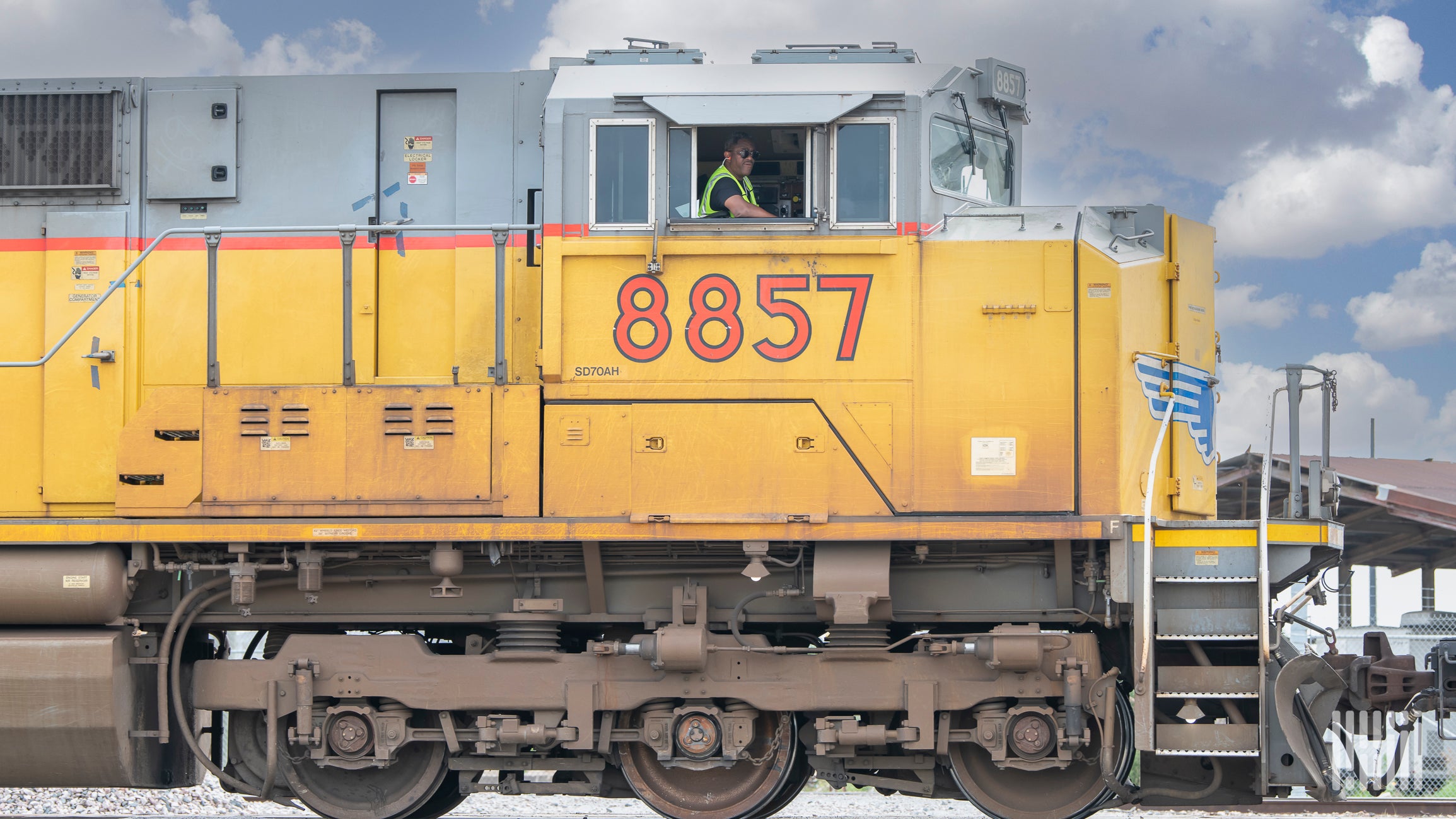 Major Rail Unions Challenge Union Pacific and Norfolk Southern’s Landmark Merger Plans">

Railway Merger Sparks Union Opposition
A proposed $85 billion merger between Union Pacific and Norfolk Southern, aiming to create the first transcontinental rail system, has met strong resistance from two major U.S. railroad unions. The Brotherhood of Locomotive Engineers and Trainmen (BLET) and the Brotherhood of Maintenance of Way Employes Division have raised alarms over potential safety hazards, rising freight prices, and supply chain disruptions tied to this historic consolidation.
Unions’ Safety and Service Concerns
The unions’ central argument hinges on the fear that the merger would degrade safety standards and reduce service quality for shippers. They point out that the consolidated railroad could delegate less profitable routes servicing small towns, factories, and farms to short line railroads while piling slow-moving, miles-long trains on the main line. This shift, the unions warn, risks making rail transport less desirable — leaving customers stuck with a grim choice between costly rail freight or trucking alternatives.
BLET’s National President Mark Wallace captured this worry succinctly, suggesting the merged network “will make shipping by rail less attractive,” impacting local economies and freight reliability.
Efficiency Promised — But Will It Deliver?
The rail companies, in contrast, champion the merger as a means to streamline freight flow and slash transit delays and costs. A key selling point is the elimination of interchanges between railroads at congested hubs such as Chicago — a bottleneck notorious for slowing shipments. By uniting networks into a single line, proponents argue that shippers could expect faster deliveries and lower expenses.
Nonetheless, skepticism remains. Some agricultural and chemical trade groups involved in shipping express concerns over an increasingly monopolistic rail market that could trigger freight rate hikes or service disruptions. BNSF, a competitor railroad, has also voiced unease about fair market competition post-merger.
Job Security and Union Promises
The merger deal has tried to secure labor support by promising job protections. Union Pacific has pledged that every union employee at the time of the merger would retain a position, formalizing a “jobs-for-life” agreement with multiple unions — including SMART-TD, the nation’s largest rail labor organization. However, critics highlight gaps such as the absence of seniority protections and relocation cost coverage, fueling union opposition despite these pledges.
| Stakeholder | Pozíció | Main Concerns or Benefits |
|---|---|---|
| BLET & Brotherhood of Maintenance of Way | Oppose | Safety risks, job security, service quality decline |
| Union Pacific & Norfolk Southern | Support | Efficiency gains, reduced delays and costs |
| Agricultural and Chemical Shippers | Oppose | Higher freight rates, market competition concerns |
| BNSF Railway (Competitor) | Oppose | Competitive market impact |
| Other Unions (SMART-TD, etc.) | Support | Job guarantees |
Preparing for Regulatory Review
The merger partners are gearing up to submit their formal application to the Surface Transportation Board (STB), the federal agency tasked with reviewing and approving railroad mergers. The STB will weigh the potential benefits against the risks and concerns raised by unions, shippers, and rivals. This regulatory step is a critical juncture that could define the future landscape of North American rail logistics.
Implications for Freight Movement and Logistics
If approved, this transcontinental rail system could reshape freight logistics by consolidating shipment routes and reducing handoff delays, a significant pain point in interline rail transport. For large-scale cargo operations, this could translate into more predictable schedules and streamlined delivery processes. However, the worries of safety compromises and job losses could introduce challenges in workforce stability and operational consistency.
The merger highlights an ongoing balancing act between scale-driven efficiency and the competitive dynamics crucial to healthy logistics markets. Logistics managers, freight forwarders, and shippers should watch these developments closely, as shifts in rail capacity and pricing structures can ripple through the supply chain, affecting delivery timelines and freight costs.
Merger Outlook and Industry Reflection
While opinions vary widely among stakeholders, the merger definitely underscores how deeply interconnected labor relations, safety standards, and competitive market forces are to the rail transport ecosystem. This story also opens a bigger conversation about how major logistical providers adapt in a landscape demanding faster, safer, and more cost-effective freight movement across vast distances.
Miért fontosak még a személyes tapasztalatok
Despite all the insights from union statements, corporate promises, and watchdog analyses, nothing beats experiencing logistics providers firsthand. Platforms like GetTransport.com offer a practical way to tap into competitive global cargo transport rates and services, removing the guesswork and helping businesses and individuals make well-informed decisions. Whether moving offices, relocating homes, or handling bulky freight like vehicles and furniture, the ease and transparency of booking through such services shed light on the true picture beyond reviews and industry chatter.
By providing access to affordable and versatile transportation options, GetTransport.com showcases how the complex world of freight hauling can be navigated simply and effectively. Book your ride with GetTransport.com and experience logistics that works for you.
Looking Ahead: What This Means for Global Logistics
This merger, while primarily impacting the U.S. rail sector, serves as a reminder of how consolidation in any major transport mode can influence freight dynamics worldwide. Although it may not radically shift global logistics frameworks, staying informed about such developments keeps industry players nimble amid change. As GetTransport.com continually monitors these shifts, customers are assured of receiving up-to-date, efficient solutions for transporting cargo, regardless of market fluctuations.
Kezdje el tervezni a következő szállítást, és biztosítsa rakományát a GetTransport.com segítségével.
Összefoglaló
The proposed merger between Union Pacific and Norfolk Southern sparks debate around safety, pricing, service quality, and labor concerns. While proponents anticipate faster, more efficient rail freight by eliminating interchanges, opponents fear increased risks and reduced competition. This development highlights the delicate balance in logistics between scaling capacity and maintaining market choice and safety. For anyone involved in freight shipping, understanding these shifts is crucial.
GetTransport.com aligns perfectly with the need for reliable, cost-effective, and transparent transport solutions in such a changing environment. Whether managing international shipments, relocation, or bulky cargo movement, the platform offers users an accessible way to navigate global freight logistics efficiently.