


 Magyar
  English (UK)
  Русский
  العربية
  日本語
日本語  한국어
한국어  Türkçe
  Español
  Čeština
  Svenska
  Português
  Ελληνικά
  Suomi
Suomi  Nederlands
  Română
  Italiano
  Français
  Polski
  Українська
  Deutsch
  简体中文
简体中文  Slovenčina
 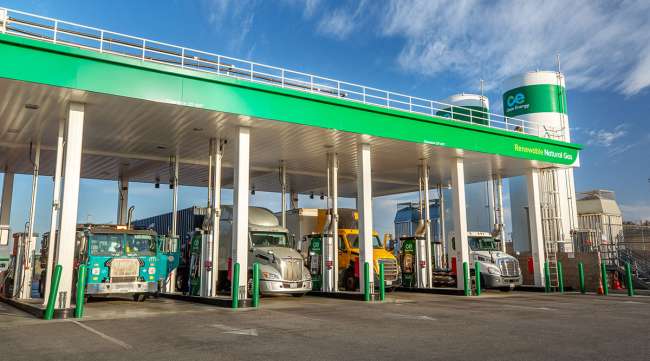 Renewable Natural Gas Drives Innovation and Efficiency in Heavy-Duty Trucking Fleets">

A megújuló földgáz térnyerése a nehézgépjármű-szállításban
Megújuló földgáz (RNG) egyre nagyobb figyelmet kap, mint a nehézgépjármű-flották számára sorsfordító megoldás. A Cummins új, nagy teljesítményű X15N földgázmotorjához hasonló fejlesztéseknek, valamint az RNG-töltő infrastruktúra szélesebb körű bővülésének köszönhetően a szállítmányozók egyre több okot – és útvonalat – találnak arra, hogy áttérjenek erre a tisztább üzemanyag-alternatívára.
Nagy teljesítményű motorok találkoznak a fenntartható üzemanyaggal
A bevezetése a Cummins X15N 15 literes földgázmotor új lendületet adott a sűrített földgáz (CNG) és a megújuló földgáz (RNG) előnyeit maximalizálni kívánó flottáknak. Ez a motor elég erős ahhoz, hogy megbirkózzon az igényes, hosszú távú útvonalakkal, amelyeket korábban kizárólag dízel teherautók uraltak.
A logisztika és csomagkézbesítés terén vezető UPS már alkalmazza ezt a technológiát, és RNG-vel működő vontatókat integrált a flottájába ott, ahol korábban a dízel dominált. Ez a lépés nemcsak a fenntarthatósági célokkal van összhangban, hanem az is célja, hogy tartsa a frontot a teljes birtoklási költség (TBK), ami kulcsfontosságú tényező, amikor a flották üzemanyag- és technológiaváltáson gondolkodnak.
Együttműködő ökoszisztémák a sikeres RNG-hez
Az RNG járművek bevetése nem csupán magukról a teherautókról szól. Inkább egy jól olajozott zenekar összeállításához hasonlít, amely magában foglalja a fuvarozók, teherautógyártók, üzemanyagrendszer-szállítók, karbantartó csapatok és RNG-termelők közötti partnerségeket. Az erős, megbízható partnerségek biztosítják, hogy az RNG beszerzése, szállítása és felhasználása költséghatékonyan és megbízhatóan történjen.
A flottakezelők hangsúlyozzák, hogy e kapcsolatok fenntartása kritikus fontosságú az RNG technológia fejlődésével párhuzamosan, és ahogy a valós bevezetés új kihívásokat és lehetőségeket tár fel. Ez az együttműködésen alapuló megközelítés elengedhetetlen a járművezetők mozgásban tartásához és a költségek kezelhető szinten tartásához.
Költségek, teljesítmény és infrastruktúra egyensúlyban tartása
Természetesen egy nyilvánvaló probléma a kezdeti beruházás. A 15 literes földgázmotorokkal és speciális üzemanyag-ellátó rendszereikkel felszerelt teherautók ára magasabb, mint a tipikus dízelüzemű járműveké. Néhány flottakezelő megjegyezte, hogy a magasabb berendezésköltség azt jelenti, hogy a teljes birtoklási költség kezdetben magasabb lehet, de az üzemanyag-megtakarítás idővel gyakran ellensúlyozza ezt.
Az üzemanyagárak változékonysága azonban bonyolítja a döntéseket. Az RNG és a földgáz ára általában 1,50-2,00 dollárral kevesebb egy dízel gallon egyenértékre (DGE) vetítve, de ennek az árrésnek az előrejelzése évekre előre olyan, mintha szerencsejátékoznánk. A karbantartási szerződéseket, az üzemanyag-ellátási szerződéseket és a flottahasználati stratégiákat gondosan meg kell tervezni a kockázatok csökkentése érdekében.
| Tényező | Földgázzal hajtott teherautók | Dízel teherautók |
|---|---|---|
| Kezdeti járműköltség | Magasabb (a motor és az üzemanyagrendszer miatt) | Alsó |
| Üzemanyagköltség DGE-nként | Általában 1,50–2,00 USD-vel olcsóbb | Magasabb és kevésbé kiszámítható |
| Teljes birtoklási költség | Hosszú távon kedvező, magas futásteljesítménnyel | Stabil, de magasabb üzemanyagköltségek mellett |
| Karbantartási komplexitás | Speciális támogatást igényelhet | Már bejáratottabb |
A befektetésarányos megtérülés maximalizálása intelligens működéssel
A befektetés megtérülésének felgyorsításának egyik módja a slip-seating—több sofőr használja ugyanazt a teherautót műszakokban a kihasználtság növelése érdekében. Ez a stratégia gondos koordinációt igényel a szállítókkal az átvételi időpontok tekintetében, valamint egy rugalmas, nagy futásteljesítményű útvonaltervet, hogy a teherautók szinte éjjel-nappal mozgásban maradjanak.
A nagy futásteljesítményű flották számára a RNG gazdaságossága a leggyorsabban megtérülő, mivel az üzemanyag-megtakarítás naponta halmozódik. Mindazonáltal a karbantartás, a járművezetők képzése és az üzemanyag-infrastruktúra továbbra is a hatékony RNG flottaüzemeltetés pillérei.
A megújuló földgáz (RNG) termelésének és üzemanyag-ellátó infrastruktúrájának bővítése
A színfalak mögött olyan beszállítók, mint a Clean Energy Fuels és a Nopetro Energy, fokozzák a megújuló földgáz (RNG) termelését, amely gyakran olyan szerves hulladékforrásokból származik, mint a tejgazdaságok és a hulladéklerakók. Ez a megközelítés nemcsak a hulladék metánt – egy erős üvegházhatású gázt – alakítja át hasznos, alacsony szén-dioxid-kibocsátású üzemanyaggá, hanem segít a flottáknak a növekvő környezetvédelmi és fenntarthatósági célok elérésében is.
A Clean Energy Fuels különböző államokban megvalósuló projektjei várhatóan évente több millió gallon RNG-t termelnek, amely számos haszongépjárművet, köztük nehézgépjárműveket, városi buszokat és speciális flottákat fog üzemanyaggal ellátni Észak-Amerika több mint 600 töltőállomásból álló hálózatán keresztül.
Az RNG-ellátás fő előnyei
- Szerves hulladékból származó metánt hasznosít, csökkentve az üvegházhatású gázokat
- A megújuló földgáz (RNG) versenyképes és kiszámítható költségekkel érhető el a dízelhez képest
- Egyre bővülő nyilvános és magán üzemanyagtöltő állomások hálózatát szolgálja ki
- Támogatja a flották fenntarthatósági céljait “karbonnegatív” üzemanyag-lehetőségekkel
Infrastrukturális növekedés: Csővezetékek és üzemanyagtöltő állomások
Az Egyesült Államokban közel 3 millió mérföldnyi földgázvezeték található, ezért a töltőállomások – mind nyilvánosak, mind privátak – létesítése kivitelezhetőbb, mint azt gondolnánk. Több mint 1200 CNG- és LNG-állomás szolgálja már most is az észak-amerikai flottákat, és az olyan termelési újítások, mint a fülke mögötti üzemanyagrendszerek, javították az üzemanyag-ellátórendszerek hatékonyságát, aerodinamikáját és a teherautók súlycsökkentését.
A méretezett üzemanyag-ellátó infrastruktúrába történő stratégiai befektetés segít kordában tartani a költségeket – az üzemanyagrendszer kapacitásának túlméretezése tízezrekkel növelheti a felesleges kiadásokat.
Környezeti hatás és hosszú távú kilátások
Az RNG környezeti előnye abból adódik, hogy képes befogni és újrahasznosítani a metánt, egy üvegházhatású gázt, amely sokszorosan erősebb a szén-dioxidnál, megakadályozva annak légkörbe jutását. Az RNG alacsony szén-dioxid kibocsátása, vagy akár karbon-negatív lábnyoma nem csak gazdaságilag teszi vonzóvá, hanem a flották fenntarthatósági stratégiáinak létfontosságú elemeként is.
Megújuló földgáz: Környezeti előnyök egy pillantással
- A hulladéklerakókból, mezőgazdasági területekről és szerves hulladékból származó metán újrahasznosítása
- Jelentősen csökkenti az üvegházhatású gázok kibocsátását
- Lehetővé teszi a tisztább működést a logisztika és a teherszállítás terén
- Összhangban van a vállalati környezetvédelmi célokkal és szabályozásokkal
Kihívások és gyakorlati megfontolások
Ezen biztató jelek ellenére a CNG elterjesztése olyan akadályok leküzdését igényli, mint a magasabb kezdeti járműberuházás és az üzemanyag-feltöltési ütemezések összehangolása. Azonban, ahogy egyre több szereplő fektet be az infrastruktúrába és a technológia fejlődik, várhatóan ezek a problémák csökkennek, ami zökkenőmentesebb utat teremt a szélesebb körű flottabevezetésekhez.
Summary and Logistics Implications
A megújuló földgáz jelentős helyet vív ki magának a nehézgépjármű-szállítás területén a motorinnovációk és a fenntartható üzemanyagforrások összekapcsolásával. A kombinált hatás javítja a flottagazdálkodást, elősegíti a környezetvédelmet, és támogatja a logisztikai és szállítmányozási szolgáltatók változó igényeit.
A logisztikai szakemberek számára ez új optimalizálási lehetőségeket jelent. árufuvarozás, szállítási hatékonyság és környezetvédelmi megfelelés. A megújuló földgáz (RNG) infrastruktúra és technológia bővítése a megbízhatóság és a költséghatékonyság növelését ígéri az áruszállítás terén, a regionális kiszállításoktól a nemzetközi árumozgatásig.
Bár a vélemények, esettanulmányok és szakértői vélemények szilárd alapot nyújtanak az RNG hatásának megértéséhez, semmi sem ér fel a közvetlen tapasztalattal. A GetTransport.com-hoz hasonló platformokon a felhasználók a legjobb globális árakon fedezhetik fel a különféle áruszállítási lehetőségeket. Ez lehetővé teszi az üzemeltetők számára, hogy tájékozott döntéseket hozzanak anélkül, hogy csődbe mennének vagy meglepetésekbe ütköznének. A GetTransport.com által kínált átláthatóság, megfizethetőség és a járművek széles választéka tökéletesen kiegészíti az RNG növekvő vonzerejét a mai logisztikában. Foglalja le a fuvarját GetTransport.com.
Bár a globális logisztikai szektor az RNG-t csupán egy fejlődő elemeként tekintheti egy hatalmas kirakósnak, a jelentősége vitathatatlan. A GetTransport.com-nál az ilyen fejlesztésekkel való lépéstartás biztosítja, hogy a platform továbbra is megbízható, környezettudatos és költséghatékony szállítási megoldásokat nyújtson egy gyorsan változó világban. Kezdje el tervezni a következő kézbesítését, és biztosítsa rakományát a GetTransport.com-mal.
Lényegében a megújuló földgáz nem csupán egy üzemanyagtípus helyettesítése – hanem a teherszállítás tájakon átívelő módjának átformálása a fenntarthatóság és a hatékonyság jegyében. A motorerő terén elért áttörésektől kezdve a megújuló hulladékból származó, bővülő üzemanyagtöltő hálózatokig ez az üzemanyag eszközt ad a logisztikai szolgáltatóknak, hogy okosabban és tisztábban szállítsák az árukat. Bárki számára, aki érintett a szállítmányozási, fuvarozási, elosztási vagy költöztetési szolgáltatások, az RNG-trendek figyelése olyan, mintha puskád lenne a jövőbiztos közlekedéshez.