


 Magyar
  English (UK)
  Русский
  العربية
  日本語
日本語  한국어
한국어  Türkçe
  Español
  Čeština
  Svenska
  Português
  Ελληνικά
  Suomi
Suomi  Nederlands
  Română
  Italiano
  Français
  Polski
  Українська
  Deutsch
  简体中文
简体中文  Slovenčina
 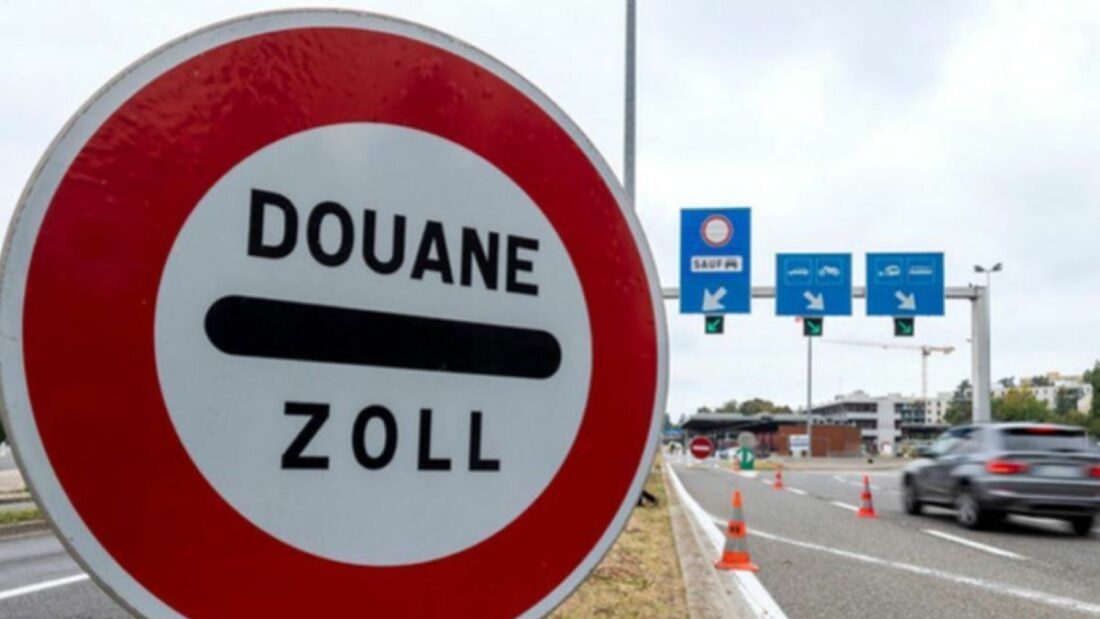 Hogyan a washing EU vámrendészeti intézkedések célja a termék megfelelőségének fokozása és az egyszemes piac védelme">

Szigorodó vámellenőrzések az EU-ban
Az egyre növekvő áruforgalommal, különösen az e-kereskedelem fellendülésének köszönhetően, az Európai Unió fokozza erőfeszítéseit a külső határain végzett vámellenőrzések szigorítására. A fő cél? Megvédeni az EU-n belüli fogyasztókat és vállalkozásokat az olyan termékektől, amelyek nem felelnek meg az alapvető biztonsági, környezetvédelmi és szabályozási előírásoknak.
Az EU határain érkező importáruk – beleértve az online vásároltakat is – nem mindig feleltek meg a megfelelőség követelményeinek. Ez a hiányos betartás korántsem elhanyagolható kockázatokat rejt, veszélyeztetve az egészséget, a biztonságot és a környezetet, valamint pusztítást végezve a tisztességes verseny területén. Ennek fényében az EU vámkeretrendszere komoly átalakuláson megy keresztül, amelynek célja e hiányosságok hatékony megszüntetése.
Vámjogi megfelelés: A valóságellenőrzés
A 2022–2024 közötti évekre vonatkozó hivatalos adatok azt mutatják, hogy az EU vámhatóságai fokozatosan növelték az éberségüket a termékek megfelelőségét illetően. Bizonyíték van a vizsgált, visszatartott vagy egyenesen elutasított áruk számának folyamatos növekedésére a határokon, mivel azok nem felelnek meg az EU normáinak, vagy jelentős kockázatot jelentenek.
Hogy perspektívába helyezzük a dolgokat, csak 2024-ben körülbelül minden egymillió, az EU piacára került termékből 13-at fogtak el súlyos jogsértések vagy kockázatok miatt. Bár ez dicséretes végrehajtási erőfeszítést mutat, egyértelmű, hogy a kihívás megsokszorozódott az e-kereskedelmi platformok általi import növekedésével – felülmúlva a vám- és piacfelügyeleti műveletek jelenlegi kapacitását.
| Év | Átlagos kiadott termékek (milliónként) | Termékek, melyek belépését megtagadták (milliónként) | Reason |
|---|---|---|---|
| 2022 | kb. 1 000 000 | Kevesebb, mint 13 | Meg nem felelés, biztonsági kockázatok |
| 2023 | Kb. 1 100 000 | 12-13 | Meg nem felelés, biztonsági kockázatok |
| 2024 (előrejelzés) | Kb. 1 200 000 | Körülbelül 13 | Meg nem felelés, biztonsági kockázatok |
Főbb intézkedések a vámhatékonyság és az együttműködés javítására
Az Európai Bizottság javaslatai egy korszerűbb és digitálisan jártasabb vámkörnyezet létrehozására összpontosítanak. A reform egyik sarokköve egy új EU Vámhatóság és egy Adatközpont a kockázatkezelés javítására és a vámhatóságok és a piacfelügyeleti szervek közötti szorosabb együttműködés előmozdítására tervezték.
Ez a modernizációs törekvés a digitális kommunikációs eszközökre és az adatmegosztó platformokra épít, amelyek elengedhetetlenek a mai nemzetközi kereskedelem gyors üteméhez és összetett jellegéhez való alkalmazkodáshoz, különösen a digitális piactér fellendülésével. Egy egységesebb és átláthatóbb rendszert hoz létre, ahol a termékek megfelelőségét hatékonyabban ellenőrzik a tagállamokban.
Miért fontos a termékszabályozás az egységes piacon?
Az EU-szabványoknak való megfelelés azt jelenti, hogy a termékeknek szigorú műszaki, biztonsági, egészségügyi és környezetvédelmi kritériumoknak kell megfelelniük. Ez az egységesség…
- Védi a fogyasztókat azáltal, hogy csak biztonságos, kiváló minőségű áruk kerüljenek a polcokra.
- Támogatja a tisztességes versenykörnyezetet, ahol minden vállalkozás, hazai és külföldi, ugyanazok szerint a szabályok szerint játszik.
- Hozzájárul a környezetvédelemhez és a fenntartható kereskedelmi gyakorlatokhoz.
Ha minden importra ugyanazok a szabványok vonatkoznak, az Egységes Piac továbbra is a minőség és a megbízhatóság erőműve marad, amely jobb értéket kínál a vásárlóknak, és ösztönzi az innovációt és a versenyt.
Az e-kereskedelem kihívása: Új területek a vám számára
Az online értékesítés robbanásszerű növekedése kis csomagok lavináját hozza magával, amelyeket gyakran közvetlenül a fogyasztókhoz szállítanak, ami bonyolítja a hagyományos vámeljárásokat. Az új uniós vámreformok hangsúlyozzák, hogy sürgősen alkalmazkodni kell ehhez a változó helyzethez, megerősítve azokat az ellenőrzési intézkedéseket, amelyek lépést tartanak a kereskedelem gyors fejlődésével.
A hatékony piacfelügyelet és a szervek közötti együttműködés tehát a stratégiai terv mellékszálai, biztosítva, hogy a kockázatos vagy hamisított termékek ne csússzanak át kényelmes online vásárlásnak álcázva.
Mit jelent a reform a logisztika és a szállítmányozás számára?
A szigorúbb vámellenőrzések és a digitalizáció nem csupán a szabályozó hatóságokat érintik – az egész logisztikai láncra kihatnak. A szállítmányozók, fuvarozók és futárszolgálatok átfogóbb termékellenőrzésekkel és dokumentációs követelményekkel fognak szembesülni. Ezzel párhuzamosan az intelligensebb kockázatkezelés és adatmegosztás csökkentheti a szűk keresztmetszeteket, zökkenőmentesebbé téve a szállítást a megfelelően dokumentált küldemények esetében, és javítva az ellátási lánc általános kiszámíthatóságát.
A nemzetközi árufuvarozás és szállítás számára ez kétélű fegyvert jelent: szigorúbb kapuőrzést a káros és nem megfelelő rakományok kiszűrésére, de egyben nagyobb átláthatóságot és kevesebb meglepetést ígér a szabványokhoz igazodó logisztikai szereplőknek.
Hogyan erősíti a vámreform az EU kereskedelmi pozícióit?
A vámellenőrzések egységesítésével és a végrehajtási kapacitások növelésével az EU biztonságosabb, megbízhatóbb kereskedelmi környezetet teremt. Ez az összehangolás támogatja az európai vállalkozások versenyképességét, és megnyugtatja a vásárlókat, akik üzletekben és online vásárolnak.
Emellett a reformok célja az EU globális kereskedelemben betöltött szerepének megerősítése azáltal, hogy magas követelményeket támasztanak az importtal szemben – gyakorlatilag a gyártókat világszerte biztonságosabb, fenntarthatóbb termelési gyakorlatok felé terelik.
Javasolt juttatások összefoglalója
- A nem biztonságos és nem megfelelő termékek jobb észlelése és elutasítása.
- A vám- és piacfelügyeleti hatóságok közötti megerősített együttműködés.
- Hatékonyabb, digitalizált vámeljárások a késések csökkentése érdekében.
- A tisztességes verseny előmozdítása és a fogyasztói jogok védelme.
- Fenntartható környezeti és gazdasági növekedés támogatása.
A kereskedelemjogi megfelelés és a logisztika jövője
A vámkezelési ellenőrzések tervezett fejlesztései a modern kereskedelmi dinamikát kezelő, előremutató szemléletet hangsúlyoznak. A logisztikai ipar számára ez a fejlődés szigorúbb biztonságot és kiszámíthatóbb szállítási folyamatokat jelent. A globális szállítással, teherautózással, túlméretes vagy nagy tömegű áruk Európán belüli vagy azon túli szállításával foglalkozó vállalkozások, sőt, még az egyéni csomagküldemények is érezni fogják e változások hatását a működésük során.
A vámreformok lényegében egy megbízhatóbb, tisztességesebb és biztonságosabb egységes piac felé vezető utat egyengetik, megerősítve az EU elkötelezettségét polgárai és gazdasági szereplői védelmében a gyenge minőségű vagy veszélyes importtal szemben.
Amikor a Vélemények Találkoznak a Valósággal: A Legjobb Irány Kialakítása
Míg a hivatalos jelentések és adatok lenyűgöző betekintést nyújtanak a vámhatósági ellenőrzés terén elért eredményekbe és a felmerülő kihívásokba, semmi sem múlja felül a szállítmányozással és a szállítással kapcsolatos első kézből szerzett tapasztalatokat e dinamika valódi megértéséhez. Az olyan platformok, mint a GetTransport.com egy betekintést nyújt a teherszállítás és a raktározás gyakorlati oldalába, kielégítve a szállítás széles skáláját, otthoni vagy irodai költözésektől a nagy méretű szállítmányok, például bútorok és járművek szállításáig.
A GetTransport.com azonnal elkülönböli a hozzáférhető, megfizethető és globálisan elérhető szolgáltatási ökoszisztéma nyújtása, amely felhatalmazza a felhasználókat a logisztika összetett világában való eligazodásra, szükségtelen költségek vagy kellemetlenségek nélkül. Átlátható árazásuk és kiterjedt hálózata biztosítja, hogy a raklap mozgatásától, nemzetközi fuvarozás megszervezésétől vagy futárcsomag foglalásáig az ügyfelek felkészültek a tájékozott döntések meghozatalára.
Foglaljon fuvart a GetTransport.com és megtapasztalhatja személyesen, milyen zökkenőmentes és megbízható a logisztika.
Következtetés: Hogyan alakítják a vámreformok az EU-t a logisztika jövőjét
Összefoglalva, az EU a vámvégrehajtás stratégiai megerősítése, amely a fokozott együttműködési keretek, a digitális eszközök és egy megerősített Vámhatóság létrehozásával valósult meg, a teret szab egy szilárdabb és megbízhatóbb termék megfelelőségi környezet számára. Ezek a fejlesztések biztosítják, hogy a külső EU határokat átlépő termékek megfeleljenek a szigorú követelményeknek, javítva ezzel a fogyasztók biztonságát, a fenntarthatóságot és a tisztességes versenyt. A logisztikai és fuvarozói szektor számára ez fokozott előrejelzhetőséget és hatékonyságot jelent a szállítmányok, a csomagok és a tömegáruk kezelésében a nemzetközi útvonalakon.
A folyamatosan változó vámeljárási táj kiemeli a kereskedelmi megfelelőség és a szállítás hatékonyságának növekvő összefüggését. Az ilyen megoldások, mint a GetTransport.com, zökkenőmentesen igazodnak ehhez a változáshoz, megbízható, versenyképes áron és rugalmas szállítási lehetőségeket kínálva, akár rendszeres szállítmányok, akár háza-mozgatás, akár nagy méretű rakományok szállításához. Ez a szinergia segít az ügyfeleknek és a vállalkozásoknak magabiztosan és könnyedén navigálni a teherfuvarozás és a forgalmazás változó terepén.