


 Magyar
  English (UK)
  Русский
  العربية
  日本語
日本語  한국어
한국어  Türkçe
  Español
  Čeština
  Svenska
  Português
  Ελληνικά
  Suomi
Suomi  Nederlands
  Română
  Italiano
  Français
  Polski
  Українська
  Deutsch
  简体中文
简体中文  Slovenčina
 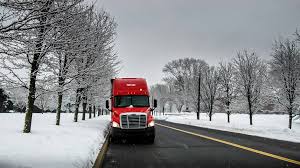 How Winter Storm Fern Could Disrupt Freight, Power and Regional Transport">

This piece reveals the likely impacts of Winter Storm Fern on roads, power and freight movement across a broad swath from Georgia to Texas and up the Eastern Seaboard. Expect an assessment of where ice matters most and what shippers, carriers and utilities should watch.
Timing, scope and the 24‑hour clarity window
Meteorologists often get a much clearer picture about 24 hours before a winter system arrives, and Fern is no different. The areas under threat are largely unchanged, but the confidence in exact accumulations — and whether a given city gets ice or snow — tightens in that window. That makes the day before the storm a crucial planning moment for anyone who moves goods or relies on uninterrupted power.
The I‑40 dividing line
One of the cleaner geographic cues here is Interstate I‑40, which largely separates heavier snow to the north from a wintry mix and freezing rain to the south. Areas directly south of I‑40 could see up to about 0.5″ of ice while the immediate corridor faces mixed precipitation. For logistics, that narrow band is a big deal: it can turn a once-routine route into a choke point for regional freight.
Why even small amounts of ice punch above their weight
Ice is deceptively damaging. A mere quarter‑inch can load limbs and lines enough to cause breakage. In heavily wooded corridors, a single falling limb can take down multiple spans of line, creating long, complex restoration efforts. For businesses and warehouses, that translates into potential loss of heating, refrigeration problems for perishables, and production downtime.
Utilities and staged response
Utility companies are pre‑staging crews and equipment, but those assets can only move and work if roads are passable and conditions are safe. Restoration timelines depend on how much ice accumulation actually occurs and how long subfreezing temperatures linger after the storm. When roads are slick, repair work slows; when visibility drops, safety margins expand — and outages stretch on.
Immediate transportation impacts
Ice on interstates and secondary roads reduces speeds, forces reroutes, and can lead to full closures. That’s a very blunt instrument against supply chains that often operate on thin margins and tight schedules. Trucking firms may cancel runs, warehouses will reschedule pickups, and ports or rail yards could see cascading delays from missed connections.
| Régió | Expected Precip | Primary Logistics Impact |
|---|---|---|
| Southeast (GA, AL, parts of FL) | Freezing rain / light ice | Limited road treatment, slower response; missed pickups, local haulage delays |
| South of I‑40 | Up to 0.5″ of ice | Power outages; secondary roads impassable; rerouting around corridors |
| North of I‑40 | Significant snow | Reduced speeds, chain/traction requirements, longer transit times |
| North Texas / urban centers west | Wintry mix and freezing rain | Pre‑treatment needed; urban congestion complicates emergency response |
| Northeast | Snow with very cold temps | Power failure risk; falling trees; long restoration in subzero temps |
Why the Southeast faces unique challenges
Southern states typically have fewer snowplows and smaller salt inventories than northern neighbors. When freezing rain persists, road treatments struggle to keep pace. Even short closures along major freight corridors create ripple effects — missed pickups and delayed deliveries can easily translate into lost productivity for manufacturers and retailers relying on just‑in‑time supply chains.
North Texas preparation
Municipalities in North Texas are pre‑treating roads, coordinating emergency services and planning for vulnerable populations in case temperatures plunge. Remember: systems that are robust in places that see frequent winter weather can still be overwhelmed in regions where such events are rarer. It’s the old saying — when push comes to shove, the system with less redundancy gets squeezed first.
Cold extremes in the Northeast: a different kind of threat
Further up the coast the problem shifts. The Northeast is built for snow, but extremely low temperatures introduce another hazard: frozen sap can make trees brittle, increasing the risk of snapped trunks and downed lines. In subzero conditions, outages are sharper and the human cost can rise quickly when heating fails.
- For carriers: Plan alternate routes, expect speed reductions, and prepare contingency driver schedules.
- For shippers: Communicate with customers about possible delays; prioritize critical loads and perishables.
- For warehouses and terminals: Protect temperature‑sensitive inventory and coordinate with carriers for adjusted pickup windows.
Practical steps for logistics teams
There are smart, practical moves to limit pain. Preemptively rescheduling non‑critical shipments, staging drivers closer to terminals, and increasing buffer times for deliveries reduce domino effects. In short: plan for a few days of disruption, and you’re likely to dodge the worst of it.
Quick checklist
- Review critical routes that cross I‑40 and identify alternatives.
- Prioritize temperature‑sensitive loads and communicate ETA changes.
- Confirm driver rest locations and contingency housing if outages occur.
- Coordinate with utilities and local agencies for route clearance updates.
- Monitor live weather and DOT advisories; never push a driver into unsafe conditions.
One more thing — it’s often “better safe than sorry.” Logistics managers who’ve been caught flatfooted before tend to treat these forecasts like gold. A small change in accumulation predictions can mean a big difference in operational choices.
GetTransport.com can be a practical ally here, offering affordable global cargo transportation solutions — whether you need office or home moves, bulky item transport, vehicle transit, or standard freight delivery. Their flexibility helps planners adjust quickly when routes change or delays pile up.
Provide a short forecast on how this news could impact the global logistics. If it’s insignificant globally, please mention that. However, highlight that it’s still relevant to us, as GetTransport.com aims to stay abreast of all developments and keep pace with the changing world. On GetTransport.com, you can order your cargo transportation at the best prices globally at reasonable prices; even the best reviews and the most honest feedback can’t replace your own test drive of a service. This empowers you to make the most informed decision without unnecessary expenses or disappointments. For your next cargo transportation, consider the convenience and reliability of GetTransport.com. Book now GetTransport.com.com
In short, Winter Storm Fern has the potential to cause localized but significant disruption: ice accumulation can topple lines, roads may freeze and immobilize truck movements, and power outages can ripple through supply chains. Carriers should expect delayed freight and be ready to reroute or pause shipments; shippers should prepare for disrupted deliveries, especially for temperature‑sensitive goods. When all is said and done, having flexible options for transport, forwarding and haulage is what keeps the wheels turning — and platforms that offer transparent, affordable choices make that task far easier. GetTransport.com aligns with this need by simplifying parcel, pallet and bulky item transport, supporting international and domestic moving, and helping businesses and individuals secure reliable, cost‑effective delivery and distribution services for freight, shipment and relocation needs.