


 Magyar
  English (UK)
  Русский
  العربية
  日本語
日本語  한국어
한국어  Türkçe
  Español
  Čeština
  Svenska
  Português
  Ελληνικά
  Suomi
Suomi  Nederlands
  Română
  Italiano
  Français
  Polski
  Українська
  Deutsch
  简体中文
简体中文  Slovenčina
  Opening Warehouse Doors to Disabled Workers – An Interview with Amanda Hedberg">

Recommendation: implement a targeted accommodations program in your facility, starting with a 90-day pilot on two production lines to measure impact on productivity, safety, and morale.
Begin with a clear plan: identify particular tasks where skilled staff can excel via accommodations, then provide focused training and adjustable accommodations that do not slow workflow. Track velocity gains and set timeframes for review, aiming for improvements in productivity without compromising safety. Monitor updates to ROI as you learn what works best in real conditions across factories and different lines.
Different lines in the facility should be tested in a controlled 90-day pilot, featuring measurable targets: reduce downtime by a given percentage, increase first-pass yield, and improve employee engagement. Ensure that each plan is tailored to a particular role and that supervision receives clear guidance on how to adjust task sequencing to address needs across teams.
Timeframes for scaling should be based on data; use updates from supervisors and employees to iterate. Avoid punitive measures; ensure equity across shifts; track completion of training milestones; and document the learning curve as you expand beyond the initial facility into other sites, including factories of different sizes.
Ultimately, a well-designed program yields a fair balance between individual needs and productivity goals. When employees receive proper accommodations, the reduction in unnecessary back-and-forth lowers the time spent on adjustments, enabling teams to do more and experience less delay than before. The result is a more resilient operation that values contributions, enhances safety, and keeps velocity high across all lines.
Practical takeaways from Amanda Hedberg on tech-enabled inclusion in warehouses
Launch a 90-day pilot in two sites to test agvs and mcfs for large-item handling, with doors for controlled access and clear signage. Track metrics daily, including throughput per hour, error rate, and safety incidents, and report progress monthly to national leadership.
- Background and talent: broaden outreach to those from varied living backgrounds; those candidates can excel when given micro-credentials and on-site coaching. Create part-time entry paths with a clear ladder to full-time roles; monitor time-to-proficiency and retention, aiming for a 15–25% ramp-down in onboarding time.
- Technology pairing: replace heavy lifting with agvs and mcfs to move large vehicles; designate settings and zones to minimize crossing paths, and ensure doorways and signage support safe navigation. Target a 20–30% increase in throughput and a 10–15% reduction in incidents.
- Inclusion policy: feha-aligned guidelines, transparent recruitment calls, and a focus on fair treatment across levels. Use metrics to compare outcomes across national and regional sites; vary shift patterns to accommodate different preferences and life situations; emphasize team respect and collaboration.
- Data and metrics: emphasize real-time dashboards tracking throughput, dwell times, task accuracy, and safety events. Compute ROI per site and across companys; map those integrated into living career ladders and monitor leary risk indicators to adjust quickly.
- National rollout readiness: after pilots succeed, scale across warehousing sites; build supplier and community partnerships to expand talent pools; keep partnerships with training providers to sustain diverse pipelines; measure what works across geographies.
- Offer and progression: provide clear opportunities for growth and cross-training to strengthen the team; track conversion from part-time to full-time roles and celebrate progress with regular feedback loops.
Which warehouse roles benefit most from assistive technology and why
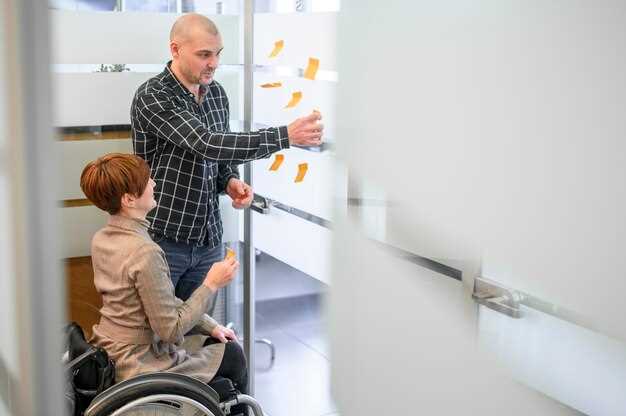
Recommendation: Target order selectors, packers, and receiving staff first, then expand to inventory control and quality checks. Start with a small set of projects, measure before and after results, then scale across the operation. A call to action for employers: this approach is efficient and focused, while building a foundation for broader adoption across the supply network. This approach found consistent gains across shifts.
In practice, voice-directed picking, handheld scanners, smart displays, and ergonomic lifting aids reduce fatigue and improve accuracy. In pilot trials, picker throughput rose 20–30%, while item miscounts dropped 25–40%. The equipment also lowers injury risk for the feet, back, and shoulders, improving living conditions on long shifts and boosting morale. There, workers feel more confident performing tasks thanks to reduced strain.
The first priority is handling high-frequency items and fragile goods. For items stored on tall racks, robotic arms and automated pallet jacks minimize reach, reduce face-to-face strain, and shorten travel time. For returns and restocking, barcode and RFID systems speed checks and improve accountability, building a clearer audit trail through the processes. In each case, the technology supports a talent pool that would otherwise struggle to meet benchmarks.
Implementation steps: map tasks where errors occur, design three options for assistive tech, and run a 6–8 week evaluation. Before launching, gather input from employees and stakeholders, then tailor training to different learning paces. Reviews should cover efficiency, safety, and social impact, ensuring living standards improve and there is reasonable accommodation across shifts. This approach would be easier to scale when leadership calls for continuous improvement across projects.
Impact on employment reviews: first-quarter gains show reductions in absenteeism, longer-term retention, and a broader path for people who possess diverse talents. The process supports everyone on the floor and helps talent explore new career options inside the organization, while items flow through systems more reliably and call to action opportunities become easier to manage.
Door access: automation, thresholds, and ramp considerations
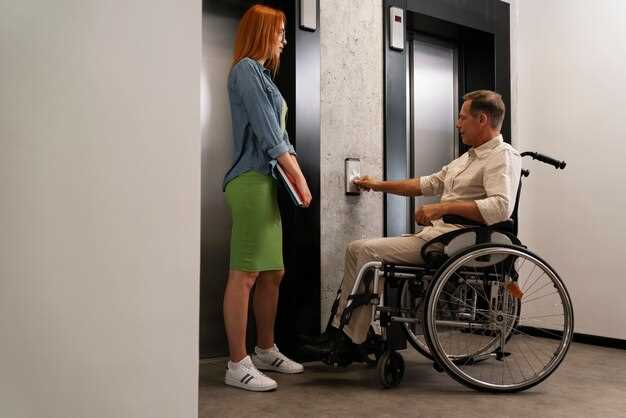
Install sensor-activated, hands-free access controls at all primary entry points, include fail-safe electro-mechanical locks and credentialing channels (cards or mobile). Preserve a minimum clear width of 36 inches and keep thresholds no higher than 1/2 inch, beveled to a gentle slope. Include a power backup and a 3-second auto-close to balance security and mobility. Today, start with a pilot in one zone, then scale facility-wide. This approach supports today’s usage while enabling phased upgrades across the facility.
Key design parameters and data: ramp slope should not exceed 1:12 (8.3%); landings every 30 inches of rise and a minimum clear width of 36 inches. Exterior threshold height should be under 1/2 inch; if exceeded, bevel to a 1:2 ratio to create a gentle transition. Quite a few installations show the benefit of maintaining handrails on both sides from 34 to 38 inches above ramp surface. These definitions align with widely accepted accessibility standards and are relevant across population groups, from manufacturing floors to office clusters.
From a population perspective, automated access reduces touchpoints, improving safety for everyone. Facts gathered from facilities and organizations show automation reduces touchpoint counts by 70–80% in the first quarter after rollout. A consulting vice president can help define definitions and standards, ensuring the design remains suited for the group, the user segments, and the broader organization. Incredibly, even modestly staffed sites see measurable gains in efficiency when thresholds and workload alignment are addressed. These gains are often greater than expectations.
Education and training: create short, focused sessions that explain how to use the entry points, what to do during power loss, and how to request assistance. The training should run today, with follow-up sessions shortly after to capture feedback. Everyone must understand the limits and safety protocols; assign each site a responsible person to review and update the system as required. This approach keeps everyone informed and avoids ambiguity, while enabling tasks per group and staying within moderate budgets and timelines. If issues arise, call the dedicated support line for urgent help.
Maintenance, measurement, and governance: define channels for reporting issues, track facts, and maintain channel assignments. The population served by the facility benefits as the system remains relevant to their needs, as well as to education and training programs. The designers must ensure that changes respect the limits of existing infrastructure, though upgrades can be phased and prioritized by group and task location. Ourselves should monitor and adjust thresholds and ramp lengths as needed to support continuous access and safety across organizations.
Wearables and hands-free devices for picking and packing
Implement lightweight on-glove wearables paired with a voice-guided scanner to bring real-time instructions into the picking flow, allowing entering data without hand contact. Choose a reliable platform. This plan will warrant low maintenance. Run a one-week pilot today in a single facility to establish baseline velocity gains and measure impact on accuracy and fatigue.
Adopt a phased rollout that respects a diverse workforce. analyzing SKU variability, layout constraints, and training needs helps set achievable szintek of performance. The employment pathway should support unemployed workers entering the labor market today és igazítsd a companys befoglalási célok. Biztosítson állítható formátumokat, kesztyűméreteket és felhasználói felület módokat a szerepek és műszakok közötti súrlódások minimalizálása érdekében.
Ez lehetőséget teremt a funkciók közötti adatmegosztásra, javítva a láthatóságot és a döntéshozatal sebességét a munkahelyen. Biztosítsa a kapcsolódást. reliable és mindig-bekapcsolva, offline módokkal a nagy sűrűségű területeken. Hozzunk létre egy visszacsatoló hurkot, amely a fogadáshoz, csomagoláshoz és szállítási eseményeket rögzít, hogy elősegítse a creative munkafolyamat-módosítások.
Készítsen előkészített befejezés terv a régebbi szkennerekre, és vezessen be egy egységes platformot a létesítményben a fragmentáció minimalizálása érdekében. Illessze össze az eszközcseréket az IT irányítvánnyal a leállások csökkentése és a folyamatos fejlesztés támogatása érdekében a workforce.
Határozza meg a KPI-kat: velocity, pontosság, üzemidő és felhasználói elégedettség. Kövesse nyomon a... szintek a bevezetést a csapatok között és figyelemmel kíséri a hatást foglalkoztatás folyamatosság. Használjon adatokat a kibocsátás fokozására a minőség megőrzése mellett. Egy creative Az onboarding megközelítés segít a különböző csoportoknak alkalmazkodni, összehangolva a befektetéseket a companys a jövőt és a folyamatos növekedést biztosítja. workplace.
Hozzáférés biztosító szoftver: hangvezetés, nagy kijelzők és feliratok
Ajánlás: Hozzunk létre egy egységesített akadálymentességi profilt a fő szoftverekben, amely aktiválja a hangvezérlést a navigációhoz, lehetővé teszi a skálázható, nagy kontrasztú kijelzőket, és feliratot biztosít a multimédiás tartalmakhoz. Győződjünk meg róla, hogy minden vezérlőelemnek világos címkéje, ARIA-szerepei és előrejelhető billentyűzetfókusz sorrendje van a zajos munkahelyeken végzett ismétlődő feladatok támogatása érdekében.
Öt lépéses bevezetési terv: végezzen egy akadálymentességi auditot az egész rendszeren; válasszon ki egy hangvezérlő motort olyan nyelvi lehetőségekkel, amelyek megfelelnek a munkaerőnek; engedélyezze a betűméret növelését 72pt-ig, és engedélyezze a dinamikus átméretezést; engedélyezze feliratokat és átiratokat a képzési videókhoz; dokumentáljon egy rövid, gyakorlati képzési tervet, és jelöljön ki egy menedzsert a fejlődés nyomon követésére.
Címke- és polctervezés: igazítsa a digitális útmutatókat a fizikai polctartókhoz a kognitív terhelés csökkentése érdekében a folyosókon; használjon konzisztens termék- és feladatneveket a polcok és a polctartó szekciók között; kerülje a szakzsargont; tesztelje a tapasztalat áttekintésének igazságosságának és mindenki számára elérhetőségének biztosítása érdekében a munkatársak különböző csoportjaival, beleértve a alkalmi és rendszeres felhasználókat egyaránt.
david, a nemzeti IT vezető, megjegyzi, hogy az Akopyan cég a gyakorlati képzésre helyezett hangsúlynak köszönhetően jobb megtartást eredményez. A képzésnek tömörnek kell lennie, nagy hangsúlyt fektetve a funkciók tényleges feladatok során történő alkalmazására; a heti rendszerességű, ötperces mikro-session-ök növelik a bevonkodást és csökkentik a támogatási kéréseket. Érdemes bevonni a szociális szervezetek és a nemzeti szervek tagjait a folyamatok megerősítéséhez és a sokszínű munkahelyek támogatásához.
Mérés és irányítás: kövesse nyolc mérőszámot – feladatbefejezési idő, hibaráta, felhasználói elégedettség, felirat pontossága és a hozzáférhetőségi visszamaradás – és évente értékelje fel az eredményeket. Oszd meg a megállapításokat a vezetőkkel és azokat a befogadásra helyező szervezetekkel, majd állítsd be a szoftver profilját, a kéréseket és a megjelenítési beállításokat a különböző munkahelyeken a kevésbé nyilvánvaló akadályok csökkentése érdekében.
Kiképzés és betanítás: folyamatos támogatás a fogyatékos munkavállalók számára
Ajánlás: valósítsanak meg egy 6hetes betanulási tervet, amely a szinthez igazodó munkatevékenységekre összpontosít, valamint egy kijelölt mentort és heti rendszerességű találkozót a fejlődés felülvizsgálatához. Kezdjenek az első héten elsajátítandó alapokkal, majd fokozatosan növeljék a feladatok összetettségét, és nyomon kövessék a befejezési arányokbeli és hibacsökkentési javulásokat.
Konfigurálja a helyeket az akadálymentesség érdekében: helyezze át a gyakran használt tárgyakat elérhető polcokhoz, biztosítson állítható magasságú állványokat, javítsa a megvilágítást, és címkézze a helyeket nagy kontrasztú vizuális elemekkel. Használjon ellenőrzőlistákat annak biztosításához, hogy minden kritikus polc és zóna felkészült-e minden műszak előtt.
Azzonosítsa a korai akadályokat: kommunikációs hiányok, fáradtság és berendezésbeli hiányosságok; telepítsen egyszerű, közérthető tájékoztatókat, vizuális ütemterveket és nyugodt területeket; biztosítsa az igazságot azáltal, hogy garantálja a feladatokhoz és a berendezésekhez való egyenlő hozzáférést, lehetővé téve a feladatok igazságos elosztását.
Fejlesszük ki a készség-pipeline-t: ötvözzük a képzett kivitelezést a tapasztalt felügyelettel, vegyünk bele átképzést a kapcsolódó feladatokban, és használjunk valódi forgatókönyveket a James és Zimmerer csapatoktól a bevált gyakorlatok bemutatására. Kövessük a haladást a szinteken, és biztosítsuk a biztonságot lehetővé tevő eszközök és megfelelő járművek használata során.
Folyamatos támogatási struktúra: biztosítson ismétlő tréningeket, coaching-ot és igény szerinti erőforrásokat; tervezzen egy heti, a jövőbeli eseményekről szóló tájékoztatót; fenntartson visszacsatolási hurkot rövid hívások vagy chat-ek segítségével; mérje az munkakivitelezés minőségére, megtartóerejére és termelékenységére gyakorolt hatást.
Metrikák és növekedés: figyelje a hatást a szinteken, optimalizálja a terület kihasználását, és finomítsa a termékek kezelését. Foglalja bele a mérőszámokat, amelyek a sales hatásával és az ügyfél eredményeivel kapcsolatosak; alkalmazza a legjobb gyakorlatokat és dokumentálja a kapcsolódó szabályzatokat a York telephelyeken és más területeken való skálázáshoz.