


 Magyar
  English (UK)
  Русский
  العربية
  日本語
日本語  한국어
한국어  Türkçe
  Español
  Čeština
  Svenska
  Português
  Ελληνικά
  Suomi
Suomi  Nederlands
  Română
  Italiano
  Français
  Polski
  Українська
  Deutsch
  简体中文
简体中文  Slovenčina
 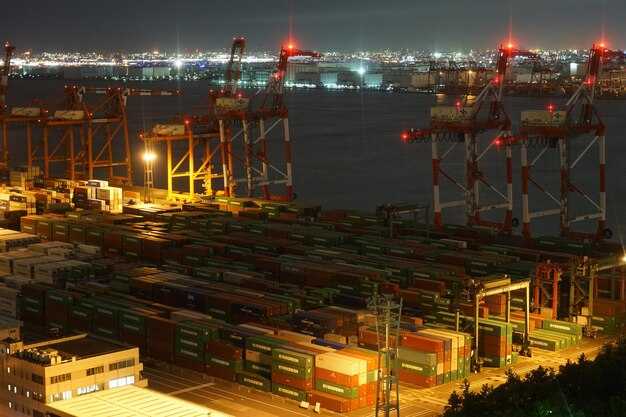 A Los Angeles-i kikötő júniusban rakományrekordot állított be a tarifákkal kapcsolatos aggodalmak közepette">

Recommendation: Recalibrate orders and raise inventory buffers to ride the congestion wave, and steer shipments into off-peak windows to stabilize flows during the six-month period.
During the six-month period, throughput at the seaport has been exceeding most prior benchmarks, with volumes supported by shippers and manufacturers, and congestion persisted on several days, shaping slower transit and occasional declines in speed across the regional hubs.
Briefing notes show policy shifts and import duties uncertainties continue to influence planning, yet demand remains resilient as manufacturers push more orders and shippers adjust schedules to overnight movements where feasible.
Shippers should target more predictable cadences: place orders earlier, coordinate with manufacturers, and leverage buffer stock to dampen disruptions when congestion flares near beach-adjacent terminals.
November trends suggest continued momentum in the global supply chain, with the strongest performances seen when carriers offer flexible sailing options and inland links align with the harbor’s daily pace over the next days.
Analysts stress that the six-month milestone underscores the need for proactive monitoring–briefing teams should track congestion, days with holdovers, and the ongoing impact on ships, containers, and orders to keep the outreach well-tuned to market signals.
Port of Los Angeles June Cargo Records and Tariff Implications
Recommendation: implement proactive contingency planning now. Lock in flexible labor agreements, align terminal operations with carrier windows, and hedge exposure to new import duties by diversifying origin lanes and accelerating inland transport if needed.
- Data snapshot: monthly volumes posted show roughly 2.0–2.4 million TEUs, up mid-single digits year over year; the average daily throughput sits near 65k–75k units, with overnight handling representing an increasing share of the flow.
- Implications for shippers and costs: inflation and labor pressures remain the strongest drivers of landed costs; while throughput remains elevated, the whipsaw between quote activity and contract pricing is a risk that requires proactive planning in the days ahead. Chinese-origin lanes continue to be a key component of this pattern, with Americans seeking diversified sourcing to reduce exposure.
- Industry voices and data interpretation: Thomas, a strategist with Freight Analytics, notes that policy opens in the second half could hinge on signals; Djavaheri emphasizes sensitivity to wage and energy shifts in the Chinese supply chain; both observers agree that monitoring policy developments is critical for routing decisions.
- Operational guidance for shippers: open slots ahead of potential congestion, lock capacity for the next 4–6 weeks, and maintain visibility across the supply chain; use overnight sailing options where available and coordinate with inland partners to reduce dwell times and days of stay.
- Outlook for Americans: monthly momentum remains strong, with volumes exceeding the same period last year; early indicators suggest continued expansion in core trade lanes, while inflation dynamics require price discipline and timely communications with suppliers to minimize cost spikes.
- Key takeaway: stability will come from advance opens, sustained collaboration among shippers, forwarders, and labor, and a disciplined approach to inventory and transport planning in the days ahead.
Strategic Coverage Plan for the June Record and Tariff Trends

Begin with a concrete directive: deliver two daily briefs quantifying tariff-influenced shifts in throughput, anchored by terminals data and published yard-by-yard snapshots. Use a fixed period window and compare with previous figures to reveal momentum.
Create three data streams: real-time totals from terminals for twenty-foot containers and other units; policy signals around tariff movements; and location-based narratives to show how opens, overnight shifts, and early-period changes unfold during the month.
Monitor declines in containerized volume by facility cluster; quantify whipsaw swings triggered by tariff announcements; analyze the engine behind shifts–labor constraints, holiday calendars, and orders; identify highest pressure points and extended delays; compare with the previous published figures to gauge momentum and risk; note trump-era policy influences that affect baseline expectations.
Social signals: track facebook chatter for sentiment shifts; set thomas as a data liaison to ensure direct feedback from field editors; cross-check with published metrics and maintain a rolling view.
Operational cadence: designate a rotating lead for topics, publish early-period briefs, maintain overnight updates, and keep a continued focus on container throughput; bring added context and show improvement; align with the overall strategy and holiday workload patterns.
Capture exact volume data: June total, container counts, and Long Beach comparison
Recommendation: pull the official briefing for the month and extract three precise figures: total TEUs, container counts, and a direct delta versus the neighboring western harbor complex anchored by Long Beach.
Data extraction checklist:
- Total TEUs for the month: [TOTAL_TEUS]
- Container counts: [CONTAINERS_LOADED], [CONTAINERS_EMPTY], [TOTAL_CONTAINERS]
- Long Beach comparison: [LB_TEUS], delta and percentage: [DELTA_TEUS], [PERCENT_DIFF]
- Time frame notes: [DATE_RANGE], include any adjustments for days when facilities were closed or limited
- Context cues: note whether imports rose or declined, and whether some components (like cars) drove a surge or drop
In june, imports showed renewed strength in the west, with americans bringing more goods than the prior month. The briefing indicates the month-to-month total above last period, signaling continued improvement for shippers and their networks, even as some segments eased into seasonality. To ensure accuracy, align the numbers with the same accounting unit and verify whether overnight adjustments were made for holiday closures or rail movements.
Context and interpretation guidance:
- If the june figures are above the same month last year, report the percentage rise and call out the drivers (consumer demand, seasonal uptick, and prior tariff chatter) that may have pushed imports higher.
- Compare to the neighboring harbor complex: if the Long Beach bar is above the west port’s total, explain the shift in volumes and potential supply-chain adjustments made by shippers and railroads to keep traffic flowing.
- Explain whether the move reflects broad inflation trends or a temporary spike; discuss what it implies for Americans and for retailers looking to bring goods in for the season.
- Note any changes in port operations that could contribute to a drop or continued declines in dwell times, and whether the improvement is supported by better gate efficiency and overnight trucking movements.
Additional context to frame the numbers:
- The month’s trajectory should be evaluated against the same period in previous years to gauge half-year momentum and the effect of tariffs discussions in policy circles; even if tariffs have not been enacted, expectations can influence planning among shippers and carriers.
- Look for signs of peak-season behavior: some categories rising more than others, aiding the overall total even as certain segments (like autos) show a quieter pace.
- Report whether the data points to a sustainable uptrend or a temporary peak, and state what stakeholders should monitor next (railroad throughput, berth availability, and harbor advisory updates).
Timeline and scope of tariffs: announced measures, affected commodities, and filing status
Act now: align inventories and secure alternate sources to weather upcoming levies. A phased set of levies was announced in june, and the cycle opens later this season. The west coast region faces the strongest congestion signals, making usual patterns less reliable; expect more variability in days and throughput while inventories shift to newer suppliers.
Timeline snapshot: initial notices targeted several categories; filings show statuses such as active, pending, and final determinations. A source close to the matter, Thomas teus, notes that around half of the actions involve consumer electronics and textiles, with heavier impact on twenty-foot containers that travel through inland corridors. The adózási outlook remains cautious, with a five-year horizon for adjustments and improvement; this suggests a steady pace rather than abrupt shifts, and manufacturers should plan around inventory aging and potential declines in throughput, particularly as congestion persists in the west.
Scope unfolds across clusters including electronics, machinery, auto parts, textiles, and home goods. The long twenty-foot containers were most impacted due to congestion and aging inventories; around more az áruk több mint fele a nyugati parti kikötőkön keresztül mozog, hangsúlyozva a near-shoring és az okosabb forrásválasztás szükségességét. A bejelentési állapot vegyes képet mutat: egyes sorok aktív eljárásokkal, mások befejezett szakaszokkal; days a felülvizsgálat megválaszolásra vár, miközben a reddit fórumok azt mutatják, hogy a korábban hatékonyan kezelt munkaterhelés bizonyos területeken javult, máshol pedig a teljesítmény csökkenése figyelhető meg; ez lehetőséget teremt a manufacturers a rendelések előzetes módosításához, előre a csúcsszezonra, valamint egy potenciális ötéves tervezési horizontra vonatkozóan; a forrásadatok alátámasztják ezeket a mintázatokat.
Konténerforgalom és kihasználtság: üres konténerek, tárolási idő, alváz elérhetőség és kikötői áteresztőképesség
Javaslat: prioritizálja az üres konténerek gyors visszajuttatását és a szinkronizált szállítást, hogy a nyugati kapunál a tartózkodási idő a jövő szerdára 3,2–3,4 napra csökkenjen; tartsa fenn a futóművek rendelkezésre állását 95%-on felül, hogy a teljesítmény napi 3500 TEU körül maradjon.
Környezet és mozgatórugók: a jelenlegi pénzügyi ciklus azt mutatja, hogy a leghatékonyabb áramlások a kiürített konténerek folyamatos utánpótlásától, a szárazföldi átvételek jól taktikázott időzítésétől és egy biztonságos alvázkészlettől függenek. A bejövő egységek körülbelül 40%-a kiürített konténer, amelynek aránya a szezon során a kereskedelmi volumenek csúcsra járatásával általában emelkedik. A korábbi minták egy globális mintára mutatnak, ahol a kiürített konténerek újrahasználata és a vasúti átrakodások a legnagyobb nyereséget generálják, feltéve, hogy ugyanaz az operatív ritmus megmarad a telephelyeken és a vasúton. A szerdai átvizsgálás képei ugyanazt a tendenciát mutatják: gyorsabb átfutási idők, amikor az átvételek a kapuk nyitvatartási idejéhez igazodnak, és a telephely áteresztőképessége jóval a korábbi szintek felett marad.
Djavaheri; a korábbi adatok és az év végi előrejelzések kombinációi azt mutatják, hogy a leghatékonyabb lépések továbbra is a koordinált felvételi tervekre, a folyamatos belföldi áramlásra és a húszlábas egységek stabil utánpótlására támaszkodnak. A szokásos reakció továbbra is az üres konténerek előtérbe helyezése, a magasabb kihasználtságú időszakok kiválasztása és a belföldi lerakatokhoz való erős vasúti kapcsolat fenntartása, hogy a teljesítmény növekedjen, miközben a várakozási idő csökken.
| Metrikus | Current | Előző | Cél | Akció |
|---|---|---|---|---|
| Üres konténerek aránya a bejövő egységeken belül | 40% | 38% | 42% | Növeljük a telephelyre való visszaszállítás hatékonyságát; szinkronizáljuk a kapun beléptetést a szárazföldi átvételi időpontokkal |
| Tartózkodási idő (nap) | 3.6 | 4.1 | 3.2 | Gyorsítsa fel a be- és kihajtást; igazítsa a vasúti menetrendhez és a szerdai fuvarozási ciklusokhoz |
| Alváz elérhetőség | 92% | 90% | 98% | Növeljük a tartalékkészletet; koordináljunk a belföldi raktárbázisokkal és vasutakkal |
| Áteresztőképesség (húsz láb egyenértékű egység/nap) | 3150 | 3 000 | 3500 | Műszakok hozzáadása, a telephelyen való rakodás optimalizálása és a szerdai rakodási időpontok megerősítése |
| Belföldi forgalom részaránya | 52% | 49% | 58% | Vasúti és közúti szállítás koordinációjának fejlesztése; a belföldi átvételi kapacitás bővítése |
| Átlagos ciklusidő (kaputól kapuig) | 2,8 nap | 3.0 | 2.5 | Szabványosítsuk az átadásokat; gyorsítsuk fel a szállítási módok közötti átállásokat |
Piaci hatás az érdekelt felekre: szállítók, kiskereskedők, importőrök és fogyasztói árazás
Javaslat: A szállítóknak hosszabb távú szerződésekkel kell rögzíteniük a kapacitást és az árakat, és diverzifikálniuk kell a vasúti-intermodális lehetőségekkel, hogy átvészeljék a bejövő forgalom potenciális volatilitását, és támogassák az ötéves tervezési horizontot.
A kiskereskedőknek módosítaniuk kell a készletgazdálkodási irányelveiket, a karcsú, de rugalmas feltöltést kell előnyben részesíteniük, és a rendeléseket a hét elejére kell időzíteniük; a szerdán közzétett adatok azt mutatják, hogy a keresleti minták továbbra is erősek, ezért tartsanak fenn a prognózis felett egy pufferzónát.
Az importőröknek földrajzilag diverzifikálniuk kell a forrásokat, a szállítási idő és a kockázat csökkentése érdekében a szomszédos beszállítókat részesítve előnyben; a forrásösszetételt a tájékoztatóban át kell tekinteni és hetente nyomon kell követni; ez a megközelítés elősegíti a folyamatos stabilitást.
A fogyasztói árak csökkenhetnek, ha a vámok mérséklődnek és az infláció lehűl; egyes háztartások viszont áremelkedéssel szembesülhetnek, ha a kínálati hiányok súlyosbodnak, ezért a kiskereskedők célzott akciókkal nyújtsanak árvédelmet ebben az időszakban.
A történelem azt mutatja, hogy a legerősebb fejlődés akkor következik be, amikor az érdekelt felek összehangoltan cselekszenek; a szállítók és a vasutak számára a fuvarozókkal való proaktív együttműködés a legfontosabb; a hét elején közzétett adatok és a djavaheri által tartott tájékoztató hangsúlyozzák, hogy a lendület fenntartása a következő jelentési időszak előtt időben történő intézkedéseken múlik.
Regionális összehasonlítás: LA és Long Beach teljesítménye, vasúti összeköttetések, és a kikötők közötti dinamika
Javaslat: A torlódások csökkentése és a havi volumenek novemberig történő szinten tartása érdekében a Long Beach-i vasúti átrakodást kell előnyben részesíteni; a kínai gyártókkal összehangoltan kell optimalizálni a készleteket az importtal, és a kezelést a tartózkodási idők javítása nélkül fejleszteni.
A Los Angeleshez képest Long Beach a vasúton érkező árumennyiség nagyobb hányadát kezeli, egyenletesebb áramlást biztosítva, mint a szárazföldi központ. A behozatal megbízhatóbban halad, a készletek a szezonra jellemző szint körül mozognak, és a gyártók autóinak szállítása kevesebb akadályba ütközik; a folyamatos tevékenység támogatja a második hullámot a periódus későbbi részében, a várakozási idők csökkenésével a tavalyi év azonos időszakához képest.
Vasúti összeköttetések: Az Alameda folyosó és a hozzá kapcsolódó útvonalak közvetlen hozzáférést biztosítanak a belföldi piacokhoz; Long Beach előnye a nyugati-parti intermodális pályaudvarokhoz, valamint a BNSF-hez és a UP-hoz vezető két fővonalhoz való közvetlen kapcsolat, ami lerövidíti a kezelési időket és növeli az áteresztőképességet. Szerdán a futóművek rendelkezésre állását és a pályaudvarok zsúfoltságát figyelik, hogy a nyereség a csúcsidőszakokban is megmaradjon.
Kikötők közötti dinamika: a szerdai reddit-beszélgetések a regionális áramlás várható alakulásáról sokféle véleményt tükröznek; a kereskedők megjegyzik, hogy a kínai gyártók átcsoportosíthatják a megrendeléseiket, ha a készletfelhalmozódás továbbra is fennáll, és a novemberi lendület továbbra is támogatni fogja az importot és az üzleti tevékenységet a régióban jelentős fennakadás nélkül.