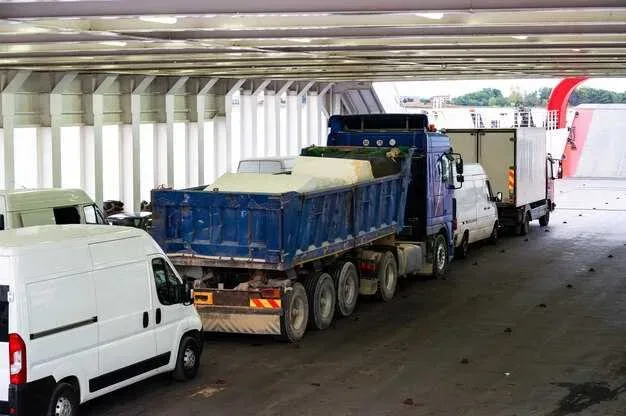


This article is available in several public languages. Choose the version you need.
Recommendation: lock in a near-term expansion of regional hubs and a scalable as-a-service layer to close delivery gaps and prepare your network for growth across Latin America. DHL allocates €500 million to strengthen supply chains, building well positioned warehouses, optimizing truck size, a refreshed fleet, and a digital backbone that supports real-time visibility from pickup to delivery.
To prepare teams, DHL launches cross-regional trials that connect a kolkata-based operations center with Latin American sites, ensuring lessons taken are shared to improve service with customers and partners in the first wave, and to inform them with actionable insights. This approach creates a clear set of milestones and models for supply and delivery across markets.
Creating scalable sales models hinges on data-driven logistics, with digital dashboards that help retain customers by predicting demand, optimizing routes, and aligning service level commitments with supplier partners.
Delivery accuracy improves as the network adds 12 regional centers and modernizes 1,200 trucks, supported by as-a-service platforms for warehouse management, order orchestration, and fleet tracking, helping them retain customers.
Expansion milestones include 4 new hubs in Brazil and Mexico, 8 smaller cross-dock facilities, and a 30% increase in on-time deliveries, making the network more reliable for customers and helping companies scale their operations across the region.
Takeaway: align your organization around this investment by assigning clear ownership, tracking KPIs, and coordinating them with suppliers so trials translate into sustained growth for customers and partners.
Strategic Focus Areas and Implementation Plan
Recommendation: establish three regional hubs across key Latin American gateways to anchor the €500 million expansion, with a clear roadmap to bring efficiency to cross-border flows and close gaps in last-mile coverage. Select locations will provide full access to ports, airports, and road networks, enabling quick scale as volumes rise.
Focused area 1: Network design and locations optimization. Build a robust model using data sciences to map the network, determine optimal warehouse placements, and balance capacity with demand. Prioritize near major trade corridors and urban centers to cut transit times and improve service levels. The plan includes three primary locations with a fourth micro-warehouse cluster in dense urban zones to ensure minimum dwell times. This approach removes bottlenecks and creates a resilient, scalable backbone. The mumbai-based analytics team (dhls) will support planning and having access to cross-functional inputs, led by agustin to ensure seamless execution and clear accountability.
Focused area 2: Technology, automation, and resilience. Accelerate the adoption of robotics-enabled warehouse operations to double throughput in targeted facilities, while preserving degrees of manual oversight where needed. Implement a unified data spine and robust warehouse management systems to improve inventory accuracy, cycle times, and visibility across locations. Create a framework for continuous improvement, with example pilots in full-scale environments that demonstrate tangible efficiency gains and risk reduction. Prioritize vendor partnerships that offer scalable automation, remote monitoring, and rapid fault recovery to keep operations resilient under demand volatility.
Focused area 3: People, diversity, and leadership. Launch focused talent programs to attract diverse profiles and strengthen local leadership across the region. Establish a training cadence that blends hands-on learning with sciences-backed methodologies, ensuring teams can manage complex cross-border flows and last-mile delivery. Called out responsibilities include rotating assignments, shared service centers in Mumbai, and collaboration with local universities to broaden the talent pipeline. This approach builds cultural agility, empowers their teams, and supports sustainable performance while maintaining minimum compliance with regional standards.
Implementation plan and milestones. Phase 1 (0–90 days): lock in locations, finalize site designs, secure local approvals, and mobilize core vendor partnerships. Phase 2 (90–180 days): begin site preparation, initiate recruitment for key roles, and pilot digital spine deployment in one hub. Phase 3 (180–360 days): commence first fully operational hub, scale automation pilots, and implement end-to-end transport and storage workflows. Phase 4 (12–24 months): expand to all three regional hubs plus micro-warehouses, consolidate data-driven governance, and publish quarterly performance dashboards that illustrate progress against clear targets and costs. This plan keeps teams focused, aligns with strategic priorities, and ensures robust delivery with measurable outcomes.
Target Markets and Country Focus for Expansion
Begin expansion by prioritizing Brazília és Mexikó in the next 24 months, building a hub-and-spoke network that serves a broad american consumer base and uses dhls' planned full automatizálás rendszerek és robots to speed receive and dispatch.
Brazil and Mexico offer the largest scale in LATAM. They together host about 213 million (Brazil) and 126 million (Mexico) people, driving substantial e-commerce growth and steady demand for warehousing, teherautó networks, and value-added services needed to serve well the customers. Current infrastructure supports fast cross-border flows and regional distribution, with Sao Paulo and Mexico City acting as core gateways for pan-regional workloads. These markets behave like anchors for regional growth, attracting investments, talent, and supplier ecosystems, and they are much more than single-country opportunities.
We plan two regional raktárak per country in the initial phase: 60k–100k sqm in size facilities that support 20–30 trucks per day, with capacity for cross-docking, reverse logistics, and omnichannel fulfillment. These hubs will be supported by enhanced rendszerek és egy model that emphasizes faster fogad of shipments, faster put-away, and easier access for clients’ shipments, enabling near-term service improvements for today’s customers.
Beyond Brazil and Mexico, we target Colombia and Chile within 18–30 months, adding medium-size facilities (20k–50k sqm) to extend regional reach into Andean and southern markets. In these countries, we focus on high-diversity product mixes and flexible services–from e-commerce fulfillment to value-added packaging–so they can receive goods quickly and stay competitive against nearby providers.
Peru and Argentina remain planned expansions, driven by domestic development and imports, with an emphasis on services supporting both SMEs and large retailers. todays growth requires a robust, scalable network; by spreading risk across multiple markets, we increase resilience and deliver more reliable service on the globe. dhls will coordinate from mechelen, using a unified rendszerek model and continuous feedback from customers to steer the development program.
New Warehousing Footprint, Capacity Targets, and Hub Expansion
Recommendation: Establish a five-hub LATAM network by mid-2026 with a total warehousing footprint of about 2.4 to 2.6 million square feet, including 900k to 1.0 million square feet dedicated to temperature-controlled pharma storage. This setup supports product demand, maintains service levels, and accelerates growth through flexible capacity that can respond to surge volumes caused by peak seasons. It also matches the size targets for the region, and thus positions DHL for enduring expansion. An addition of a fifth hub adds resilience and geographic balance. Choices taken earlier in mumbai informed the design.
- Footprint and size: five regional hubs spread across key corridors, each sized 420k–520k square feet, totaling approximately 2.2–2.6 million square feet of warehousing and facilities that enable multi-user support.
- Pharma and temperature: designate 1.0 million square feet for pharma-grade, temperature-controlled storage with validated cold chain processes, ensuring compliance with GMP/GDP standards and robust monitoring.
- Locations and rationale: target north Mexico, Brazil (São Paulo), Colombia (Bogotá), Peru (Lima), and Chile (Santiago) to reduce transit times, lower last-mile costs, and strengthen regional hub operations.
- People and programmes: expand women representation in the workforce, backed by state programmes that fund preparation and development to prepare teams for high-frequency picking and value-added services.
- Models and technology: implement cross-dock, bulk-break, and product-split models; integrate scalable WMS/automation, digital temperature monitoring, and real-time supply visibility to support the network.
Lessons from the mumbai facility demonstrate how efficient operations, energy management, and scalable models can cut cycle times and improve service levels; thus, the LATAM expansion gains significant momentum, creating a stronger sector footprint and long-term potential. The plan prioritizes preparation, adding capacity through facilities that can adapt to demand, and maintaining cost discipline while expanding the supply chain footprint.
Digital Transformation Roadmap: WMS, TMS, Automation, and Analytics
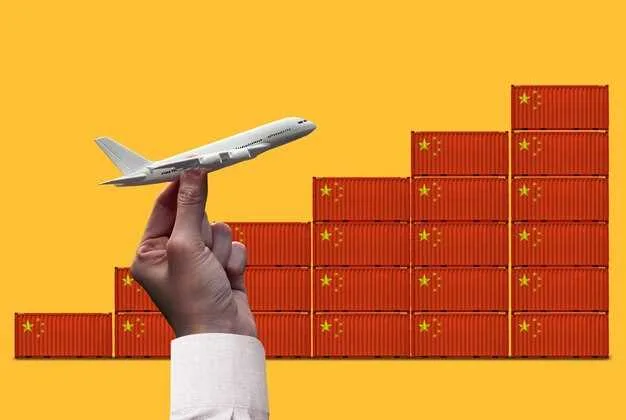
Implement a phased WMS and TMS rollout to bring value-added results quickly. This plan is based on a modular model that can scale across america and other regions, including indian operations, with change management embedded to minimize disruption that has taken hold.
Investing in automation and analytics, connected via a common data fabric, significantly boosts throughput and time to value across the supply chain.
A kezdeményezések kiterjednek a WMS optimalizálásra, a TMS hálózat áttervezésére, az automatizált csomagolásra és szortírozásra, valamint az analitikai irányítópultokra, amelyek releváns információkat jelenítenek meg a döntéshozók számára különböző időhorizontokon.
az amerikai központokra való összpontosítás és az indiai műveletek kiterjesztik a jelenlétet; a helyi partnerektől megszerzett eszközök táplálják a tervet és a befektetést, segítve a kritikus tehetségek megtartását és a legmodernebb képességek kiépítését, amelyek egy rugalmas, könnyebben megépíthető működési modellt alakítanak ki.
Zárjuk le a kört időhöz kötött felülvizsgálatokkal és a hangsúlyt a dhl, az amerikai és az indiai egységek alapjául szolgáló adatok minőségére, irányítására és a kapcsolódó kezdeményezésekre helyezve.
A siker mérőszámai legyenek olyan KPI-ok, mint a ciklusidő, a készletpontosság, a pontos szállítási arány és az egységre vetített összköltség; az eredményeket hetente osszuk meg, hogy irányítsuk a befektetési döntéseket és biztosítsuk a vállalatok összehangolását.
Multimodális szállítási hálózat optimalizálása: országhatárokon átnyúló útvonalak és utolsó mérföld
Javaslat: Valósítsanak meg egy ütemezett, határokon átnyúló sávprogramot három folyosón: Mexikó–USA (Laredo–Dallas), Brazília–Argentína (São Paulo–Buenos Aires) és Kolumbia–Panama (Cartagena–Panama City). Standardizálják a vámokkal való interfészeket és az adatcseréket, hogy minden helyszínen egységes ügyintézési pontot tegyenek lehetővé. Az 1. fázis folyosónként havi 2000 konténerre irányul, ami összesen havi 6000 konténert jelent, a határátlépések átfutási ideje 48 óráról 12 órára csökken. Ez a bővítés sebességet és megbízhatóságot hoz az üzletbe, a tárolás optimalizálása pedig segíteni fogja a növekvő mennyiségek kezelését. A szervezetek világszerte összehangolhatják a közös adatmodellt és adattudományi keretrendszert, és közös KPI-kkel mérhetik a méret- és súlyeloszlásokat, kiegészítve ezzel a szektor más módjait. A terv kezeli a manuális átadások okozta késéseket, és támogatja az átvételt és a továbbszállítást más helyszíneken is.
Ezt követően optimalizáljuk az utolsó mérföldet autonóm mikro-teljesítési központokon keresztül 15 városi helyszínen, központonként 4 autonóm utolsó mérföldes járművel a kísérleti városokban. Minden központ 15–20 km-es sugarú körben szolgál ki, a környékeket 30–60 percen belül ellátva, még a csúcsidőszakokban is. Ez a megközelítés 20–25%-kal csökkenti az utolsó mérföldes költségeket, és 8–12 százalékponttal javítja a pontos érkezéseket, miközben lehetővé teszi az olyan hozzáadottértékű szolgáltatásokat, mint a közös csomagolás, a címkézés és a másnapi szállítási garanciák. Ez a struktúra segít a határokon átnyúló sávokból származó szállítmányok fogadásában és azok hatékony elosztásában a végső ügyfelek felé, ideértve azokat a növekvő szektorokat is, ahol az ügyfelek gyors teljesítést igényelnek.
To sustain the gains, invest in 6 regional storage hubs that integrate cross-dock capacity, temperature-controlled storage, and digital visibility. Use 40' and 20' containers and optimize their size to match demand; apply analytics from data sciences to forecast demand and proactively reposition stock across locations. Align with growing degrees of automation, progressing through low, mid, and high degrees to reduce manual tasks. This change will complement the existing network, serve 24/7 operations in larger markets, and remove barriers in other locations across the sector, bringing value to others. By focusing on the globe, DHL strengthens response to expanding customer expectations and creates value-added services that customers have come to expect.
Fenntarthatóság, kockázatkezelés és a munkaerő felkészültsége

Take a regional, evidence‑based framework for Sustainability, Risk Management, and Workforce Readiness to guide the expansion that follows DHL's €500 million investment in Latin America, which aligns with local strategies that balance growth with resilience. Establish a governance council across state markets, with quarterly reviews and clearly assigned owners for initiatives in transport, warehousing, and people development, so teams receive steady direction that keeps customers and partners aligned. This structure that is tailored to local conditions will help the organization grow its footprint while protecting operations and brand trust.
A fenntarthatóság terén optimalizálja a flottamixet és a raktárkialakításokat az energiafelhasználás és a károsanyag-kibocsátás csökkentése érdekében. A modális váltások és az energiahatékony berendezések révén célul tűzzük ki a szállítási egységenkénti karbonintenzitás 25%-os csökkentését 2027-ig, valamint a LATAM kulcspiacain a termék első és utolsó szakaszát lebonyolító flották 60%-ának villamosítását 2030-ig. Szereljen fel napelemeket az elosztóközpontokban, hajtson végre LED-es korszerűsítéseket, valamint indítson csomagolási programot, amely a hulladékot a hulladékáramok 90%-os elterelésével a hulladékgyűjtés felé irányítja 2026-ig. Használja a digitalizációt a teljesítmény valós idejű nyomon követésére, kapjon riasztásokat az anomáliákról, és ösztönözze azokat a kezdeményezéseket, amelyek a lassú áteresztőképesség megtartása mellett javítják az egészségügyi és a divatágazat ellátási láncait, így a vállalkozás a korábbinál hatékonyabban növekedhet.
A kockázatok kezeléséhez építsen ki diverzifikált beszállítói hálózatot, amely a regionális latin-amerikai eladókat kombinálja az indiai stratégiai partnerekkel, hogy diverzifikálja a képességeket és csökkentse az egyetlen forrástól való függést. Tartson fenn egy kockázati irányítópultot és egy negyedéves kockázati felülvizsgálatot az olyan tényezők kezelésére, mint az időjárási események, a kikötői torlódások és a szabályozási változások, minden forgatókönyvre vonatkozóan készítsen készenléti terveket. Biztosítsa, hogy a szerződések megfeleljenek az ESG és biztonsági szabványoknak, az adatmegosztási követelményeknek és a világos teljesítménymutatóknak, hogy a beszállítók tudják, mit kell szállítaniuk és hogyan mérjék a sikert. Használjon többszörös útvonaltervezést és pufferkészleteket a zavarok csökkentése érdekében, és kövesse nyomon a kulcsfontosságú mutatókat a zavarok ágazati teljesítményre és ügyfélszolgálatra gyakorolt hatásának minimalizálása érdekében.
Fektessen be a munkaerőpiaci felkészültségbe célzott továbbképzési programokkal és a munkavállalók jóllétét szolgáló kezdeményezésekkel. Hozzon létre olyan kezdeményezéseket, amelyek keretében több mint 3500, a LATAM-ban és Indiában tevékenykedő partnerek frontvonalban dolgozó munkatársát képzik digitális eszközök, biztonsági gyakorlatok és egészségügyi munkafolyamatok terén azzal a céllal, hogy 18 hónapon belül több mint 3500 embert érjenek el. Működjön együtt regionális egyetemekkel és szakképző iskolákkal a sokszínűség növelése érdekében, és foglaljon bele olyan szakmai gyakorlati lehetőségeket, amelyek teljes munkaidős állásokká alakulnak, ezáltal biztosítva a bővülés támogatásához szükséges tartós készségbázist. Vonjon be állami és helyi ösztönzőket a beszállítókkal kötött szerződésekbe, amelyek munkaerő-fejlesztési kötelezettségeket tartalmaznak, biztosítva, hogy a növekedés motorjai kapcsolatban maradjanak a közösséggel és a vállalat hosszú távú stratégiáival, miközben erősítik a működési rugalmasságot.
| Terület | Akció | Mérések | Owner |
|---|---|---|---|
| Fenntarthatóság | Flottaoptimalizálás, raktárépületek energiahatékonysági programjai és csomagolási reform | CO2 tonna-km-enként; % EV flotta; % hulladékeltérítés | Operations |
| Kockázatkezelés | Beszállítói diverzifikáció; kockázati irányítópultok; szerződéses szabványok | Kockázati index; incidenciaszám; szerződéses megfelelés | Risk & Compliance |
| Munkaerőpiaci felkészültség | Készségfejlesztés, sokszínűségi programok, helyi partnerségek | Képzési órák; sokszínűségi alkalmazások; kompetenciaszerzéshez szükséges idő | HR |