


 Magyar
  English (UK)
  Русский
  العربية
  日本語
日本語  한국어
한국어  Türkçe
  Español
  Čeština
  Svenska
  Português
  Ελληνικά
  Suomi
Suomi  Nederlands
  Română
  Italiano
  Français
  Polski
  Українська
  Deutsch
  简体中文
简体中文  Slovenčina
 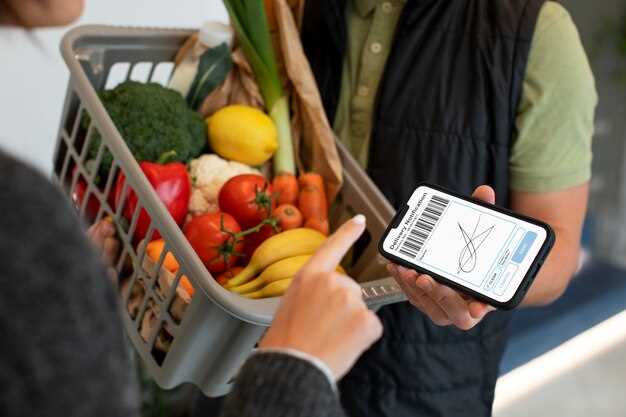 Újragondolt élelmiszerbevásárlás az utolsó mérföldes kiszállítással">

Adopt ai-powered last-mile delivery to cut delivery times by 25-35% and keep perishable items fresh, ensuring reliable service from store to door. By focusing on transporting groceries efficiently, you meet needs and turn lengthy waits into a convenient, predictable experience.
That transformation took root when retailers started to test real-time route optimization and precise execution on the road. Real-time route optimization reduces idle miles, while temperature control keeps seafood and other perishable items at safe levels from pickup to doorstep. Track each thing from order to delivery with clear status updates to avoid surprises.
Special capabilities like temperature-monitored containers, smart lockers for returns, and ai-powered dispatch ensure on-time windows. A small fleet can cover 60-90 households per hour when traffic is light, while larger zones require cross-docking and repositioning to maintain reliable service. This approach would also boost customer trust and reduce calls about delays.
Start with data-driven steps: map customer needs, segment the day into 3-4 blocks, and aim for a 95% on-time delivery rate. Set a baseline: 10-20% of orders include seafood, and track spoilage by item category to identify high-risk items. Invest in temperature-controlled bags and driver training to keep things cold or cool during peak hours.
Then implement continuous improvement: collect feedback, adjust routing, invest in training, and scale gradually with pilots in two districts. The focus stays on keeping the shopping experience convenient while expanding coverage along major distribution corridors, so customers feel the work of teams delivering on promises.
Practical Framework for Last-Mile Grocery in Food OEM Operations
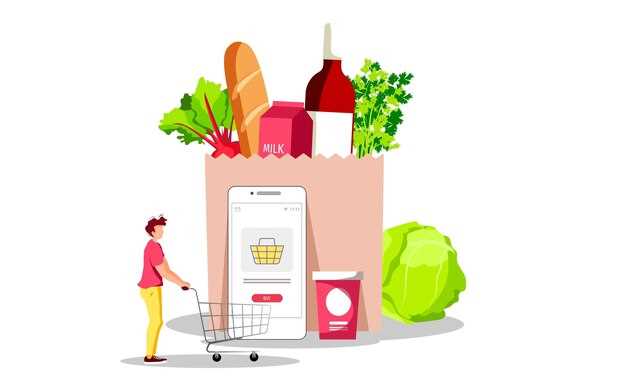
Adopt a two-tier last-mile model with micro-fulfillment hubs embedded in brick-and-mortar networks near high-density stores to cut road time and enable instant replenishment for high-velocity SKUs, including items used by restaurants.
Structure the flow with OEM orders funneling into a plan hub, then hub-to-store dispatch and direct-to-consumer legs. Use cross-docking to move items from supplier to stores with minimal handling; keep cold chain intact for life-critical items to extend life; implement route optimization and dynamic scheduling to reduce road miles; assign dedicated drivers for high-demand routes to improve operational reliability. Aligning with suppliers and stores ensures forecast accuracy and reduces stockouts. The game is to cut waste and keep stores well stocked; dont rely on guesswork, cannot afford errors.
Operational targets should focus on reducing waste and increasing speed. Most time goes to picking, packing, and hand-offs; automate with pick-to-light and mobile scanners; use real-time visibility to prevent bottlenecks. Keep high-priority items in a fast lane and use instant reorder triggers for top SKUs. Track metrics: on-time to stores, order fill rate, spoilage rate, transit time, and cost per delivery. Use a simple dashboard to alert when SLAs are breached and auto-adjust routes.
Collaborate with the company, OEMs, supermarkets, and restaurants to standardize SKU lists, including standard pack sizes and handling instructions; for life-critical items, use temperature-controlled units and data loggers; share forecast data to prevent overstock and waste. Run pilots in a few markets to validate ROI and adjust fleet mix, including the use of smaller vans for dense urban routes and larger trucks for regional legs. Use used packaging materials where possible to cut waste.
Map Customer Journeys: From Online Order to Doorstep
Assign one owner for each touchpoint in the end-to-end order-to-doorstep flow, and establish a 15-minute daily review to track availability, late delivery risk, and service levels.
From the beginning of the process, align online signals with brick-and-mortar realities: ensure catalogs reflect current stock, price, and freshness in supermarkets, and connect to a live inventory feed that improves availability.
The map focuses on the handoffs: online cart to order, order to warehouse, warehouse to courier, and courier to doorstep, with clear ownership at each point.
Each facility links store shelves to couriers, balancing capacity, resources, and stock levels to meet customer expectations and needed demand.
Implement a simple pilot that uses real-time signals to map points of delay and identify where resources are needed; use this practice to streamline routing across complex networks.
Late deliveries call for a proactive support system: publish ETA windows, send proactive notifications, offer flexible options, and ensure customer support is ready to assist.
Everybody benefits when the data is shared: marketing aligns promises with capacity, operations reduces waste, and executives see clear cost-to-service insights.
Manufacturers and supermarkets can reinforce the map by sharing lead times and replenishment signals, reducing gaps and improving availability at the doorstep.
Maintenance and evolution: review every few weeks, adjust for new partners, update routes, and keep the map easy to read with common terminology so teams across the organization can act.
Forecasting Demand and Managing Fresh Inventory for Last Mile

Use a rolling 14-day forecast by SKU and store to align each order across the fleet, and consolidate multiple store needs into a single weekly replenishment to cut last-minute trips and protect margins. This is a practical step for teams to adopt quickly, keeping planning simple and actionable.
Gather signals from sales, promotions, weather, holidays, and local events. Clustering stores by demand patterns and fresh profiles reveals unique segments you can share forecasts and inventory decisions across both brick-and-mortar and online channels.
Convert forecast into basics: set min and max levels per SKU per store, target 95% of SKUs available for core items, and keep 2-3 days of fresh cover in DCs and stores to reduce wasted stock and protect margins; address last-minute spikes with flexible replenishment, making the process convenient for store teams and customers.
Design the last mile around a compact, flexible fleet that can handle swings in demand. Use faster routing, cross-docking when volume spikes, and near-live updates to reduce mile traveled and redundant trips; this approach helps everybody rely on fresh stock without overburdening the network.
Example: A regional grocer implemented clustering and a shared forecast across 5 store clusters. Within 8 weeks, core item in-stock rose to 98%, waste dropped 18%, and margins improved by 3–4% on fresh categories. The approach proved convenient for customers and made replenishment faster without duplicating orders.
Everybody in the team can read a simple dashboard showing availability, waste, and margin trends; use these signals to adjust step-by-step procedures and keep the focus on availability and freshness across mile-long last-mile operations.
Cold Chain Compliance: Temperature Monitoring, Packaging, and Handling
Adopting a 24/7 temperature monitoring system across cold-storage points directly supports groceries freshness and safety. Install validated probes at loading docks, distribution hubs, and last-mile vehicles, and connect them to automatically triggered alerts that trigger when temps drift outside 2-8°C for refrigerated items or -18°C for frozen goods. Tie monitoring to etas so dispatch can adjust routes in real time. This practice supports growing user trust among shoppers.
Maintain cold-storage zones at 2-8°C and frozen zones at -18°C; use data loggers that record at least every 15 minutes during transit and at loading/unloading checkpoints. A user-friendly dashboard summarizes temps, excursions, and duration, usually accessible to the user on mobile and desktop. Alerts trigger automatically when readings breach the target window, enabling immediate corrective action when needed.
Packaging options including insulated boxes, rigid foam coolers, gel packs, and phase-change materials that maintain target temps for 6-24 hours depending on external conditions. Such packaging is commonly used across multiple groceries deliveries and can be tested with real-world routes to confirm performance.
Define a step-by-step handling protocol from cold-storage to last mile, ensuring goods are transferred directly to refrigerated vehicles, with minimal door openings. Pre-cool items before loading and apply strict chain-of-custody labels at every handoff. This practice reduces risk of temperature excursions and protects product quality. Such practices increase repeatability across routes.
Data-driven management: Record and review at points along the route; volumes of groceries moved per route; analyze excursions to identify points of failure; implement corrective actions. This strategy focuses on reducing excursions and improving response times.
Habits and training: Train users across warehouses, drivers, and store staff; provide practical checklists, including habits such as verifying temperatures before departure and validating packaging integrity; adoption should be measured with quick audits.
In contrast to passive storage, automated monitoring reduces excursions; as volumes grow with last-mile expansion, increased reliability and traceability follow. This contrast helps operations keep groceries within target ranges across routes.
Rollout plan: begin with a three-hub pilot over 6 weeks; scale to full network within 90 days; track spoilage rate, on-time deliveries, etas, and customer satisfaction. This approach would improve consistency, help managers forecast capacity, and sustain adopted practices.
Real-Time Route Optimization for Perishables and Time-Sensitive Goods
Implement ai-powered routing with updates every 2-5 minutes to keep schedules aligned and ensure temperature-monitored conditions are maintained, so that items are delivered on time.
Real-time routing uses live traffic, weather, and order changes to recalculate the next-best path. It prioritizes fast handoffs, minimizes idle time, and factors available drivers, vehicle types, and depot constraints, keeping availability accurate and preserving promised windows for customers.
Reducing backtracking and unnecessary detours lowers costs by 12-25% in typical urban networks, while shaving total drive time by 20-30% and boosting on-time delivery rates to 95% or higher under normal conditions. The system compares multiple routing options, evaluates expected ETAs, and checks temperature constraints to prevent cold-chain violations.
Maintaining product quality relies on temperature-monitored sensors in each container, real-time alerts for deviations, and automatic rerouting when a sensor detects out-of-range conditions. This ai-powered approach prioritizes high-priority items first, preserves cold-chain integrity, and minimizes exposure time for sensitive goods.
Practices focus on standardized packaging with in-transit sensors, calibrated thresholds, and trained responders to alerts. Selection criteria for partners include sensor accuracy, API availability, data latency, and how they handle data backups. Availability of reliable data feeds is essential to sustaining accurate routing and keeping operations aligned with schedules.
Example: A grocer handles four zones with dairy, meat, produce, and ready-to-eat items. The system calculates routes that keep temperature targets within ±2°C, reorders stops when a delivery window tightens, and delivers 96% of orders within the promised slot, while reducing overall CO2 emissions from idle miles by 18%. This approach demonstrates how dynamic routing supports fast, reliable delivery while maintaining quality across complex networks.
Questions to surface with vendors or internal teams include: How often do you refresh routes? Can you support temperature-monitored pallets end-to-end? What are the integration points with our WMS/TMS, and how do you handle edge cases like last-minute cancellations or item substitutions? How do you measure success–delivery speed, freshness indicators, or customer satisfaction–and what is your example of realized improvements?
Partner Onboarding, SLA Setup, and Data Exchange with Delivery Vendors
Set a 14-day onboarding sprint with a shared data standard (API preferred, with fallback to EDI), and appoint a dedicated onboarding liaison to ensure all vendors meet the same requirements before go-live, boosting satisfaction and shortening ramp time.
-
Beléptetési program
Határozz meg egy megismételhető, szerepkör-alapú folyamatot, amely a vállalatot és a szállítókat az első naptól kezdve bevonja. Hozz létre egy központi adattárat az összes bevezetési dokumentum számára, beleértve az adattárat, az API/EDI specifikációkat, a biztonsági irányelveket és az incidens kezelési forgatókönyveket. Követeld meg a szállítóktól a licenc, a biztosítás és a raktározási képességek igazolását, például a romlandó és fagyasztott áruk hőmérséklet-szabályozott tárolását.
- Az adattár tisztázza a kötelező mezőket: vendor_id, warehouse_id, route_id, product_category, perishables flag, temperature range, packaging_type, service_level és delivery_window.
- Az elfogadási feltételek meghatározzák az éles üzemre való felkészültséget: végpont elérhetőség, teszt rendelések és végpontok közötti állapotfrissítések.
- A képzési anyagok a manuális és az automatizált érintési pontokat tárgyalják a súrlódás csökkentése és az elfogadás felgyorsítása érdekében.
- A támogatási és eszkalációs kapcsolattartók közzétételre kerültek, meghatározott válaszidőkkel a magas elégedettség fenntartása érdekében az átállás során.
-
SLA beállítás
Tervezzen egy átlátható SLA mátrixot, mely igazodik a logisztikai realitásokhoz és a csúcsforgalomhoz. Alkalmazzon többszintű megközelítést ünnepnapokra és normál napokra vonatkozóan, automatikus jóváírással az ismételt hibák esetén, valamint formális felülvizsgálattal a negyedévek végén.
- Szállítási célkitűzések:
- Pontos átvétel: 98–99%, a megbeszélt időintervallumon belül
- Pontos szállítás az ügyfélnek: 98–99,5%
- Szállítási pontosság (helyes termék, helyes mennyiség): ≥99%-os
- Károsodási arány: a szállítmányok ≤0,3–0,5%-a (beleértve a romlandó és fagyasztott termékeket)
- Hűtési lánc és kezelés:
- A romlandó áruknak és életmentő termékeknek dokumentált hőmérsékleti tartományokat kell tartaniuk (pl. bizonyos romlandó áruk esetében 2–8 °C; fagyasztott áruknál -18 °C), a telemetriai naplókat pedig szállítmányonként fel kell tölteni.
- A hőmérsékleti eltérések automatikus riasztásokat és gyorsított kivizsgálásokat váltanak ki.
- Válasz- és helyreállítási idők:
- Kritikus incidensek: reagálás 60 percen belül, megoldás 4 órán belül
- Nem kritikus hibák: 4 órán belül nyugtázza, 24 órán belül javítsa.
- Adatok és láthatóság:
- Állapotfrissítések 15 percenként a szállítás során; ETA újraszámítása a változásoktól számított 5 percen belül
- Eszkalációs útvonal dokumentálva a kivételekhez, szállítónként egyetlen kapcsolattartóval
- Ünnepi csúcsidőszak-terv:
- A csúcsidőszakokban a várható mennyiségek 1,5–3-szorosai a szokásos napi rendeléseknek; előre ütemezze a kapacitást a preferált fuvarozóknál
- Ösztönözze az időben történő teljesítést ideiglenes jóváírásokkal azon fuvarozók számára, akik teljesítik az ünnepi SLA-kat
- Szállítási célkitűzések:
-
Adatcsere protokoll
Rögzítsen egy robusztus, skálázható adatcsere megközelítést, amely támogatja a valós idejű láthatóságot és minimalizálja a manuális újbóli bevitelt, szemben a papíralapú folyamatokkal.
- Csatornák és formátumok cseréje:
- API (REST/GraphQL) valós idejű eseményekhez; SFTP/EDI X12 mint tartalék megoldás
- Gyakori adatformátumok: JSON, XML, CSV; verziózott szerződések a kompatibilitástörő változtatások elkerülése érdekében
- Eseménytípusok és hasznos adatok:
- order_created, pickup_scheduled, in_transit_update, delivered, exception, invoice
- Mezők: rendelésazonosító, eladóazonosító, raktárazonosító, célállomás, szállítási időablak, termékek, mennyiségek, romlandó jelző, hőmérsékletnaplók
- Adatminőség és -ellenőrzés:
- Kötelező mezők érvényesítése a belépéskor; formátumellenőrzések (dátumok, időpontok, hőmérsékleti egységek); illesztés a járművezető és a kézi eszközök adatgyűjtése között
- Korrelációs azonosítók a szállítmányok rendszereken keresztüli nyomon követéséhez
- Biztonság és irányítás:
- TLS 1.2+ átvitel; OAuth2 vagy kölcsönös TLS; minimális jogosultság elve; naplózási nyomvonalak 365 napig megőrizve
- Időszakos biztonsági felülvizsgálatok és szállítói kockázatértékelések
- Megbízhatóság és hibakezelés:
- Automatikus újrapróbálkozások exponenciális visszalépéssel; egyértelmű újrapróbálkozási limitek; részletes hibakódok; automatizált egyeztetés kötegelt frissítések után
- Adatmegőrzési és archiválási szabályzat a szabályozási követelményeknek megfelelően
- Teljesítményelvárások:
- API késleltetés 200 ms alatt a rendelési eseményeknél; kötegelt feed-ek a gyártási frissítések után 15 percen belül
- Telemetria teljesség ≥ 99%-nak kell lennie szállítmányonként
- Tesztelés és élesítés:
- A tesztterv tartalmaz végpontok közötti forgatókönyveket standard szállítmányokra, romlandó és fagyasztott árukra, valamint kivételkezelésre
- Kísérleti projekt 2–3 partner bevonásával a teljes bevezetés előtt
- Csatornák és formátumok cseréje:
-
Irányítás, monitoring és folyamatos fejlesztés
Hozzon létre egy irányítókörnyezetet negyedéves felülvizsgálatokkal, a KPI-okra, az elégedettségre, valamint az implementáció előtti és utáni folyamatok közötti kontrasztra összpontosítva a folyamatos fejlesztés érdekében.
- Kulcsfontosságú mérőszámok:
- Beszállítói elégedettségi pontszám és bevezetési idő
- Első körös adatok pontossága és a kézi adatbevitel csökkentése
- Tranzit láthatóság késleltetése és kivételarány
- A romlandó és fagyasztott áruk szállíthatósága és polcstabilitása
- Folyamatoptimalizálás:
- Rendszeresen ritkítsa meg azokat a mezőket, amelyek csekély értéket képviselnek, és csak a működéshez és a megfelelőséghez elengedhetetlen adatokat tartsa meg.
- A gyakorlatot hangolja össze a raktár képességeivel a hatékony mennyiségkezelés érdekében.
- Kockázat és reziliencia:
- A világjárvány vagy regionális zavarok előre meghatározott vészhelyzeti útvonalakat és alternatív szállítókat indítanak el.
- Tartalék adatcsatornák és offline módok az életmentő szállítások fenntartásához
- Dokumentáció és képzés:
- Tartsa frissen az onboarding kézikönyveket; frissítse az ünnepi időszakokból és csúcsidőszakokból származó tanulságokkal
- Folyamatos technológiai tájékoztatók biztosítása az új eszközök okozta kifáradás csökkentése érdekében
- Kulcsfontosságú mérőszámok:
Ezeknek az elemeknek a bevezetése szorosan tartja az integrációt, növeli a megbízhatóságot, és csökkenti a súrlódást a beszállítói hálózaton. Az adatszolgáltatás minőségére és a világos SLA-kra összpontosítva a vállalat erős rálátást szerez a raktározási és az utolsó mérföldes tevékenységekre, fenntartja a romlandó áruk épségét és minőségét, és megőrzi az elégedettséget még a nagy forgalmú ünnepek és a járvány okozta zavarok idején is.