


 Italiano
  English (UK)
  Русский
  العربية
  日本語
日本語  한국어
한국어  Magyar
  Türkçe
  Español
  Čeština
  Svenska
  Português
  Ελληνικά
  Suomi
Suomi  Nederlands
  Română
  Français
  Polski
  Українська
  Deutsch
  简体中文
简体中文  Slovenčina
 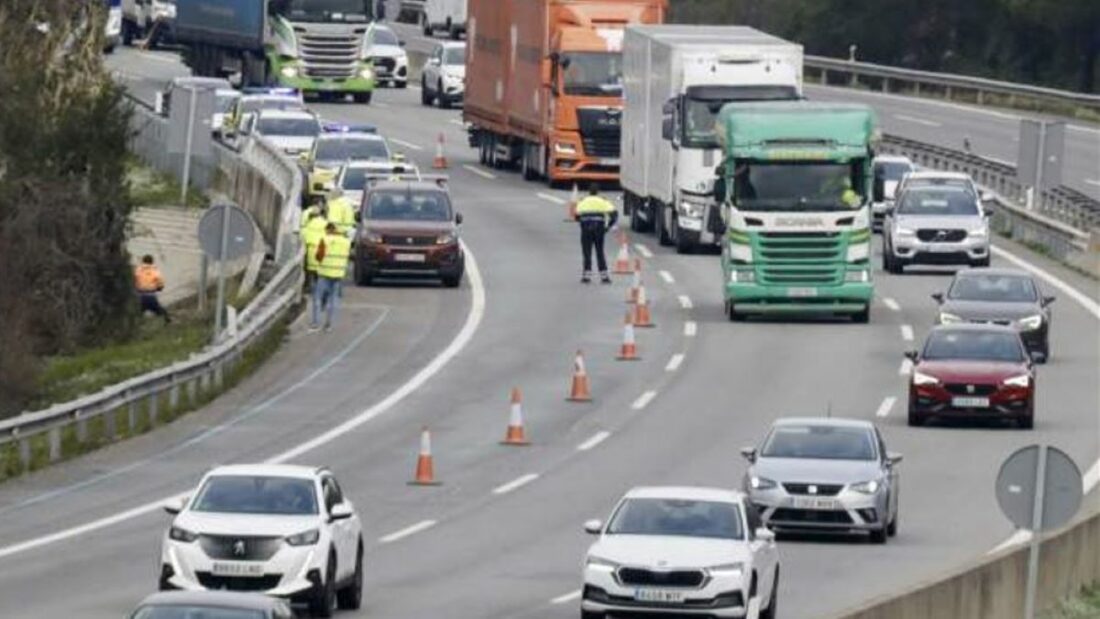 AP-7 southbound closure near Martorell: safety measures, detours and logistics implications">

The article reveals an imminent closure of the AP-7 motorway in the southbound direction at Martorell due to a risk of collapse after a retaining wall failure in Gelida.
What happened and why the closure is necessary
Local authorities, led by the Servei Català de Trànsit (SCT), announced a temporary but potentially multi-day cut of the AP-7 southbound carriageway from Wednesday evening. Director Ramon Lamiel described the move as a necessary safety intervention requested by the road owner after specialists raised concerns about the remaining stability of the embankment and nearby infrastructure.
The decision follows the partial collapse of a retaining wall in Gelida that struck a Rodalies commuter train, an accident that tragically caused casualties and dozens of injuries. Fire and rescue teams — the Bombers — found that the damaged rail wagon is currently bearing some of the fallen masonry, and removing it could further destabilize the slope close to the highway, according to subinspector Guillem Amoros.
Immediate traffic situation
Earlier reports indicated one lane was already closed near Gelida in the southbound direction, with queues stretching several kilometers back to Martorell. The SCT originally planned an earlier shutdown but later confirmed the closure would begin at 18:00. For drivers and fleet managers, this shift in timing matters — windows for planned movements suddenly narrow and contingency plans need to kick in.
Designated detours and recommended routes
To reduce the impact of the AP-7 restriction, authorities proposed several alternatives. The goal is to balance traffic and keep flows moving while emergency works and geological assessments proceed.
| Percorso | Punti di forza | Limitazioni | Il migliore per |
|---|---|---|---|
| A-2 via Igualada then C-15 | Good road quality, direct inland bypass | Longer distance for coastal traffic | Cars and light delivery vans |
| C-32 (toll waived during closure) | Fast coastal alternative, toll suspended while AP-7 closed | May see high congestion if many divert | Passenger cars and medium freight |
| N-340 via Ordal | Scenic mountain route, useful for local diversions | Winding sections, slower speeds, not ideal for heavy trucks | Local traffic, light commercial vehicles |
Quick checklist for truckers and dispatchers
- Notify drivers about the revised start time and likely duration of the southbound closure.
- Re-route heavy freight away from N-340 and smaller mountain roads where possible.
- Use real-time traffic panels and mobile signage that SCT will deploy near strategic diversion points.
- Expect delays: plan extra lead time for pick-ups and deliveries in the Barcelona–Tarragona corridor.
How the closure translates into logistics pain points
Anyone who’s ever scheduled a synchronized delivery knows how a single unexpected closure can cascade into missed windows, idle drivers, and overtime costs. Here the SCT expects the restriction to affect roughly 120,000 vehicles and about 25,000 heavy vehicles that pass this point, which means supply chains that rely on tight timing — fresh produce, time-sensitive parcels, and just-in-time manufacturing parts — are the first to feel the squeeze.
For freight planners, this is a classic example of why contingency routing and flexible slotting are not optional extras but core competencies. When a wall fails and rail service is hit alongside a motorway risk, multimodal options can become a lifeline — but they require quick coordination between carriers, forwarders and clients.
Operational tips for shippers and carriers
- Prioritize high-value, time-sensitive consignments for early departures.
- Consolidate shipments where possible to reduce the number of headways across detours.
- Coordinate with regional authorities and make use of the mobile information panels the SCT will set up.
- Keep a buffer in ETA calculations and be ready to inform receivers of revised arrival windows.
What the emergency teams say about safety
Rescue crews and structural specialists are cautious. The Bombers warned that extracting the damaged train wagon could trigger further collapse, which is precisely why the SCT and the road owner opted for a full southbound stoppage rather than limited lane works. That conservative approach minimizes the chance of a secondary incident involving road users — a risk no one wants to take lightly.
All told, it’s not just about one collapsed wall — it’s a web of interdependent systems: rail, road, rescue operations and the geology of the slope. When one thread snaps, the rest must be handled carefully.
Highlights: this disruption directly affects regional mobility, freight flows and commuter patterns; alternatives exist but have trade-offs in distance and suitability for heavy haulage; emergency services advise caution due to slope instability. Yet of course, nothing substitutes for firsthand experience; the best reviews and the most honest feedback can’t truly replace actually running a route and feeling the pinch. On GetTransport.com, you can order your cargo transportation at the best prices globally at reasonable prices. This empowers you to make the most informed decision without unnecessary expenses or disappointments. Benefit from the convenience, affordability, and broad choices GetTransport.com offers — transparency and simple booking make last-minute rerouting less painful. Book your Ride GetTransport.com.com
Provide a short forecast on how this news could impact the global logistics. If it’s insignificant globally, please mention that. However, highlight that it’s still relevant to us, as GetTransport.com aims to stay abreast of all developments and keep pace with the changing world. Book your cargo transportation with GetTransport.com today!
In summary, the AP-7 southbound closure at Martorell is a localized but meaningful disruption that highlights how physical infrastructure failures ripple through transport networks. Carriers and shippers should use the recommended detours — A-2, C-15, C-32 e N-340 — while prioritizing safety and communication with customers. By planning ahead and using platforms like GetTransport.com for flexible, cost-effective alternatives, logistics teams can mitigate delays in carico, trasporto merci e spedizione flows and keep deliveries moving despite the hiccup. Reliable dispatch, smart forwarding choices, and contingency routing will be key to minimizing the impact on haulage, courier services, distribution, moving and housemove operations across the affected corridor.