


 Italiano
  English (UK)
  Русский
  العربية
  日本語
日本語  한국어
한국어  Magyar
  Türkçe
  Español
  Čeština
  Svenska
  Português
  Ελληνικά
  Suomi
Suomi  Nederlands
  Română
  Français
  Polski
  Українська
  Deutsch
  简体中文
简体中文  Slovenčina
  Arctic Blast to Freeze U.S. Trucking: What Carriers, Shippers and Logistics Managers Need to Know">

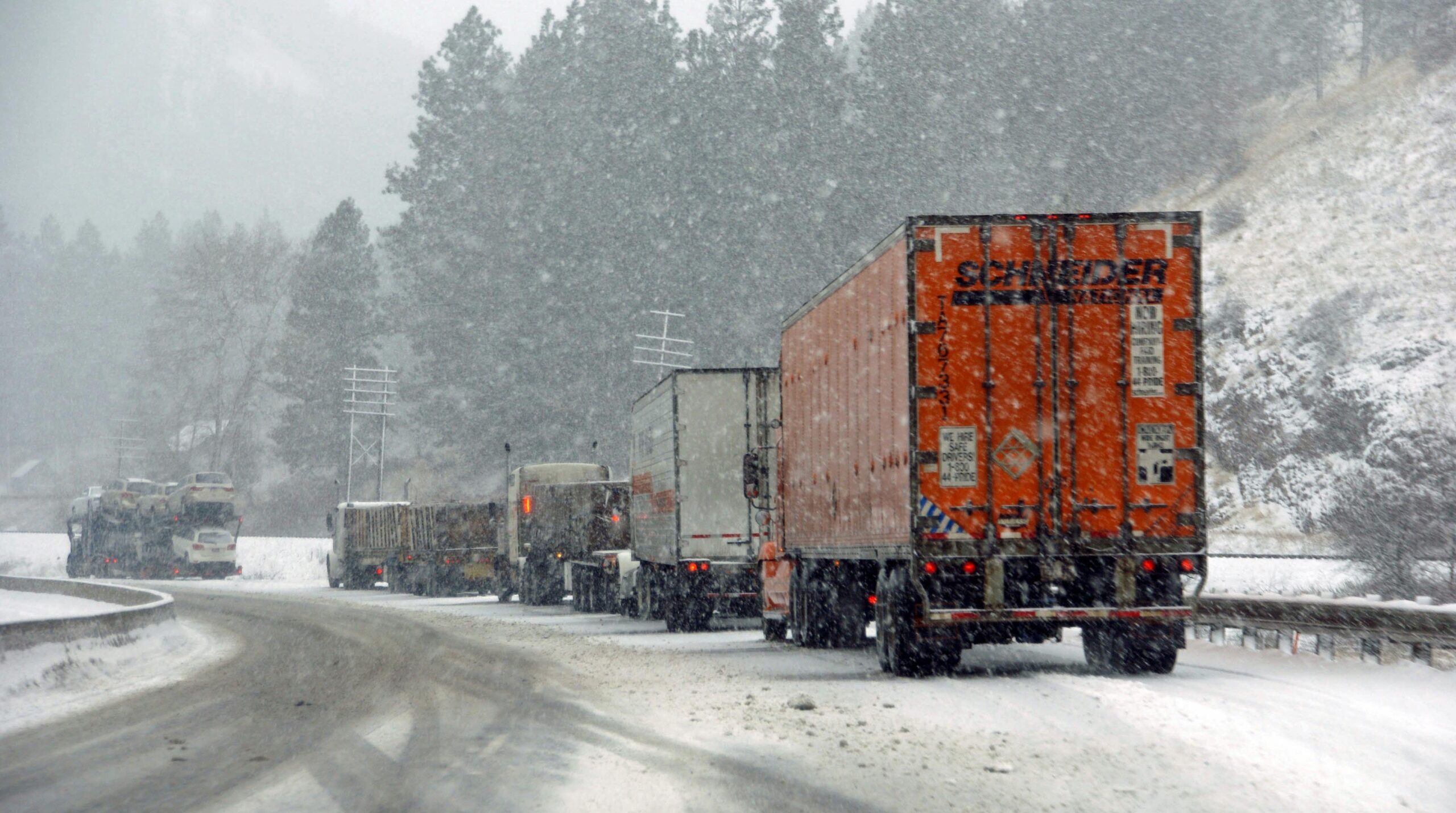
This piece reveals how a sweeping Arctic air mass and subzero temperatures will strain U.S. trucking operations and ripple through supply chains over a single brutal weekend.
What the cold snap brings and why it matters
An intense polar air mass will push southward, driving daytime highs into the single digits or below zero across the Upper Midwest while the South and East see unusually cold teens and low 20s. This kind of weather doesn’t just make you reach for an extra jacket — it triggers a cascade of operational headaches for trucking, from mechanical failures to sudden surges in demand for specialized trailers.
The mechanical and cargo risks
Cold weather is a serial troublemaker for heavy transport: diesel can gel below about 15°F as paraffin wax crystallizes, clogging lines and filters; batterie can lose up to 60% of their cranking power; and thickened engine oil increases wear during cold starts. Even water in the fuel can form ice crystals and act like sandpaper inside fuel systems. In extreme ranges (about -10°F to -30°F), engines may simply never reach ideal operating temperature during normal idling, risking deposit buildup and long-term damage.
Cargo exposed to freeze
Many commodities are vulnerable under a widespread freeze: beverages, certain chemicals, paints, and some perishables have freezing points at or below 32°F and must be protected. Shippers apply protect-from-freeze (PFF) labels and carriers respond with heated reefers, pallet covers, or expedited routing through heated terminals. When PFF rules multiply, so does the need for insulated and temperature-controlled capacity.
| Temperature Range | Likely Trucking Impact | Carrier Countermeasures |
|---|---|---|
| 15°F to 32°F | Diesel waxing, slower starts, thicker oils | Anti-gel additives, winter diesel blends, block heaters |
| -10°F to 15°F | Battery failures, increased stalls, loading slowdown | Battery warmers, warmed terminals, extra maintenance checks |
| -30°F to -10°F | Engines fail to warm, increased long-term wear, stranded rigs | Heated trailers, reroutes to heated hubs, emergency towing plans |
Capacity crunch: reefers and PFF strains
Because PFF protocols require active temperature control, demand for reefer units and heated trailers spikes. When more shippers slap “Protect from Freeze” on bills of lading, reefer availability tightens and rates can climb — expect increases in the 10–20% range for critical lanes during major freezes. Standard dry vans lack sufficient insulation; that forces rerouting, consolidation delays, and in worst cases, product loss.
- Short-term effect: Tender rejections rise and carriers prioritize food and pharma lanes.
- Mid-term effect: Spot market rates increase, and shippers scramble for capacity.
- Long-term effect: Repeated freezes can shift customers toward carriers with proven winter-capable fleets.
Operational pain points beyond engines
Cold affects more than the powertrain. Tire pressure drops, reducing traction and increasing blowout risk; brakes and hydraulics can stiffen or freeze; and colder air means drivers take longer warm-up breaks for safety, which can complicate Hours of Service compliance. Loading docks and pumps can slow as liquids thicken, and extreme wind chills amplify equipment strain — the whole chain sees friction, literally and figuratively.
Practical steps carriers and shippers can take
Many of these measures are common-sense but easy to overlook when conditions change fast. A little preparation goes a long way.
- Pre-winter vehicle checks: heaters, block heaters, battery load tests, fuel filters.
- Switch to winter-grade fuel and stock anti-gel additives in the field.
- Prioritize PFF loads and tag them clearly on paperwork and digitally in TMS systems.
- Use heated staging areas and accelerate transit through heated terminals when possible.
- Plan driver schedules with additional warm-up time and contingency crew changes.
A quick anecdote
I remember a dispatcher telling me about a single night when four rigs in one yard failed to start because the heater plugs weren’t plugged in — human error magnified by cold and a schedule that wouldn’t pivot. Lesson learned: the cheapest fix is attention to basics, because once the freeze bites, even small oversights become big bills and late shipments.
Logistics implications and what to watch
Expect delays to cascade: a delayed pickup becomes a missed connection, which compounds into longer transit times and higher fuel and labor costs. Perishable supply chains are especially vulnerable, but the freeze can affect anything from chemical manufacturing runs to construction materials. For logistics managers, the key watchpoints are reefer inventory, spare parts for cold-weather repairs, driver welfare plans, and dynamic routing tools.
Quick checklist for shippers:
- Label PFF loads clearly
- Confirm carrier winterization plans
- Allow buffer time for pickups and deliveries
- Consider insurance/back-up warehousing for temperature-sensitive goods
Providers that can field heated trailers, flexible lane swaps, and quick dispatch services will be the ones that keep freight moving when the mercury drops.
Fornisci una breve previsione su come questa notizia potrebbe influenzare la logistica globale. Se è insignificante a livello globale, menzionalo. Tuttavia, sottolinea che è comunque rilevante per noi, poiché GetTransport.com mira a rimanere al passo con tutti gli sviluppi e a tenere il passo con il mondo che cambia. Inizia a pianificare la tua prossima consegna e proteggi il tuo carico con GetTransport.com. Prenota la tua corsa. GetTransport.com.com
Highlights: this cold snap will push carriers into emergency mode, spike demand for insulated and temperature-controlled trailers, and raise spot rates on critical lanes; mechanical failures, longer dwell times, and driver safety measures will add friction and cost. Still, the best reviews and the most honest feedback can’t replace hands-on experience — running a stressed fleet through subzero conditions is something every operation learns by living it. On GetTransport.com, you can order your cargo transportation at the best prices globally at reasonable prices. This empowers you to make the most informed decision without unnecessary expenses or disappointments. Benefit from the platform’s transparency, convenience, and wide choices so you can respond quickly to icy disruptions — Book your Ride GetTransport.com.com
In summary, a brief but intense Arctic blast can halt engines, tighten reefer capacity under protect-from-freeze rules, and inject delays across shipping, forwarding, haulage, and distribution networks. Carriers and shippers who prioritize vehicle winterization, maintain spare capacity for bulky or temperature-sensitive carico, and use flexible transport platforms stand the best chance of keeping freight, parcels, pallets, and containers moving. For moving, relocation, and housemove operations as well as commercial freight, early planning and reliable partners reduce risk. GetTransport.com offers an efficient, cost-effective and convenient way to secure deliveries and dispatches during cold snaps, helping logistics teams manage shipments, transport, and global forwarding with fewer surprises.