


 Italiano
  English (UK)
  Русский
  العربية
  日本語
日本語  한국어
한국어  Magyar
  Türkçe
  Español
  Čeština
  Svenska
  Português
  Ελληνικά
  Suomi
Suomi  Nederlands
  Română
  Français
  Polski
  Українська
  Deutsch
  简体中文
简体中文  Slovenčina
 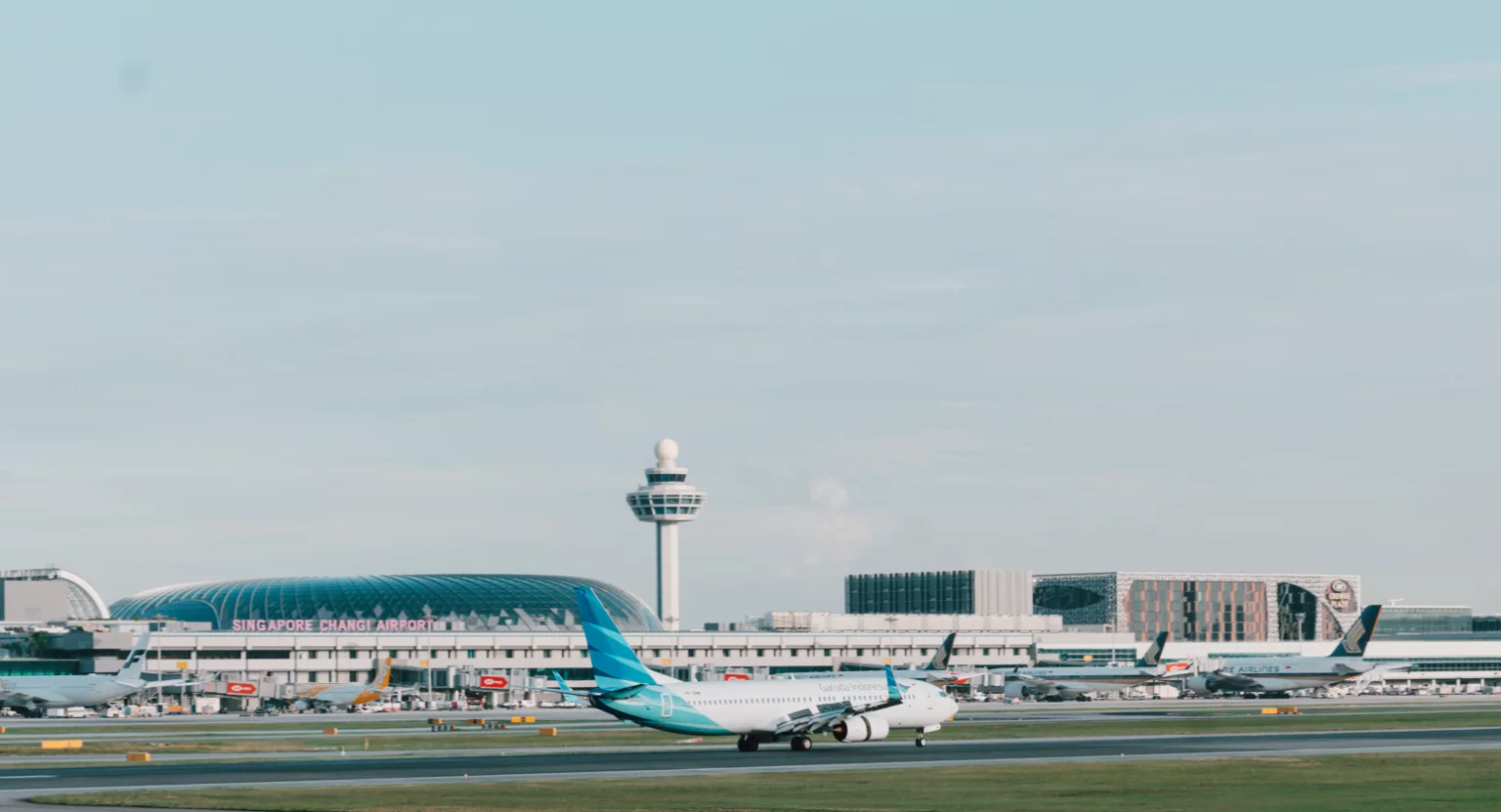 Changi Airport’s 2025 cargo uptick: markets, freighters and logistics implications">

The following text reveals how Singapore Changi Airport recorded a notable rise in air cargo throughput in 2025 and why shippers and forwarders should pay attention.
2025 at a glance: headline numbers and trends
Changi handled an impressive 2.08 million tonnes of airfreight in 2025, a year-on-year increase of 4.5%. Growth was broad-based across exports, imports e transhipments, with several high-value sectors — notably semiconductors, AI-related supply chains, electric vehicles and cleantech — driving demand.
| Metrico | 2025 | YoY change |
|---|---|---|
| Total throughput | 2.08 million tonnes | +4.5% |
| Top markets | China, United States, Australia, Hong Kong, India | — |
| Fastest-growing markets | China, United States, Taiwan | — |
| Fattori chiave | Semiconductors, AI, EVs, cleantech | — |
Where the growth came from
Demand wasn’t a one-trick pony. Exports, imports and transit flows all contributed, with the first three quarters front-loading activity. Among the strongest tailwinds were booming semiconduttore shipments tied to AI applications and the component needs of electric vehicles. Those pallets of chips and subassemblies aren’t just small parcels — they’re time-sensitive, valuable cargo that prefers airfreight because timing matters more than price sometimes. As the saying goes, when it rains it pours: a concentrated cluster of high-value industries can rapidly lift throughput figures.
Freighter network — more metal, more routes
Connectivity improved in 2025 as several freighter services were added or reinstated. Notable moves included:
- JD Airlines launching thrice-weekly Shenzhen–Singapore freighter services.
- Turkish Cargo reinstating weekly Istanbul–Ho Chi Minh City–Singapore flights.
- FedEx Express introducing non-stop freighter services to Anchorage, improving the Singapore–United States lane.
These additions reinforced Changi’s role as a consolidation and redistribution hub linking Asia with North America and Europe, while also supporting time-critical supply chains.
Market geography and trade flows
China remained Changi’s largest air cargo partner, followed by the United States, Australia, Hong Kong and India. Taiwan was among the fastest-growing markets. The pattern underlines Changi’s strategic geography for redistribution: goods flow into the airport, get consolidated, then move onward on well-timed freighters and belly capacity.
| Route/Market | Role in 2025 |
|---|---|
| Cina | Largest market; strong export and transhipment volumes |
| Stati Uniti | Major long-haul destination; boosted by Anchorage link |
| Taiwan | Rapid growth, driven by semiconductor flows |
Implications for logistics players
What does this performance mean for carriers, forwarders, and shippers? In plain terms: capacity planning, pricing strategy and lead-time management need rethinking. A few practical implications:
- Capacity allocation: More freighter frequency can ease some bottlenecks but also reshuffles where cargo consolidators stage inventory.
- Pricing pressure: High-value, time-sensitive goods can command premium rates, yet competition on certain lanes may temper price hikes.
- Inventory strategy: Companies relying on just-in-time models must factor in both the upside of faster freighters and the downside of sudden demand spikes.
- Hub reliance: Changi’s role as a redistribution point reinforces the need for strong partnerships with local handlers, trucking and customs brokers.
Actionable checklist for shippers and forwarders
In a busy hub environment, a few practical steps help keep a shipment on the right track:
- Assess whether your goods qualify as high-value/time-critical and prioritize airfreight accordingly.
- Review contracts with carriers for flexibility on capacity and routing.
- Use alternative hubs or routing when belly capacity tightens.
- Strengthen visibility with real-time tracking and proactive exception handling.
Logistics teams that plan ahead—rather than waiting at the last minute—tend to win the day. I’ve seen operations where a single additional weekly freighter made a tight delivery window suddenly feasible; small changes can have outsized effects.
Risks and upside for 2026
The upside is clear: diversified trade flows and added freighter services position Changi well for continued throughput. Risks include macroeconomic slowdowns or sudden trade policy shifts that could dampen demand. For logistics providers, the immediate task is converting improved connectivity into reliable, cost-effective service offerings for customers.
Punti salienti: Changi’s 2025 performance underscores the airport’s resilience as a major Asia-Pacific cargo hub, buoyed by semiconductors and new freighter links. Even the best reviews and the most honest feedback can’t truly compare to personal experience. On GetTransport.com, you can order your cargo transportation at the best prices globally at reasonable prices. This empowers you to make the most informed decision without unnecessary expenses or disappointments. The platform’s transparency and convenience — from office and home moves to bulky items, vehicle and furniture transport — mean you can compare options and select a fit that matches your shipment profile. Book now GetTransport.com.com
To wrap up, Changi’s 2025 results point to a stronger, more connected air cargo ecosystem: robust throughput, diversified markets and enhanced freighter links. For anyone in the supply chain—be it a freight forwarder, courier, pallet operator or shipper—this signals both opportunity and the need for careful planning. GetTransport.com offers an efficient, cost-effective and convenient way to arrange cargo transportation, whether for international pallet shipments, bulky items, housemoves or vehicle transport. Its global reach, transparent pricing and range of services simplify dispatch, haulage and distribution decisions, helping ensure reliable shipment, delivery and forwarding outcomes across the globe.