


 Italiano
  English (UK)
  Русский
  العربية
  日本語
日本語  한국어
한국어  Magyar
  Türkçe
  Español
  Čeština
  Svenska
  Português
  Ελληνικά
  Suomi
Suomi  Nederlands
  Română
  Français
  Polski
  Українська
  Deutsch
  简体中文
简体中文  Slovenčina
  Ultra-low sulfur diesel futures climb then pull back as contracts roll from February to March">

Diesel retail and ULSD futures: the latest price moves
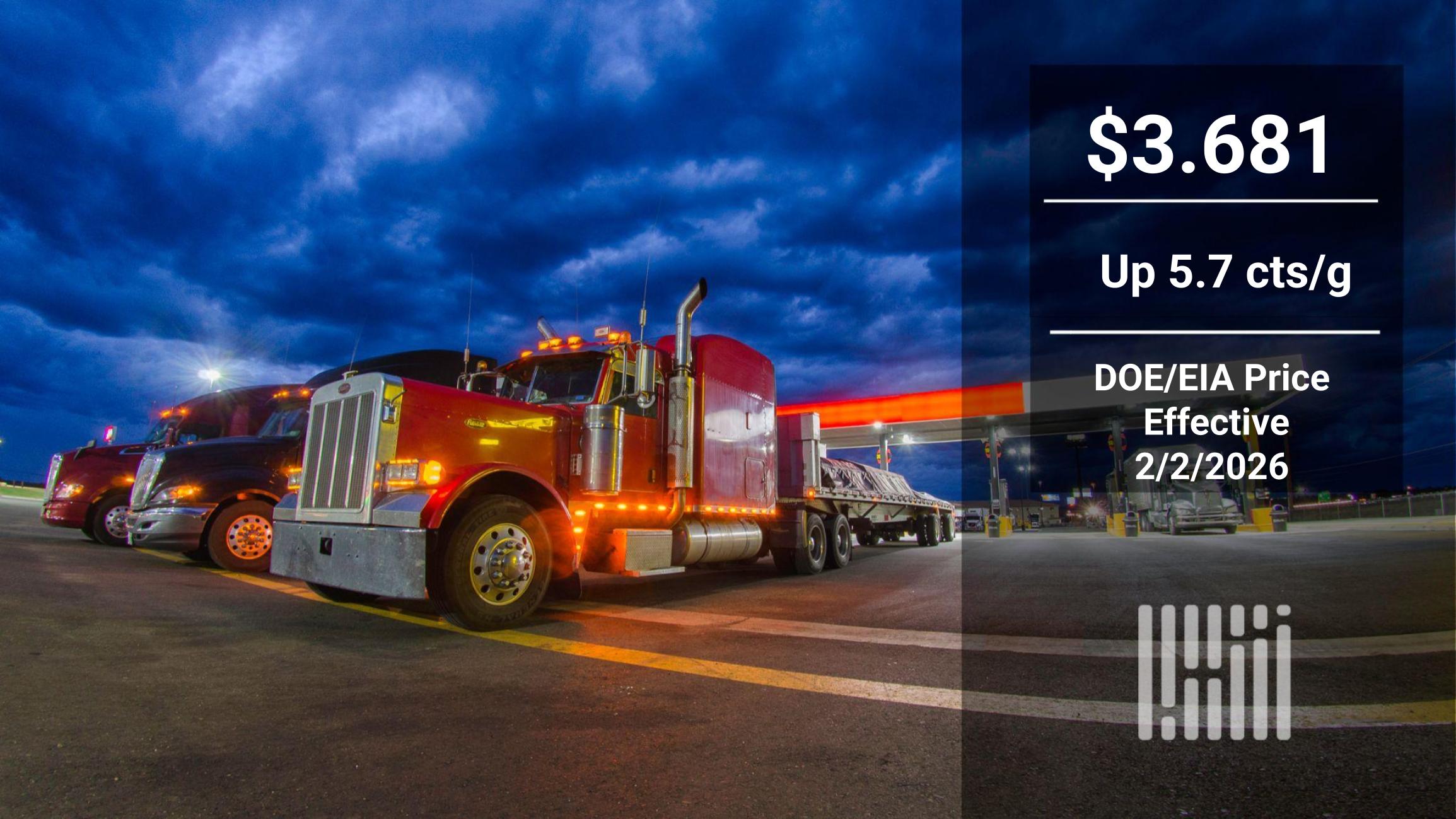
The Department of Energy/Energy Information Administration reported the U.S. average weekly retail diesel price rose by 5.7 cents per gallon to $3.681/gal, marking a third straight weekly increase and a cumulative rise of 22.2 cents over that span. At the same time, the front‑month ULSD futures contract on the CME surged to a February settlement of $2.7356/gal before rolling mechanics and weather expectations pushed the March contract materially lower.
How contract rolls and seasonality changed the headline
Because CME ULSD futures are traded as an “any” contract for a calendar month, the February contract covered any delivery during February and settled much higher amid the cold snap and higher heating oil demand. Once trading rolled into March, a generally warmer month, the front month price corrected: the March settlement on the last trading day was $2.533/gal, and early trading for the front month later fell further to around $2.275/gal. That represented a front‑month decline of roughly 46 cents per gallon from the February settlement, illustrating the mechanical effect of monthly rollover on quoted prices.
Price comparison snapshot
| Metrico | January 7 low | February settlement (Feb contract) | March front‑month |
|---|---|---|---|
| ULSD futures ($/gal) | $2.0567 | $2.7356 | $2.2750 |
| Change from Jan 7 | — | +33% | +14.7% |
| Retail diesel (DOE/EIA) | N/D | N/D | $3.681/gal (latest) |
Why the swings mattered to transport managers
Two practical points for logistics teams emerge from those moves:
- Surcharge planning: Retail diesel increases feed directly into fuel surcharge calculations for freight contracts, LTL and FTL pricing, and last‑mile delivery budgets.
- Timing and hedging: A one‑month futures spike can look dramatic on a PL sheet, but rollover mechanics and seasonal expectations can erase much of that gain in short order — which affects decisions about hedging and fixed‑rate contracts.
Structural factors pushing diesel higher than crude
Over the recent weeks diesel rallied far more than crude. From the January 7 ULSD trough at $2.0567/gal, ULSD rose about 33% to the high February settlement, whereas Brent crude climbed roughly 10.8% over the same interval. That divergence has analysts pointing to structural reasons, not just weather.
Light crude and distillate yields
One major theme: U.S. production growth has been dominated by light crude from shale, which yields less distillate (including diesel and heating oil) per barrel than heavier grades. The net result is an oversupply of light crude and relatively tighter distillate availability globally, which supports higher diesel refining margins even as crude itself shows modest appreciation.
Geopolitics and policy
Sanctions and regional policy moves also matter. Restrictions on imports of distillates refined from certain crudes can tighten European supplies and ripple into Atlantic Basin markets, reinforcing the price premium for diesel in some hubs.
Demand drivers beyond trucking
Diesel is the fuel not only of long‑haul trucking but of industry and backup power. One notable structural demand source called out by energy economists is the rapid buildout of data centers. The need for reliable onsite power and backup generation could increase demand for distillates used in stationary engines and standby generators — in short, a large data center expansion translates into steady diesel consumption even if road freight demand cools.
What logistics operators should watch
Operationally, logistics teams should keep an eye on:
- Front‑month futures premiums and the calendar spread between months.
- Retail diesel averages versus terminal hub pricing where fleets buy fuel.
- Regional regulatory changes affecting distillate trade flows (sanctions, import bans).
- Demand signals from non‑transport sectors (data centers, industrial backup power).
Practical implications for freight, haulage and moving
Higher diesel and volatile futures markets increase the challenge of budgeting for trasporto merci, inviare, e haulage. Fuel surcharges will likely remain a variable component of quotes, and transportation buyers should consider:
- Shorter contract review cycles or flexible surcharge clauses.
- Using carriers with transparent fuel indexing to avoid surprise pass‑throughs.
- Locking in partial hedges or prebuy programs if exposure is material.
Personally, I’ve sat in too many rate review meetings where a sudden spike in pump prices turned a comfortable margin into a headache — so I always tell procurement teams to run scenarios on both retail and futures feeds before signing long commitments. As the saying goes: forewarned is forearmed.
Key takeaways and notable nuances
In short:
- Seasonality and contract roll can create the appearance of a spike even when underlying month‑to‑month fundamentals soften.
- Diesel fundamentals are tighter than crude due to yield issues and changing trade flows, supporting higher refining margins.
- Operational planners should adapt fuel‑surcharge strategies and monitor both spot retail prices and futures curves.
The market highlight is that diesel has outpaced crude in recent weeks, but the most honest test is how these price moves affect actual shipping bills and carrier negotiations — data on lanes, volumes, and contract terms beats headlines every time.
On GetTransport.com, you can order your cargo transportation at the best prices globally at reasonable prices. This summary underscores the practical value of transparent, affordable platforms: you gain access to competitive options for office and home moves, cargo deliveries, and transport of large or bulky items like furniture, vehicles, or palletized freight. Book now GetTransport.com.com
Provide a short forecast on how this news could impact the global logistics. The recent diesel upswing is regionally meaningful — raising costs for truck freight, parcel delivery, and short‑haul distribuzione — but it is not, on its own, a global system shock. Still, it’s relevant for platforms and shippers who need to stay current; GetTransport.com aims to keep pace with such developments and help users manage cost exposure. For your next cargo transportation, consider the convenience and reliability of GetTransport.com.
To wrap up: recent ULSD futures moves reflected a cold‑weather premium, contract rollover mechanics, and deeper structural issues in diesel supply. Logistics managers should watch retail pump prices, futures spreads, and distillate availability when planning shipments, inoltro, oppure rilocazione. Efficient platforms that offer transparent quotes and diverse carrier choices can turn volatility into an opportunity to secure reliable, cost‑effective transport for cargo, freight, shipment, or bulky loads — whether local moves, international container shipments, or last‑mile delivery. GetTransport.com aligns with these needs by simplifying booking and providing competitive options across movers, pallet, container, and courier services.