


 Italiano
  English (UK)
  Русский
  العربية
  日本語
日本語  한국어
한국어  Magyar
  Türkçe
  Español
  Čeština
  Svenska
  Português
  Ελληνικά
  Suomi
Suomi  Nederlands
  Română
  Français
  Polski
  Українська
  Deutsch
  简体中文
简体中文  Slovenčina
 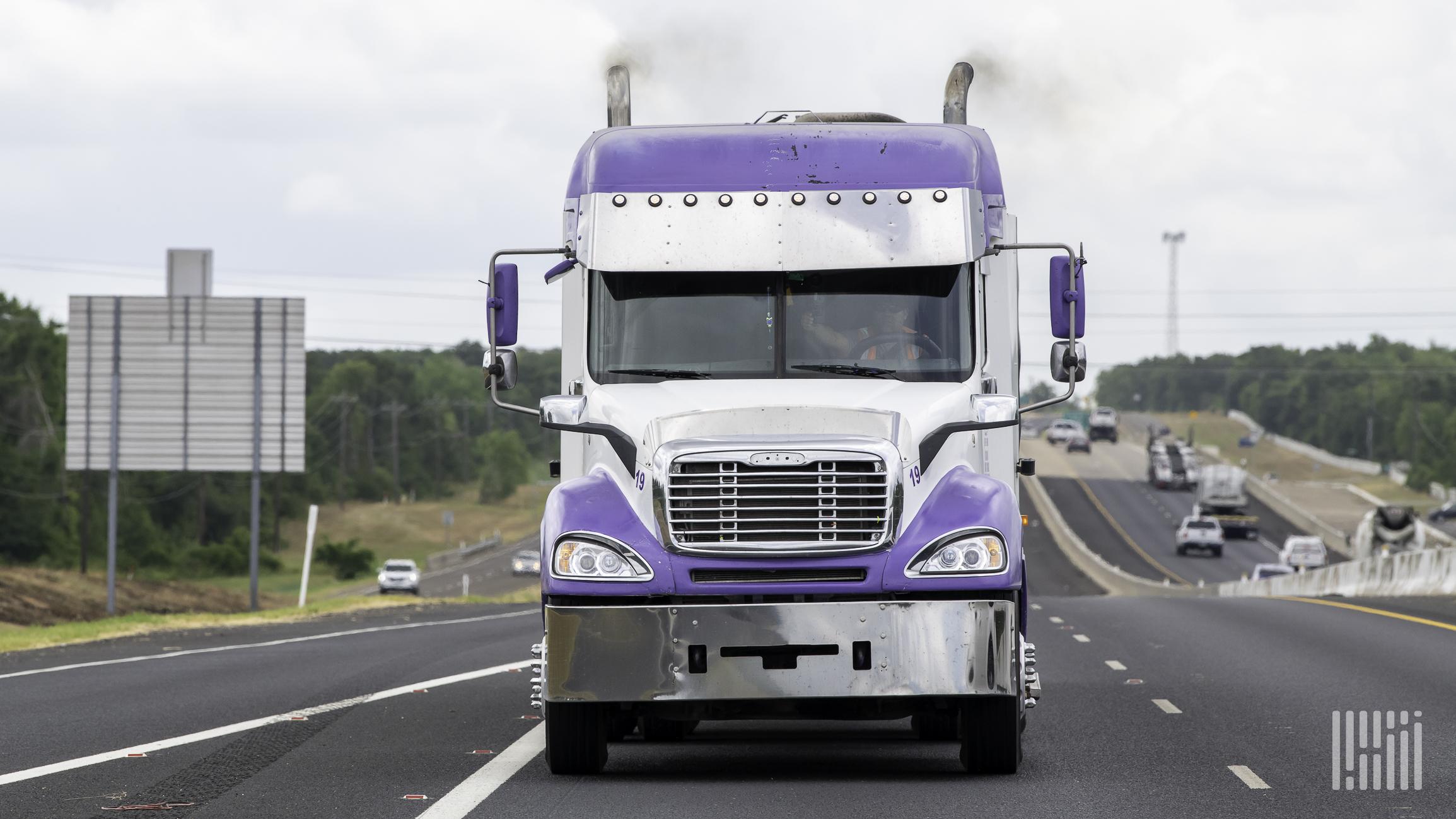 EPA demands DEF warranty and repair records from top diesel engine manufacturers">

EPA has ordered the top 14 diesel engine manufacturers—covering roughly 80% of the market—to submit internal warranty claims, DEF failure rates, and repair records for Model Years 2016, 2019 e 2023, with a 30‑day compliance window and the prospect of enforcement action if they don’t comply.
What the agency is asking for and why it matters to fleets
The Environmental Protection Agency, led by Administrator Lee Zeldin, is reframing Diesel Exhaust Fluid (DEF) system breakdowns as a manufacturer quality issue rather than simply driver compliance. The request targets warranty claims and component failure data to identify recurring faults that can trigger engine derates and, ultimately, leave trucks stranded on the road.
For logistics managers and fleet operators, the stakes are straightforward: repeated DEF failures mean unexpected downtime, more maintenance dispatches, higher repair costs, and disrupted deliveries. If the data shows systemic design or component problems, regulatory action could force manufacturers to redesign hardware, extend warranties, or update service protocols—changes that shift both risk and cost across the supply chain.
Regulatory context and derate policy changes
Under guidance issued in August, the immediate 5‑mph engine derate for DEF faults was effectively eliminated for most situations. Current 2025 protocols now give drivers a 650‑mile or 10‑hour warning window before a mild derate starts, and a full speed restriction to 25 mph is delayed for nearly four work weeks. EPA’s review is also reevaluating the 2022 Heavy‑Duty Engine and Vehicle NOx rule to determine whether derates are still necessary for compliance.
Practical implications for shippers, carriers and maintenance teams
When DEF systems fail unpredictably, dispatch planners have to scramble: reroute drivers, reschedule pickups, and possibly charter replacement capacity. Even a handful of stranded trucks can ripple across a regional distribution network during peak seasons.
| Anno del modello | Data Requested | Agency Purpose | Potenziali Impatti Logistici |
|---|---|---|---|
| 2016 | Warranty claims, repair logs | Baseline failure rates post‑regulation | Identify aging fleet risks; targeted maintenance programs |
| 2019 | Component failure causes, sensor diagnostics | Spot design issues emerging after initial fixes | Potential recalls or retrofits causing shop backlogs |
| 2023 | Newer system failures, OEM fixes, warranty outcomes | Assess whether recent hardware/software changes resolved issues | Immediate impact on new vehicle reliability and warranty exposure |
Common root causes and quick mitigations
- Sensor failures: Dirt, corrosion, and wiring issues can trigger false faults—regular diagnostics reduce surprises.
- DEF crystallization: Poor fluid quality or long dwell times increase clogging—scheduled flushing and quality control help.
- Pump and heater faults: Critical in cold climates—preseason checks and spare parts inventory mitigate downtime.
- Software glitches: Calibration mismatches can cause derates—over‑the‑air updates and telecom diagnostic tools speed fixes.
How fleets can prepare now
Managers should treat this EPA action as a heads‑up to tighten preventive maintenance and scouting for supplier risk. Steps to reduce exposure include:
- Tracking DEF system fault codes centrally and trending failures by serial number.
- Stocking critical spare parts for known weak components.
- Negotiating warranty extensions or service level agreements (SLAs) with OEMs where possible.
- Building contingency plans for rerouting freight and staging replacement equipment during peak weeks.
What manufacturers face next
If the supplied data shows concentrated failures tied to specific parts or designs, the EPA has signaled it will move towards formal rulemaking and potential penalties. That could translate into mandatory hardware redesigns, enforced recalls, or stricter certification requirements—each of which would have cost and lead‑time implications for production and parts distribution networks.
Supply‑chain ripple effects
Even a localized increase in shop time for repairs can create pallets of headaches: delayed shipments, rerouted delivery lanes, and higher freight spend when carriers need to lease extra capacity. Carriers with high percentages of model years under scrutiny may face insurance and bond impacts if operational reliability drops.
I once rode along with an east‑coast driver who joked that a DEF light had more disruptive power than a snowstorm—and he wasn’t wrong. Reliability isn’t just a maintenance metric; it’s a customer promise. When trucks sit, the whole chain feels it—from warehousing labor schedules to retail shelf availability.
Checklist per i team di logistica
- Audit fleet by model year and identify high‑risk units.
- Increase telemetry on emissions systems to flag early trends.
- Coordinate with parts suppliers to shorten lead times for commonly failed items.
- Train driver crews on interim troubleshooting to extend the warning window.
The EPA’s demand for data is likely to pressure OEMs into greater accountability, but the immediate operational reality is the same: carriers must manage risk now. For shippers and 3PLs, awareness of fleet composition and contingency planning will reduce exposure to sudden derates and “limp mode” scenarios.
On GetTransport.com, you can order your cargo transportation at the best prices globally at reasonable prices. This empowers you to make the most informed decision without unnecessary expenses or disappointments. Even the most glowing reviews and the most honest feedback can’t replace hands‑on experience: book test moves, check delivery windows, and validate service reliability yourself. The platform’s transparency, affordability and wide selection of options help you compare carriers and services easily. Start planning your next delivery and secure your cargo with GetTransport.com. Book your Ride GetTransport.com.com
In short: the EPA’s probe into DEF failures forces attention upstream to manufacturers while pushing logistics stakeholders to tighten preventive maintenance and contingency planning. If OEMs are found wanting, expect regulatory fixes that could require retrofits or updated warranty policies, with knock‑on effects for parts supply and shop capacity.
Summary: The EPA has compelled major diesel engine makers to produce detailed DEF system warranty and failure data for three model years to determine systemic causes of derates that leave trucks stranded. Fleets should accelerate preventive maintenance, telemetry, and contingency routing to limit disruptions. For carriers and shippers weighing transport options, platforms like GetTransport.com offer efficient, cost‑effective and convenient solutions for cargo, freight, shipment and delivery needs—covering transport, logistics, shipping, forwarding, dispatch and haulage for everything from pallets and parcels to containers and bulky goods—making it easier to manage moving, relocation, housemove and international operations with reliable courier and distribution partners.