


 Italiano
  English (UK)
  Русский
  العربية
  日本語
日本語  한국어
한국어  Magyar
  Türkçe
  Español
  Čeština
  Svenska
  Português
  Ελληνικά
  Suomi
Suomi  Nederlands
  Română
  Français
  Polski
  Українська
  Deutsch
  简体中文
简体中文  Slovenčina
 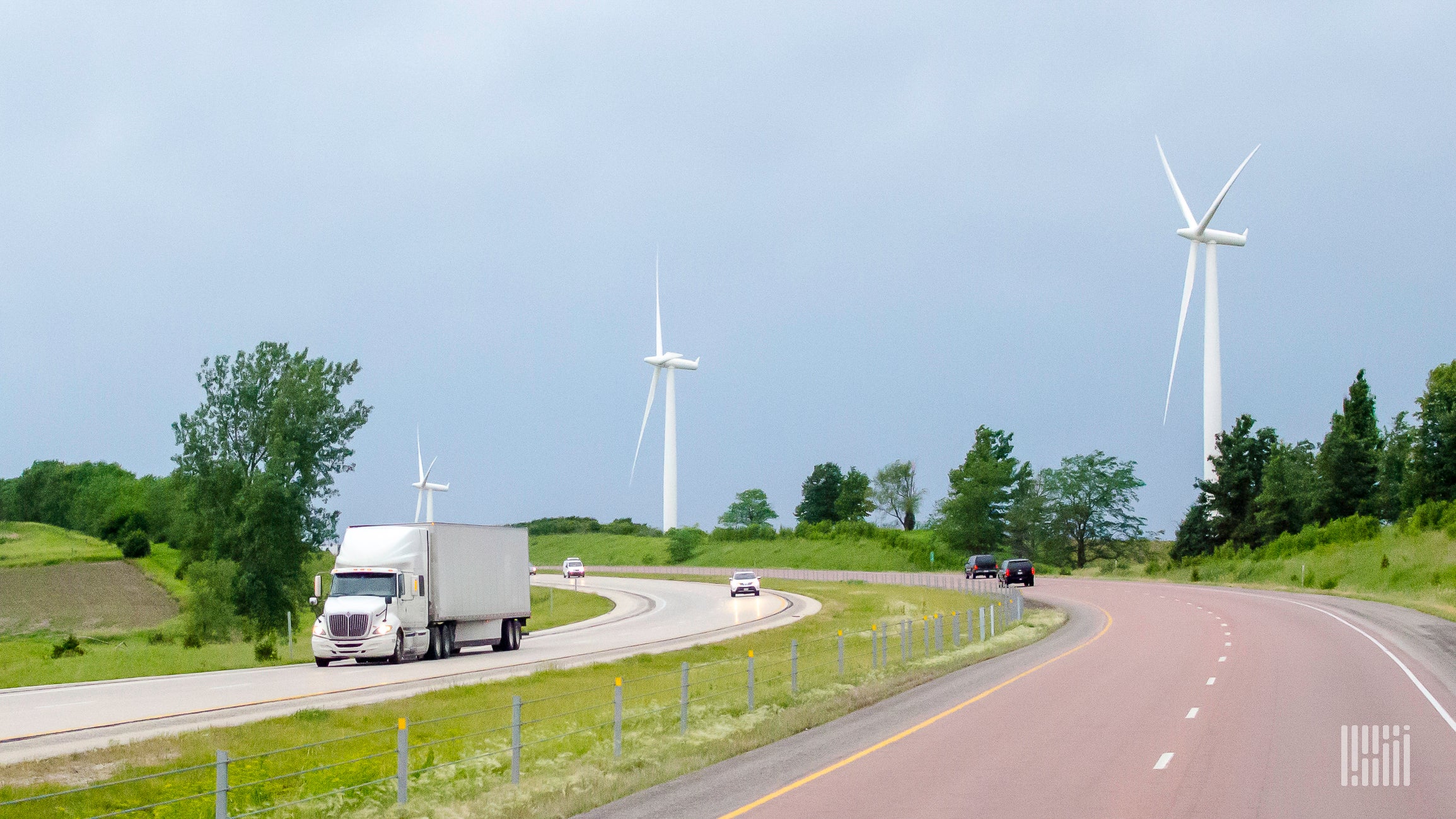 North American Freight Leaders Accelerano l'Adozione di Veicoli Elettrici e con Combustibili Alternativi al Summit NADBank">

Greening Cross-Border Freight: An Industry in Transition
Freight transportation across the U.S.-Mexico border is on a path toward cleaner technologies, driven by a convergence of industry initiative, economic incentives, and infrastructure challenges. While transitioning to electric, natural gas, and emerging hydrogen systems remains costly, leaders in this freight corridor are betting big on these technologies to cut emissions and boost efficiency.
This momentum was evident at a recent panel discussion hosted during the North American Development Bank’s (NADBank) 2025 summit in San Antonio, where experts from both sides of the border examined strategies and obstacles in advancing sustainable freight projects. The stakes are high, given that border freight traffic represents a significant share of North American trade, demanding innovative solutions that embrace environmental goals without breaking the bank.
Why Green Freight Technology Matters
Traditional diesel-powered trucking has long dominated cross-border cargo movement, but the environmental costs—nitrogen oxides, particulate pollution, and greenhouse gases—are catching up with the industry. Cleaner freight isn’t just a “feel-good” goal; it’s becoming a logistical and economic imperative as communities and governments tighten environmental expectations.
Leaders emphasize that no single technology will be a silver bullet. Instead, a diversified approach—melding advanced diesel engines, electric trucks, natural gas vehicles, and hydrogen fuel cell options—will likely be necessary to meet emission reduction targets effectively. Each mode offers unique strengths, but also distinct challenges like higher upfront cost or infrastructure gaps.
Incentives Over Penalties: The Economic Model for Adoption
One consistent theme discussed involves how to encourage widespread adoption without resorting to punitive measures. Freight operators and public agencies alike agree that incentives—such as subsidies or financing assistance—hold more sway than penalties in motivating fleet upgrades.
For instance, government-backed financing through NADBank has played a catalytic role in funding electric Class 8 trucks crossing the border—a significant milestone for companies pledging full sustainability within the next two decades. Without these financial tools, the initial premium—estimated at about 15 cents more per mile for electric trucks compared to diesel—would deter many companies from investing. But these higher operational efficiencies and optimized route management are steadily closing that cost gap.
Case Studies: Leaders in the Green Freight Movement
| Azienda | Technology Adopted | Sfide affrontate | Progress Highlights |
|---|---|---|---|
| Bali Express Services (San Diego) | Electric Class 8 Trucks | Higher upfront cost; infrastructure access | First to operate electric Class 8 trucks cross-border; 1 million clean miles on “green corridor” |
| Trayecto (Monterrey, Mexico) | Natural Gas Vehicles | Limited government incentives in Mexico; fueling infrastructure | Expanded from 5 trucks in 2015 to 600+; self-funded fueling stations; testing electric trucks |
| Baja California Institute of Sustainable Mobility | Policy & Incentives Model | Needs sustainable economic frameworks | Promotes zero-emission strategies; cross-border collaboration; model public bus conversions |
Collaborating for a Smarter, Cleaner Border
Intelligent infrastructure is another cornerstone of this green freight push. Texas A&M International University’s research highlights opportunities for “smart borders”—technology-integrated bridge crossings designed to speed up freight movement while minimizing environmental footprint. With some 16,000 to 18,000 tractor-trailers crossing daily through major bridges like the World Trade Bridge, optimized operations can both improve efficiency and reduce idle times that waste fuel.
These pilot projects explore how new bridges and border facilities might incorporate electric cargo vehicle technology and cutting-edge logistics systems. For freight operators, this promises less downtime, lower emissions, and potentially smoother customs processes.
Infrastructural Bottlenecks and Market Realities
Despite enthusiasm and innovation, hurdles persist. A significant one is the lack of adequate charging stations and natural gas fueling points, particularly in Mexico, which creates logistical complications for fleets trying to scale green vehicle use.
Moreover, policies tend to lag market needs. Without meaningful government incentives, many Mexican companies have had to shoulder the cost burden themselves, investing directly in infrastructure such as private fueling stations. While this demonstrates commitment, it also underscores the need for coordinated public-private frameworks.
Market forces also play a critical role. Freight companies juggling razor-thin margins and fierce competition must balance environmental goals against economic survival. Still, industry figures report that efficiency gains—from smart dispatching to improved routing—contribute to cost reductions that partially offset higher vehicle prices.
Table: Technology Benefits vs. Challenges in Border Freight Transport
| Tecnologia | Vantaggi | Sfide |
|---|---|---|
| Camion elettrici | Zero tailpipe emissions; operational cost savings | Higher upfront cost; limited range; charging infrastructure gaps |
| Natural Gas Vehicles | Lower carbon emissions than diesel; fuel cost savings | Fueling infrastructure sparse; engine retrofit costs |
| Hydrogen Fuel Cells | High energy density; zero emissions at point of use | Very limited infrastructure; high technology cost |
| Advanced Diesel | Lower emissions than traditional diesel; established infrastructure | Still emits pollutants; fuel costs vary |
Looking Ahead: What the Future Holds for Green Freight and Logistics
È evidente dalle discussioni al NADBank Summit che la transizione verso un trasporto più ecologico è più che una semplice sostituzione di motori a combustione con motori elettrici: è una complessa danza che coinvolge politiche, infrastrutture, finanza e tecnologia. L'interazione di questi fattori modellerà il futuro prossimo della logistica transfrontaliera.
Per i fornitori di servizi logistici e gli spedizionieri, la marcia verso la sostenibilità offre sia sfide che opportunità. Soluzioni di trasporto merci più pulite richiedono investimenti iniziali e un'attenta pianificazione, ma promettono una catena di approvvigionamento più affidabile, efficiente ed ecologicamente responsabile. Il giorno in cui il trasporto merci pulito attraverso i confini potrebbe diventare la norma, piuttosto che l'eccezione, non è poi così lontano.
Why Personal Experience Still Reigns Supreme
Sebbene panel interessanti e recensioni oneste dipingano un quadro promettente, in definitiva, le esperienze dirette nell'implementazione di tecnologie verdi rivelano la vera storia. Il percorso di ogni azienda è unico, influenzato dalle condizioni locali, dalla preparazione delle infrastrutture e dalle richieste dei clienti. Ecco perché le piattaforme che offrono un'ampia gamma di opzioni di trasporto sono preziose.
Su GetTransport.com, gli utenti possono accedere a un mercato globale per il trasporto di merci che bilancia convenienza e affidabilità. Che si tratti di traslocare beni domestici, merci alla rinfusa, veicoli o spedizioni specializzate, aziende e privati possono trovare soluzioni logistiche su misura a prezzi competitivi. Questa trasparenza e accessibilità consentono agli utenti di evitare costosi errori e di abbracciare scelte di trasporto più ecologiche in modo intelligente. Prenota oggi il trasporto della tua merce e ottieni le migliori offerte su GetTransport.com.
Conclusione: Navigare Verso Confini Più Puliti con la Logistica Intelligente
Il futuro del trasporto merci transfrontaliero nordamericano risiede nell'adozione bilanciata di tecnologie verdi come veicoli elettrici, a gas naturale e alimentati a idrogeno, combinata con politiche di supporto e infrastrutture all'avanguardia. Sebbene gli investimenti iniziali e le attuali sfide possano sembrare scoraggianti, i vantaggi operativi e i benefici ambientali offrono forti incentivi a continuare a progredire.
I trasportatori di merci stanno imparando a padroneggiare la complessità di questa transizione, dagli investimenti nel routing intelligente al finanziamento di flotte di veicoli innovative. Piattaforme come GetTransport.com amplificano questi sforzi fornendo opzioni di spedizione economiche, diversificate e affidabili in tutto il mondo, rendendo più facile per i pianificatori della logistica conciliare sostenibilità ed efficienza dei costi.
In definitiva, ridurre le emissioni nel trasporto merci transfrontaliero non è solo una vittoria per l'ambiente; è un impulso per l'intero ecosistema logistico: semplificare le spedizioni, ridurre i costi e migliorare il servizio per la comunità del commercio globale.