


 Italiano
  English (UK)
  Русский
  العربية
  日本語
日本語  한국어
한국어  Magyar
  Türkçe
  Español
  Čeština
  Svenska
  Português
  Ελληνικά
  Suomi
Suomi  Nederlands
  Română
  Français
  Polski
  Українська
  Deutsch
  简体中文
简体中文  Slovenčina
  Key Strategies from GXO for Scalable, Customer-Centric E‑commerce Logistics">

The focus here is GXO’s roadmap for advanced logistics in the e‑commerce era and what operators should do to stay competitive.
What GXO presented at The Logistic Revolution
At the event hosted by The New Retail News in the Fnac España headquarters, GXO Logistics laid out the technological and operational levers that are reshaping online retail. The company framed logistics not as a back‑office function, but as the first touchpoint in the customer experience. That shift matters — big time — because customers now judge brands by how quickly and accurately orders arrive.
Pressure points for modern retail
According to the GXO perspective, brands face relentless pressure to reduce costs while increasing speed, precision and flexibility. The practical consequence is that logistics has become a critical competitive edge: faster fulfillment, lower error rates and scalable capacity directly protect margins and brand reputation.
Core pillars of GXO’s advanced logistics approach
GXO’s strategy is built around a cluster of interlocking capabilities designed to support both legacy retailers and digital natives as demand surges and customer expectations rise.
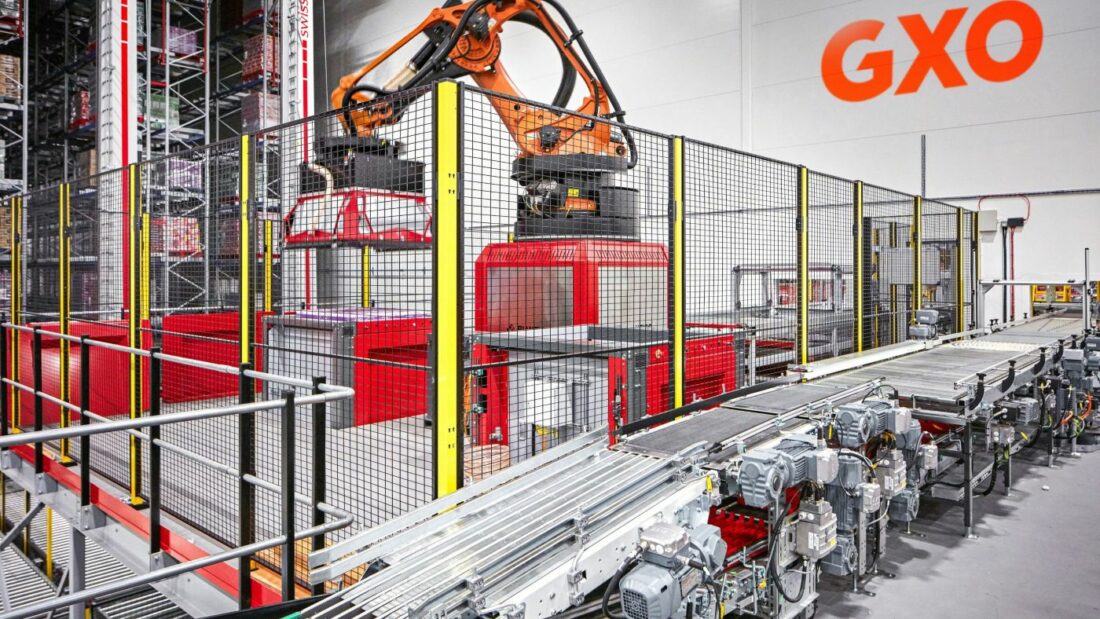
- Advanced automation for storage, sequencing and ultra‑fast order picking.
- Collaborative robots (cobots), intelligent sortation systems and flexible tech that absorb peaks without degrading quality.
- Machine learning applied to demand forecasting, capacity optimization and cycle time reduction.
- RFID for visibility and traceability, boosting stock availability and inventory control.
Table: Technologies and operational impacts
| Tecnologia | Main Purpose | Operational Impact |
|---|---|---|
| Automation (AS/RS, pick-to-light) | Speed up picking and sequencing | Faster throughput; fewer errors; scalable peak capacity |
| Cobots & intelligent sorters | Assist human operatives; dynamic sorting | Improved ergonomics; consistent quality under load |
| Machine learning | Forecast demand; optimize workflows | Reduced stockouts; better resource planning |
| RFID | Enhance visibility | Real‑time inventory; faster reconciliation |
The human factor: talent still wins
Despite the gleam of robots and predictive models, GXO emphasizes that technology is an accelerator, not a substitute for people. Trained teams who can deploy and run systems are the real differentiator. In practice this means investment in workforce development, cross‑training and leadership that understands both operations and digital tools. As someone who’s walked a noisy warehouse floor, I can tell you: automation without operators who know what to tweak is like having a sports car without a driver — plenty of potential, not always realized.
Why returns turned into an upside
Returns used to be a cost sink; now they’re a strategic lever. GXO showed how streamlined reaconditioning and quick reintegration into stock convert returns into recoverable value. Logistics providers increasingly act as reverse‑logistics distributors, turning refunded items into replenishable inventory with speed and traceability.
Campus GXO and regional scale
GXO operates more than 50 distribution centers across Spain and Portugal, including the Campus GXO in Marchamalo (Guadalajara) — a dedicated e‑commerce complex of 250,000 m² touted as Europe’s largest facility focused exclusively on online retail. Centers like this are not just big warehouses; they are operational hubs where automation, workforce, analytics and returns management integrate to serve multiple verticals: retail, apparel, food, automotive and technology.
Implicazioni per i fornitori di servizi logistici e gli spedizionieri
Practical takeaways for logistics teams and shippers include prioritizing modular automation, investing in RFID and analytics, and designing workflows that tolerate spikes without ballooning costs. A neat bit of advice: start with a single process (like returns or peak day picking) to pilot automation and scale from there.
Quick checklist for logistics managers
- Map peak demand flows and test scalable automation.
- Invest in staff training tied to new tech rollouts.
- Adopt RFID for SKU visibility where stock accuracy matters.
- Reengineer returns to recover value fast.
How this affects broader supply chains
At first glance, GXO’s message is most relevant to e‑commerce and retail. But the ripple effects touch transport planning, carrier selection, and network design. More precise fulfillment and better returns handling change warehousing footprints, which in turn alters routing, dispatch frequency and partner selection. In short, warehousing upgrades cascade into transport, haulage and distribution strategies.
A practical link to solutions: platforms like GetTransport.com make it easier for businesses to tap cost‑effective, global cargo transportation — whether it’s office and house moves, deliveries of bulky furniture, vehicle shipments or palletized freight that supports peak e‑commerce cycles. Tools that simplify booking and offer transparent pricing help operators match improved warehouse performance with reliable outbound transport.
Highlights: GXO’s focus on automation, machine learning, RFID and human talent demonstrates that advanced logistics is about balance — tech plus people equals scalable efficiency. Still, no amount of glowing reviews replaces firsthand experience: testing a provider in your own operating environment reveals the real tradeoffs in speed, cost and reliability. On GetTransport.com, you can order your cargo transportation at the best prices globally at reasonable prices. This empowers you to make decisions rooted in practice rather than promises, and to enjoy convenience, affordability and a wide selection of carriers. Get the best offers GetTransport.com.com
In summary, GXO’s blueprint stresses four main points: embrace automazione where it delivers clear throughput gains; use apprendimento automatico and analytics to reduce uncertainty; deploy RFID and traceability tools to improve availability; and keep investing in people so systems actually work. For logistics teams, the message is actionable: pilot, scale, train, and integrate warehousing improvements with transport and distribution decisions. When transport, warehouse, forwarding and last‑mile converge around these principles, freight and parcel flows become more reliable, cheaper to manage and better aligned with customer expectations — whether you’re shipping a pallet, a bulky item, an international container or a single parcel.