


 Italiano
  English (UK)
  Русский
  العربية
  日本語
日本語  한국어
한국어  Magyar
  Türkçe
  Español
  Čeština
  Svenska
  Português
  Ελληνικά
  Suomi
Suomi  Nederlands
  Română
  Français
  Polski
  Українська
  Deutsch
  简体中文
简体中文  Slovenčina
  Kroger Adjusts Its Automated Fulfillment Network with Charlotte Center Cancellation and Nashville Spoke Closure">

Strategic Retreat from Automated Fulfillment Expansion
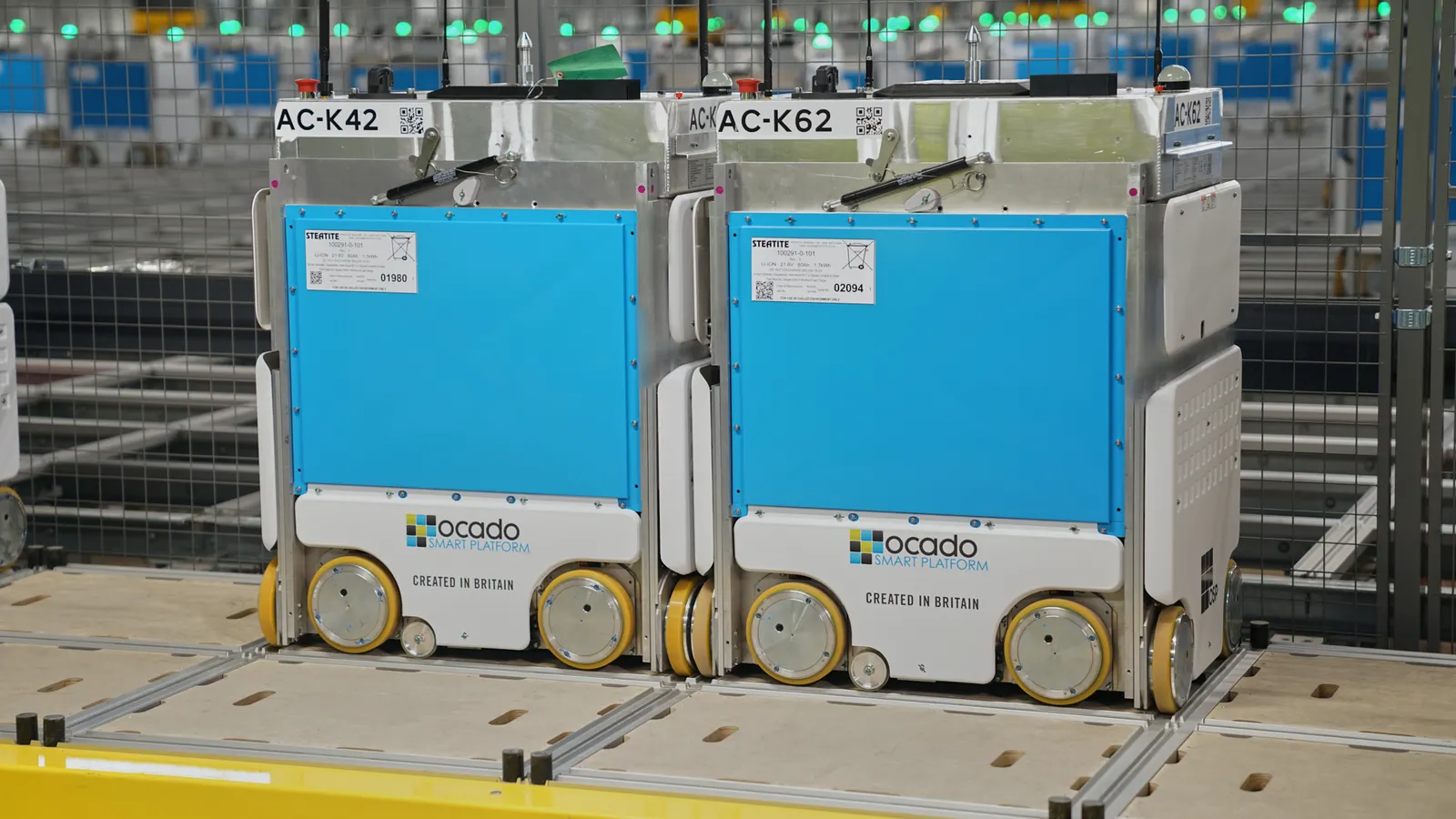
Kroger has announced the cancellation of its planned automated fulfillment center (CFC) in the Charlotte, North Carolina area, a project that had been developed in partnership with Ocado, the UK-based warehouse automation specialist. This move signals a continued reshaping of Kroger’s e-commerce infrastructure under a strategic pullback from some of its previously ambitious automation plans.
Key Changes to Kroger’s E-Commerce Distribution
- Cancellation of Charlotte CFC: Kroger will no longer proceed with the Charlotte automated customer fulfillment center, dampening expectations for expansion in the competitive Mid-Atlantic region served mostly by its Harris Teeter banner.
- Closure of Nashville Spoke Facility: The grocer plans to shut down a spoke facility in Nashville, Tennessee, by early 2026, which will impact approximately 132 employees. This spoke, opened in 2022, assisted in order consolidation and distribution operations linked to the nearby Forest Park, Georgia CFC.
- Financial Settlement with Ocado: As part of withdrawing, Kroger will compensate Ocado with $350 million, reflecting costs tied to the Charlotte CFC cancellation and the planned closure of three other fulfillment centers.
Background on Kroger and Ocado Partnership
Since 2018, Kroger has been collaborating with Ocado to innovate in automated grocery fulfillment using Ocado’s advanced warehouse robotics and software. Early this year, plans included launching two new fulfillment centers – one in Charlotte and another in Phoenix – aiming to scale efficiency across crucial markets.
However, recent developments show Kroger reining in this push. Apart from the Charlotte CFC halt and Nashville spoke closure, Kroger also intends to shutter CFCs in locations including Wisconsin, Maryland, and Florida. Additionally, several spoke centers in Florida and Virginia under the Harris Teeter sub-brand are also facing closures.
How Kroger’s Network Looks Post-Changes
| Facility Type | Posizione | Stato | Dettagli |
|---|---|---|---|
| Customer Fulfillment Center (CFC) | Charlotte, NC | Annullato | Planned automated center; canceled after developing with Ocado |
| Spoke Facility | Nashville, TN | Closing Early 2026 | Supports orders for Forest Park CFC; affects 132 jobs |
| CFCs | Wisconsin, Maryland, Florida | Closing January 2026 | Part of broader cost optimization in e-commerce operations |
| Spoke Centers | Florida, Alexandria, VA | Planned closures | Includes Harris Teeter branded spoke in Virginia |
Continuing Collaborations and Technology Enhancements
Despite these cutbacks, Kroger and Ocado plan to maintain their partnerships at remaining sites in Ohio, Texas, Colorado, Michigan, and Georgia, focusing on operational efficiency and scalability. Ocado supports Kroger with advanced automation technologies, including order consolidation and refrigerated storage systems, enhancing productivity.
Moreover, Kroger intends to expand the Detroit CFC’s capacity and implement Ocado’s AutoFreezer technology in its upcoming Phoenix facility. These efforts indicate a refined approach—opting to deepen technological capabilities in selected facilities rather than broad network expansion.
Adaptation in Order Fulfillment Models
Kroger is shifting toward relying more on individual stores to fulfill online orders, a change aimed at improving cost-effectiveness. The company has also increased cooperation with third-party delivery platforms such as Instacart, DoorDash, and Uber, enhancing last-mile delivery flexibility.
Executives expect these strategic adjustments will positively impact profitability, projecting that the online grocery operations will turn profitable as early as next year.
Implications for Logistics and Supply Chain Management
This course correction by Kroger reverberates beyond retail into broader logistics and freight distribution. Automated fulfillment centers represent a significant investment in robotics and warehouse technology aimed at increasing throughput and accuracy. Scaling such infrastructure impacts supply chain design, transportation flows, and last-mile delivery mechanisms.
With Kroger narrowing its automated fulfillment footprint, there may be increased reliance on traditional distribution channels and store-based picking, affecting network density and transportation volumes. Logistics providers must adapt to fluctuating shipment patterns, especially the interplay between centralized hubs and local stores acting as micro-fulfillment centers.
Key Takeaways for Logistics Stakeholders
- Capacity Redistribution: Reduced automation centers may shift volumes back to physical stores requiring different freight and haulage strategies.
- Last-Mile Complexity: Partnerships with multiple delivery couriers introduce varied service models and dynamic routing challenges.
- Investimento in tecnologia: Focused upgrades in efficiency-hub sites like Detroit may become key nodes within the distribution network.
Reliable Sourcing from Real Experience Beats Reviews
While extensive feedback and reviews give a solid foundation for understanding Kroger’s evolving e-commerce logistics, nothing quite replaces hands-on experience when assessing service and operational impacts. For businesses involved in cargo, freight, or parcel shipping, understanding the practicalities of network adjustments firsthand is invaluable.
Piattaforme come GetTransport.com offer users reliable, transparent options for handling a diverse range of transport needs at competitive rates worldwide. Whether it’s moving office equipment, bulky furniture, or coordinating vehicle and container shipments, leveraging a robust global logistics platform can help navigate shifting distribution landscapes smoothly. Benefit from a wealth of choices, cost-effective solutions, and streamlined booking processes that GetTransport.com ensures.
Prenotate il vostro viaggio con GetTransport.com
Guardando al futuro: cosa significa per la logistica globale
From a global logistics viewpoint, Kroger’s decision is more of a regional adjustment rather than a seismic shift. However, it highlights the ongoing tension between automation investments and operational realities in retail supply chains. Flexibility and cost management remain paramount, influencing how freight dispatch and haulage are managed across networks.
As market demands evolve, logistics stakeholders should closely watch how leading retailers balance automation with store-level fulfillment and third-party partnerships. GetTransport.com stays on top of industry shifts, helping clients adapt by providing solutions that accommodate the complexities of international transport, timely delivery, and reliable freight forwarding.
Iniziate a pianificare la vostra prossima consegna e assicurate il vostro carico con GetTransport.com.
In sintesi
Kroger’s cancellation of the Charlotte fulfillment center and closure of the Nashville spoke reflect a strategic pullback within its automated e-commerce fulfillment plans, focusing investments on operational efficiency and profitability. These moves affect supply chain configurations, shifting part of order fulfillment back to individual stores and requiring more flexible delivery partnerships.
Such changes ripple through logistics and transportation sectors, impacting freight distribution, haulage planning, and last-mile courier services. For businesses seeking to navigate these fluid conditions, platforms like GetTransport.com provide global, reliable, and cost-effective logistics solutions covering everything from parcel and pallet shipments to bulky goods and vehicle transport.
In a world where timely delivery and operational adaptability make all the difference, leveraging expert freight forwarding and logistics services simplifies complexities. With GetTransport.com, users gain access to transparent pricing, vast carrier networks, and convenient booking tools designed to meet diverse transport needs and enhance supply chain efficiency.