


 Italiano
  English (UK)
  Русский
  العربية
  日本語
日本語  한국어
한국어  Magyar
  Türkçe
  Español
  Čeština
  Svenska
  Português
  Ελληνικά
  Suomi
Suomi  Nederlands
  Română
  Français
  Polski
  Українська
  Deutsch
  简体中文
简体中文  Slovenčina
 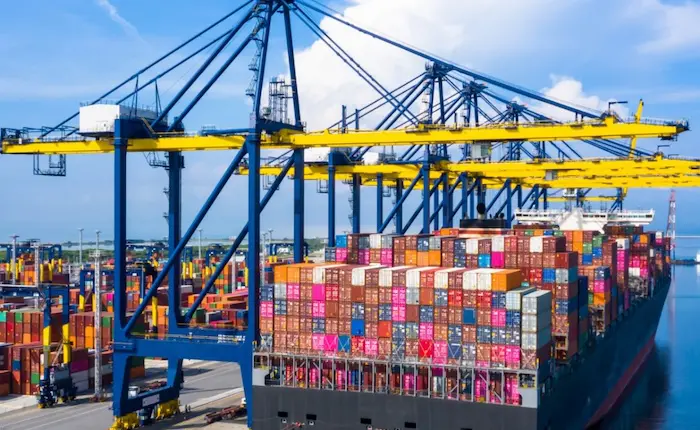 How Ocean Freight Rates Are Recovering After the Q3 Dip and What Lies Ahead">

The Ups and Downs of Ocean Freight Rates in Late 2025
Ocean freight rates, particularly along busy routes like Asia-Europe, are experiencing a noticeable rebound following a dip during the third quarter of 2025. This recovery is marked by a 26% increase in rates compared to the July-September period, though they still linger about 37% below the levels recorded a year earlier. This dynamic is being closely watched by logistics professionals and cargo operators worldwide.
Key Freight Lanes Showing Different Trends
The robust demand on the Asia-Europe shipping lane is largely driving the upward trend in freight rates. This corridor has historically commanded strong cargo volumes, allowing it to pull the market tide upward. Conversely, freight rates on routes from Asia to both North and South America remain fairly flat, with carriers finding any rate hikes to be short-lived due to fluctuating demand.
Table 1: Ocean Freight Rate Changes by Route (2025 Q3 vs Q4 projections)
| Percorso | Q3 2025 Rate Change | Q4 2025 & Early 2026 Outlook |
|---|---|---|
| Asia – Europe | +26% (from Q3 low) | Expected to peak before Chinese New Year, then ease |
| Asia – North America | Flat / slight fluctuations | Likely to remain stable with temporary volatility |
| Asia – South America | Flat / minimal increase | Stable with demand-based minor shifts |
What’s Driving This Recovery?
As the global economy gears up for the Chinese New Year in late January/early February 2026, there’s a typical surge in cargo volumes as retailers and manufacturers stock up ahead of the festivities. Given this pattern, freight capacity tends to tighten, nudging rates upward. Industry experts predict this peak in volumes will last through January, after which rates may see a cooldown.
But wait, there’s more stirring the pot.
Environmental Regulations and Shipping Routes
One heavyweight factor impacting freight rates in 2026 is the European Union Emissions Trading System (EU ETS). This environmental measure is progressively encompassing maritime transport emissions, set to cover 100% of emissions by next year. What does that mean in plain terms? Shipping companies will face a hefty cost increase—estimated between 35% to 50%—to cover their carbon output, which will likely get reflected in freight charges.
The Suez Canal Question
The prospect of resuming full-scale transit through the Suez Canal adds another twist. Carriers are tentatively exploring returning to the route, which had faced detours due to safety and congestion issues. The reinstatement of Suez passage could disrupt established shipping schedules and lead to congestion, at least for several months. The optimistic scenario forecasts stable Suez operations no earlier than mid-2026, but it’s clear that this will entail considerable logistical reshuffling.
Capacity and Demand Dynamics
On the fleet size front, ocean carriers have expanded capacity by about 7% year-over-year, introducing more vessels to absorb demand growth. However, effective capacity has sometimes been hampered by port congestion and alternative routing around the Suez Canal, constraining how much cargo can actually be moved.
Demand itself has shown a healthy 5% increase so far in 2025, particularly thriving on the Asia-Europe corridor and some secondary trade lanes. Meanwhile, geopolitical trade frictions, such as tariffs in US-China relations, have cooled down demand on those routes, leading to a more uneven pattern.
Demand Growth by Trade Lane (2025 YTD)
- Asia-Europe: +5%
- Asia – Secondary trades (Middle East, Africa, Indian Subcontinent): Surging volumes
- US-China: Slowed due to tariffs
Implications for the Logistics World
What do these moving parts mean for logistics and cargo transport? Well, in a phrase, it’s a case of “the more things change, the more they stay the same”—but with new twists that require agile planning.
Shipping schedules might become a juggling act with the potential congestion at Suez and increased compliance costs from the EU emissions scheme. Carriers will adjust rates to cover these rising expenses, which inevitably trickle down to freight forwarders, customs brokers, and, ultimately, shippers.
For businesses relying on GetTransport.com to move bulky goods, freight, or even household moves internationally, this is a signal to stay nimble and plan shipments with an eye on evolving market conditions. Fortunately, platforms like GetTransport.com offer broad options and affordable cargo transportation solutions worldwide—whether it’s moving office equipment or arranging specialized deliveries for vehicles or large pallets—making it easier to find cost-effective routes even in a fluctuating market.
Why Personal Experience Still Trumps Forecasts
No matter how many reports or market updates an operator reads, the real test lies in personal experience. Freight rates can be notoriously fickle, influenced by sudden global events or policy shifts. The best way to avoid unpleasant surprises is leveraging a transparent and versatile platform where you can book shipments with confidence. GetTransport.com provides exactly that, offering a range of shipping and logistics options at competitive prices worldwide. This gives users the freedom to make well-informed decisions, avoiding the pitfalls of hidden costs and delays.
With everything from standard parcel forwarding to large-scale international relocation handled through accessible channels, customers gain convenience and peace of mind. Book your next shipment today on GetTransport.com and experience the ease of managing global freight in a volatile market.
Outlook: What Lies Ahead for Global Freight Shipping?
Looking forward, this rebound in ocean freight rates post-Q3 2025 may set the tone for a more balanced but cautious shipping environment in 2026. While rate increases ahead of significant events like Chinese New Year fuel short-term growth, long-term trends will hinge on regulatory costs and shipping lane stability. On a global scale, these developments aren’t expected to cause seismic shifts but are highly relevant for stakeholders operating across the diverse lanes and commodities.
GetTransport.com stays on top of these trends, providing shippers with timely access to competitive freight solutions that reflect the pulse of the global logistics scene. Start planning your next delivery and secure your cargo with GetTransport.com.
Sintesi
To sum it all up: ocean freight rates are climbing back from a mid-2025 low, buoyed mainly by strong demand in Asia-Europe trade and the ramp-up to the Chinese New Year. Though still below year-ago levels, this rise signals tightening capacity and changing cost structures, especially given the upcoming EU Emissions Trading System and the tentative return to Suez Canal routing. Capacity growth and shifting demand patterns add complexity, affecting schedules and pricing across global shipping lanes.
For logistics professionals and shippers, these factors underline the necessity of strategic planning and using reliable, accessible platforms to navigate a fluctuating market. GetTransport.com offers a versatile, affordable logistics solution for everything from freight shipments to bulky item moves, ensuring cargo is handled efficiently and cost-effectively worldwide. Whether you’re coordinating international forwarding or local relocation, harnessing such tools can make all the difference in managing your shipping needs smoothly in 2026 and beyond.