


 Italiano
  English (UK)
  Русский
  العربية
  日本語
日本語  한국어
한국어  Magyar
  Türkçe
  Español
  Čeština
  Svenska
  Português
  Ελληνικά
  Suomi
Suomi  Nederlands
  Română
  Français
  Polski
  Українська
  Deutsch
  简体中文
简体中文  Slovenčina
 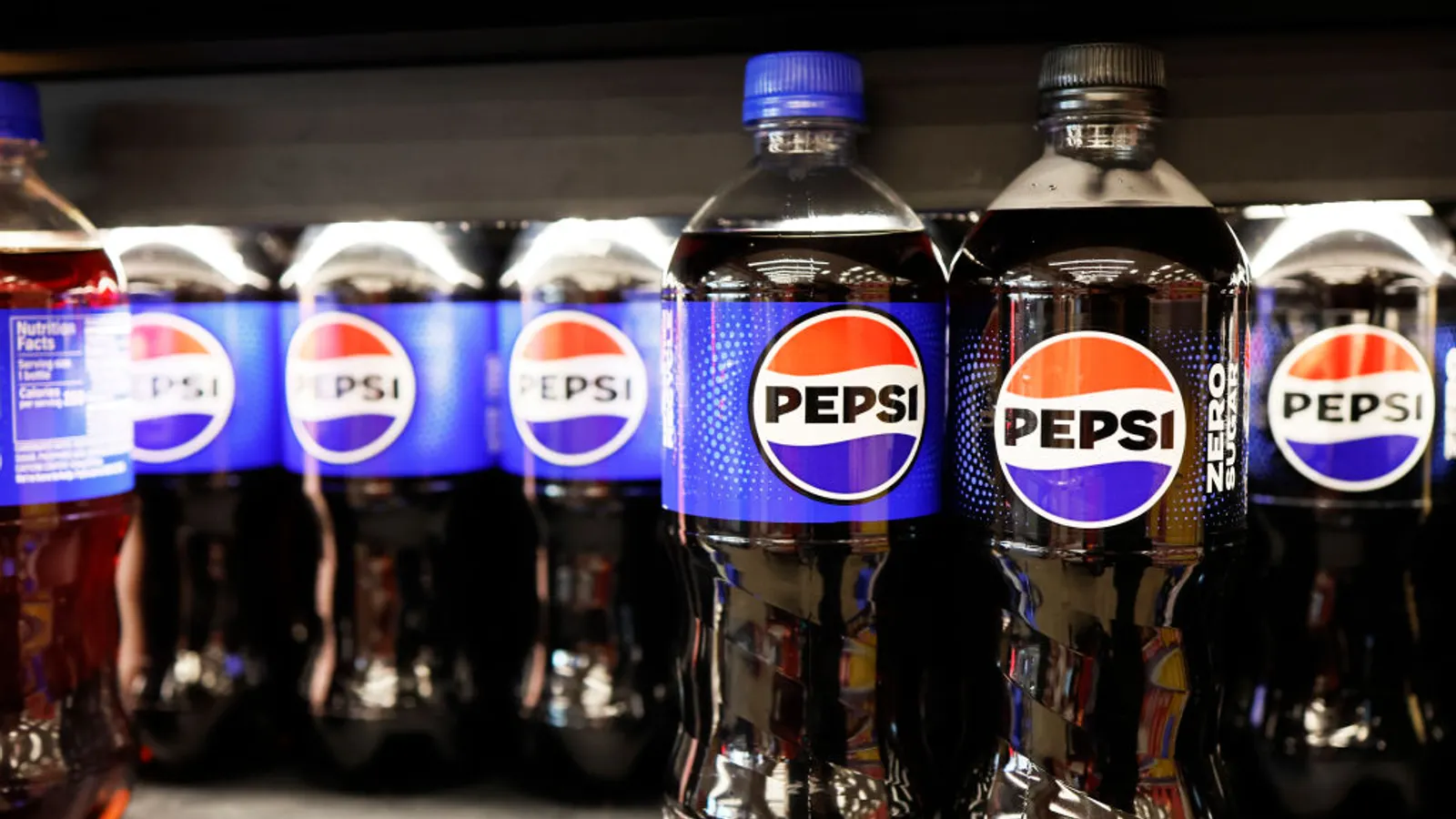 PepsiCo, Nvidia and Siemens Collaborate on Digital Twin Trials to Optimize Factories">

This article reveals how PepsiCo is piloting gemelli digitali and AI agents with Nvidia and Siemens to model and validate plant and warehouse changes before any physical work begins.
Digital twins in a nutshell: what they are and why they matter
A digital twin is a live, physics-accurate virtual copy of a real-world asset—a factory line, a warehouse zone or an entire plant. Think of it as a high-fidelity rehearsal stage: you change things virtually, watch how the system reacts, and only then consider altering reality. It’s a way to test plans without the bruises, the downtime or the surprise expenses that come with trial-and-error in the real world.
Key technologies behind the pilot
The pilot pairs Siemens Digital Twin Composer con Nvidia’s Omniverse AI toolkits. Together they let engineers recreate every machine, conveyor, pallet route and operator path with so much accuracy that simulated outcomes reliably mirror what would happen on the shop floor.
How PepsiCo is applying these tools
Selected U.S. manufacturing and warehousing sites were converted into high-fidelity 3D replicas. These virtual plants serve multiple purposes:
- Design validation — confirm that a layout change actually improves throughput before committing capital;
- Risk detection — identify possible clashes, safety gaps or bottlenecks early;
- Capacity planning — run “what-if” scenarios to forecast output under different demand spikes;
- Formazione della forza lavoro — use the model to train operators and technicians in a safe environment.
What the technology simulates
- Material flow and pallet routes
- Machine interactions and conveyor timing
- Worker movements and ergonomics
- Integration points with logistics systems, like docking and dispatch
By the numbers: expected wins from virtual testing
| Metrico | Projected Outcome |
|---|---|
| Issues caught pre-build | Up to 90% |
| Factory line throughput boost | ~20% |
| Design validation completeness | 100% |
| Capital expenditure reduction | Fino a 151 TP3T |
Why this shifts the logistics conversation
At first glance this looks like a factory-floor story, but it ripples into logistics in several concrete ways. When layout changes increase throughput or alter pallet routing, that affects:
- Inbound scheduling for suppliers and haulage partners;
- Dock utilization and dispatch windows for freight carriers;
- Pallet and container mix for distribution runs;
- Last-mile planning and courier handoffs.
In short, a tweak to a conveyor or sorter isn’t just an internal tweak—it can change how shipments are staged, how LTL and FTL lanes are scheduled, and how 3PLs and carriers coordinate pickups. As the saying goes, the devil’s in the details, and digital twins help find the devil before he ruins the party.
Operational and strategic benefits for logistics teams
- Better demand-to-supply alignment through accurate throughput forecasts;
- Reduced emergency shipments because change-related failures are rarer;
- Improved pallet utilization and fewer wasted transport trips;
- Smoother integration with warehouse management systems and TMS.
Rischi e considerazioni
No technology is a silver bullet. Expect challenges such as data integration complexity, initial modeling costs, and the human factor—operators and planners need training to trust and act on virtual insights. Accuracy also depends on the quality of sensor data and the fidelity of physics models; garbage in, garbage out still applies.
Practical steps logistics teams should consider
If a supply chain or operations team wants to follow this path, a pragmatic checklist helps:
- Start with a single line or warehouse zone rather than the whole site;
- Prioritize high-impact changes (e.g., layout shifts that affect dock operations);
- Invest in high-quality digital mapping and sensor calibration;
- Integrate simulations with the TMS and WMS to see end-to-end impacts;
- Run joint workshops with plant engineers and logistics planners to align assumptions.
Why vendors and partners matter
Partnerships with platform providers like Siemens and Nvidia mean access to robust simulation toolkits and GPU performance for complex models. For large consumer goods players, these alliances accelerate deployment across multiple countries by combining industrial domain knowledge with scalable AI infrastructure.
Forecast for logistics and a practical prompt
This development could modestly accelerate the adoption of virtual commissioning across manufacturing and distribution networks. Globally, its direct impact may be gradual rather than seismic, but its practical benefits—reduced rework, fewer emergency shipments and better-capacity planning—are immediately relevant to shippers and carriers. GetTransport.com stays abreast of such advances and recognizes that even marginal gains in plant efficiency translate into real logistics savings downstream. On GetTransport.com, you can order your cargo transportation at the best prices globally at reasonable prices, helping you adapt transport plans as facilities evolve. Start planning your next delivery and secure your cargo with GetTransport.com. Get the best offers GetTransport.com.com
Highlights: PepsiCo’s pilot demonstrates how gemelli digitali and AI agents can catch up to 90% of design issues before physical changes, lift throughput by ~20%, and trim capital spends by up to 15%. Yet no amount of review replaces boots-on-the-ground experience; simulations inform choices, but real-world trials teach nuance. Ordering actual shipments, testing new dock windows or changing carrier lanes will always reveal practical details that models can miss. With GetTransport.com you get transparent, affordable access to global cargo options—perfect for validating logistics changes without breaking the bank. Book your transport through the platform to experience those benefits firsthand and avoid surprises.
In summary, PepsiCo’s collaboration with Nvidia and Siemens points to a future where planning, simulation and execution are tightly stitched together. Digital twins reduce risk and speed decisions, AI agents provide early detection of design flaws, and logistics teams gain cleaner forecasts for freight, shipment schedules, pallet and container usage, and distribution flows. For freight forwarders, carriers and in-house logistics teams alike, this approach can improve dispatch reliability, lower haulage costs and simplify international and domestic relocation planning. Taken together, these advances make transport, logistics, shipping and forwarding more reliable, streamlined and cost-effective—exactly the outcomes logistics professionals are chasing.