


 Italiano
  English (UK)
  Русский
  العربية
  日本語
日本語  한국어
한국어  Magyar
  Türkçe
  Español
  Čeština
  Svenska
  Português
  Ελληνικά
  Suomi
Suomi  Nederlands
  Română
  Français
  Polski
  Українська
  Deutsch
  简体中文
简体中文  Slovenčina
 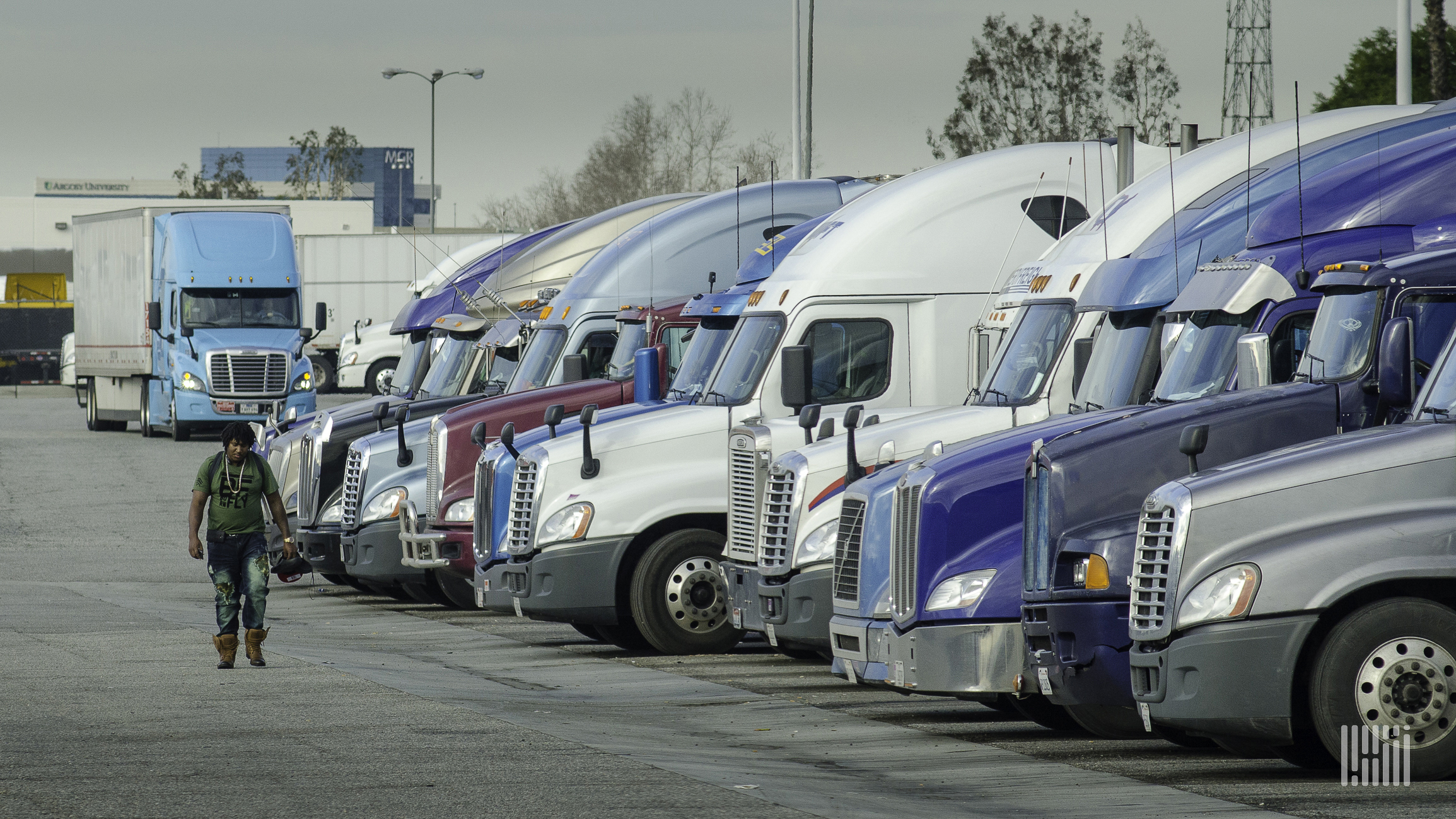 Come i Teamsters rivelano la loro visione per la sicurezza e la formazione degli autotrasportatori nel prossimo disegno di legge sulla strada">

Introduction to Teamsters’ Highway Bill Agenda
The Teamsters union, representing a vast network of truck drivers and related workers, has laid out its priorities for the upcoming U.S. highway bill reauthorization. Their focus centers on maintaining strict hours of service rules, setting tight safety regulations on emerging autonomous trucks, and boosting training programs for new drivers. These objectives highlight a commitment to workforce safety and adapting to technological shifts in the industry.
Protecting Drivers Through Hours-of-Service Regulations
One of the cornerstone demands from the Teamsters is to oppose any attempts to dilute the current federal hours of service (HOS) rules that limit the time truck drivers can operate vehicles. The union argues these rules are critical in battling driver fatigue, a notorious factor behind many roadway accidents.
They also reject proposals that would allow states or other entities more leeway to waive or modify these service hours. The message? Fatigue management is non-negotiable and must remain federally consistent to keep roads safe for all.
Key Safety Proposals on Autonomous Vehicles
With automated driving technology rapidly advancing, the Teamsters want Congress to ensure a robust safety regulatory framework for autonomous vehicles (AVs), especially heavy trucks. Here’s a breakdown of their proposals:
- New inspection standards: All AVs should undergo comprehensive vehicle inspections before and during operations, overseen by the Federal Motor Carrier Safety Administration (FMCSA).
- Regulatory accountability: Personnel supervising any aspect of AV operations must comply with all FMCSA rules, including holding valid commercial driver’s licenses and observing hours of service requirements.
- Authority to revoke: FMCSA should have the power to suspend or revoke operators’ authorization over safety concerns.
- Hazardous materials ban: Fully driverless AVs should not be permitted to haul hazardous materials due to the increased risks involved.
- Job impact considerations: Congress should address job displacement concerns and support retraining programs for impacted drivers as AV technology gains ground.
- State policies allowed: Federal standards should not preempt stricter state regulations designed for AV safety.
- Federal Safety Standards: Compliance procedures for AVs should not rely on self-certification but must meet new federally mandated safety standards.
Boosting Driver Training Programs
The Teamsters strongly urge the addition or expansion of grant programs to support institutions involved in training commercial drivers. Priority is given to nonprofit entities like labor unions that operate high-quality facilities dedicated to providing affordable, accessible CDL training.
Currently, the Teamsters operate over 20 such centers nationwide, delivering low- or no-cost training that yields impressive graduation rates and job placements. Their vision is for these programs to continue growing and equipping safer, more skilled drivers to meet industry demands.
Enhancing Safety Monitoring and Compliance
Concerns about trucking companies evading proper safety oversight have been raised by the Teamsters, who note that some use fleets contracted out under unique DOT numbers to sidestep thorough FMCSA safety evaluations. This loophole means safety records slide under the radar because the contracted carriers’ safety performance is not fully attached to the main contracting company.
To tighten this, they propose that FMCSA’s Compliance, Safety, Accountability (CSA) program expand its scope to measure and enforce safety metrics on entities utilizing large contracted fleets. The goal is a more transparent and accountable safety landscape across all tiers of trucking operations.
Age Restrictions and Structured Truck Driver Programs
The union stands firmly against loosening age restrictions to allow 18- to 21-year-olds to drive interstate trucks without guardrails in place. Simply opening the door to younger drivers, they say, won’t solve turnover or retention issues in long-haul trucking unless accompanied by well-structured programs.
If the minimum interstate driving age is modified, the Teamsters call for mandatory, rigorously designed training involving extensive behind-the-wheel time and clear pathways to stable employment — a safety-first approach rather than cutting corners.
Preventing Return-to-Work Discrimination
Another key concern involves drivers attempting to return to work after drug or alcohol violation incidents documented in the FMCSA’s Drug and Alcohol Clearinghouse. The Teamsters report some employers refuse to hire these drivers not because of their violations, but because they don’t want to manage compliance with a return-to-work plan overseen by Substance Abuse Professionals (SAP) employed by previous companies.
The union advocates for legislative clarifications prohibiting such discriminatory hiring practices and supporting drivers who have met required rehabilitation and compliance standards.
Summary of Teamsters’ Key Priorities
| Focus Area | Teamsters’ Position |
|---|---|
| Hours of Service Rules | Oppose any changes that weaken federal regulations. |
| Veicoli autonomi | Require strict safety standards, accountability, and limit driverless operations, especially with hazardous cargo. |
| Driver Training | Expand grants and support nonprofit training centers for high-quality CDL education. |
| Safety Monitoring | Close loopholes for companies using contracted fleets to evade CSA safety oversight. |
| Età del conducente | Rifiutare l'abbassamento dell'età per la patente CDL senza programmi e salvaguardie strutturati. |
| Rientro al Lavoro | Vietare la discriminazione nell'assunzione basata sulla conformità ai piani di rientro al lavoro. |
Why This Matters for Logistics and Freight Transport
Queste priorità riflettono più che semplici richieste sindacali: sono parametri per il modo in cui i settori del trasporto merci e della logistica possono affrontare sfide in evoluzione. Sicurezza del conducente, formazione e integrazione responsabile delle tecnologie autonome. sono pietre angolari che si propagano attraverso l'intero merce, spedizione e consegna ecosystem. Servizi di autotrasporto efficienti e affidabili dipendono da autisti qualificati e riposati e da veicoli affidabili, rendendo queste normative fondamentali per operazioni logistiche fluide.
Inoltre, man mano che le società di autotrasporto si adattano a normative più severe e a mutevoli dinamiche della forza lavoro, piattaforme come GetTransport.com possono svolgere un ruolo fondamentale nel mettere in contatto spedizionieri con vettori affidabili che soddisfano questi standard in evoluzione, che tu stia trasportando mobili per ufficio, veicoli o merci ingombranti a livello internazionale o nazionale.
Orientarsi tra il feedback del settore e l'esperienza personale
Sebbene le recensioni e i feedback sui programmi di sicurezza e formazione per autotrasportatori forniscano spunti utili, niente batte l'esperienza diretta per comprendere l'efficacia nel mondo reale. Su GetTransport.com, i clienti hanno accesso a una vasta rete globale di opzioni di trasporto merci a prezzi competitivi, consentendo decisioni più informate senza spendere troppo o rischiare delusioni.
La trasparenza della piattaforma, la sua accessibilità economica e l'ampia gamma di opzioni ne garantiscono il ruolo di partner affidabile per le esigenze logistiche, dalla spedizione di semplici pacchi al complesso trasporto internazionale di merci. Prenota la tua corsa oggi a GetTransport.com per sfruttare questi vantaggi.
Looking Ahead: Implications for Global Logistics
Sebbene l'impatto immediato di questi cambiamenti di politica possa essere localizzato negli Stati Uniti, essi segnalano tendenze importanti per l'industria globale dei trasporti su strada e delle merci. Le normative sulla sicurezza, i quadri normativi per i veicoli autonomi e gli standard di formazione implementati qui spesso ispirano cambiamenti in tutto il mondo, plasmando il futuro del trasporto e della logistica.
Per GetTransport.com, rimanere all'avanguardia significa adattarsi a questi sviluppi per fornire ai clienti servizi di trasporto merci affidabili, conformi e convenienti attraverso le frontiere e i tipi di merci. Inizia a pianificare la tua prossima consegna e proteggi il tuo carico con GetTransport.com.
Conclusione
Le priorità del disegno di legge autostradale dei Teamsters evidenziano un costante impegno a sicurezza, formazione del conducente e regolamentazione di tecnologie autonome emergenti, con l'obiettivo di proteggere gli autisti, tutelare la forza lavoro e innalzare gli standard del settore. Queste misure hanno conseguenze di vasta portata per logistica, spedizioni di merci e trasporto, rafforzando un ecosistema di trasporto più sicuro ed efficiente.
Allineandosi a questi standard, i fornitori di servizi di logistica possono migliorare l'affidabilità del servizio e rispettare rigorosi protocolli di sicurezza, a beneficio sia degli spedizionieri che dei clienti finali. Piattaforme come GetTransport.com offrono una soluzione accessibile ed economica per connettersi con i trasportatori che incarnano queste qualità, semplificando le vostre esigenze di trasporto, trasloco o consegna di merci a livello globale.