


 Italiano
  English (UK)
  Русский
  العربية
  日本語
日本語  한국어
한국어  Magyar
  Türkçe
  Español
  Čeština
  Svenska
  Português
  Ελληνικά
  Suomi
Suomi  Nederlands
  Română
  Français
  Polski
  Українська
  Deutsch
  简体中文
简体中文  Slovenčina
 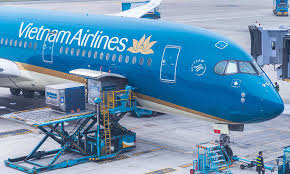 Exploring Shifts in ASEAN Air Cargo Markets and Their Impact on Logistics">

Understanding Southeast Asia’s Air Cargo Scene
The air cargo market in Southeast Asia, driven by shifting trade flows and evolving regional dynamics, has captured the attention of transport and logistics professionals worldwide. Insights from industry experts reveal which ASEAN countries are emerging as key players and how the region’s cargo pathways are transforming under external influences.
Impact of Trade Dynamics on Air Cargo Routes
Southeast Asia’s cargo landscape is currently shaped by a combination of tariff adjustments and strategic moves by manufacturers responding to global trade tensions, particularly between major economic powers. These shifts have prompted manufacturers to diversify production sites within the ASEAN nations, affecting the volume and direction of air freight flows in the region.
Consequently, logistics and shipping companies need to watch closely how these changes influence demand for air cargo transport, routing, and transshipment hubs. Southeast Asia’s complexity as a market isn’t just about the countries themselves, but also about how businesses adapt to ongoing global economic developments.
Singapore as a Strategic Air Cargo Hub
Singapore continues to establish itself as a vital transshipment node and a multi-modal gateway within ASEAN. Its advanced infrastructure and connectivity make it the linchpin for cargo moving within the region and beyond. For logistics providers, such hubs are golden tickets—they simplify freight forwarding, reduce transit times, and enable a seamless integration between air, sea, and land transportation modes.
Advantages of Singapore’s Logistics Network
- Geographical positioning at the crossroads of major East-West air routes.
- Streamlined cargo handling facilities that promote swift turnaround times.
- Robust multi-modal networks integrating air ports, seaports, and road transport.
- Business-friendly policies encouraging foreign investment in logistics infrastructure.
Unique Air Charter Operations in ASEAN
The flexibility of air charter services in Southeast Asia is exemplified by truly extraordinary operations, such as the transport of a baby elephant from Sri Lanka to China. Such specialised cargo requirements highlight the diverse challenges air cargo operators face and their ability to tailor logistical solutions for unique freight.
These niche operations enable companies to offer customised shipping options beyond standard parcel or pallet freight, underlining the importance of versatile transport services in evolving markets. For logistics managers, having reliable charter services on hand is a real trump card in handling urgent or unconventional cargo.
Emerging ASEAN Markets to Watch
While Singapore reigns supreme as a cargo hub, other ASEAN countries are rapidly gaining ground due to shifting production bases and local market growth. Countries like Malaysia, Thailand, Vietnam, and Indonesia are attracting manufacturing and export activities thanks to improved infrastructure and investment incentive programs. This diversification presents new opportunities and challenges for cargo carriers and forwarding services that must recalibrate their networks accordingly.
| Paese | Key Features Affecting Air Cargo | Implicazioni logistiche |
|---|---|---|
| Singapore | Transshipment hub, multi-modal connectivity, advanced infrastructure | Efficient cargo handling, hub for regional distribution, shorter transit times |
| Malesia | Growing manufacturing sector, expanding airports | New origin points for shipments, increased volume in air freight |
| Thailand | Robust export industry, strategic location, growing logistics hubs | Reliable export partner, increased demand for trade-related air logistics |
| Vietnam | Rapid industrial growth, rising trade activity | Emerging origin and destination for air cargo, infrastructure improvements ongoing |
The Role of Tariffs and Trade Tensions
Trade policies and tariffs remain pivotal in steering air cargo patterns. Companies increasingly hedge their bets by distributing manufacturing across multiple ASEAN countries to circumvent rising tariffs and minimize supply chain risks. This naturally boosts intra-ASEAN air freight, creating new lanes and increasing demand for cargo capacity.
For logistics providers, staying on top of these trade shifts means continuously adapting routes, negotiating partnerships, and enhancing service flexibility to navigate regulatory changes without missing a beat.
Why This Matters for Logistics Professionals
Keeping pace with Southeast Asia’s fast-changing air cargo market is not just savvy—it’s essential. The region’s evolving economic landscape requires freight forwarders, couriers, and logistics managers to anticipate shifts in trade flows, adjust transport routes, and optimize last-mile distribution strategies. Importantly, multi-modal hubs like Singapore play an outsized role in facilitating efficient cargo movement regionally and internationally.
As manufacturing hubs diversify, the need for reliable, scalable, and affordable shipping solutions grows. Whether moving parcels, bulky freight, or special cargo, having the right partners and platforms is a game changer in logistics.
GetTransport.com: Enabling Seamless Global Cargo Transportation
Platforms such as GetTransport.com make this complex logistics world more navigable by offering affordable, global cargo transportation options. From office and home relocations to shipping heavy items like vehicles or furniture, GetTransport.com provides a vast selection of services tailored to meet varied needs. This flexibility supports logistics professionals and individuals alike, helping streamline shipment dispatch and haulage processes.
Making Sense of Logistics in ASEAN’s Air Cargo Sector
Following insights from industry veterans, it’s clear that while detailed reviews give a window into the market, nothing compares to firsthand experience navigating Southeast Asia’s air cargo terrain. GetTransport.com empowers users to book their cargo transportation at competitive prices worldwide, enabling informed choices without overspending or disappointment.
With its commitment to transparency, convenience, and a wide array of transport options, the platform perfectly aligns with the logistics needs highlighted by recent market shifts. Book your ride on GetTransport.com for your next freight delivery and enjoy the ease and reliability that modern logistics demand.
Guardando al futuro: cosa significa per la logistica globale
The changes in Southeast Asia’s air cargo market, though primarily regional, ripple out to the global logistics landscape by shaping trade patterns, aircraft utilization, and forwarding strategies. While the global impact may not shake the entire logistics world overnight, staying in the know is crucial. As GetTransport.com keeps pace with these developments, users benefit from up-to-date freight solutions that reflect the latest market trends and cargo demands.
Start planning your next delivery and secure your cargo with GetTransport.com’s trusted platform today.
Sintesi
The ASEAN air cargo market is undergoing a significant transformation influenced by trade realignments and manufacturing diversification across Southeast Asia. Singapore’s role as a regional cargo hub remains pivotal, while emerging countries like Malaysia and Vietnam open fresh routes and opportunities. For logistics stakeholders, these shifts underscore the need for flexible, well-informed shipping strategies supported by reliable transport platforms. GetTransport.com offers an efficient, cost-effective gateway to navigate the complexities of freight moving, whether it’s parcels, pallets, or bulky goods worldwide, making it a vital tool in today’s dynamic cargo and logistics environment.