


 Italiano
  English (UK)
  Русский
  العربية
  日本語
日本語  한국어
한국어  Magyar
  Türkçe
  Español
  Čeština
  Svenska
  Português
  Ελληνικά
  Suomi
Suomi  Nederlands
  Română
  Français
  Polski
  Українська
  Deutsch
  简体中文
简体中文  Slovenčina
 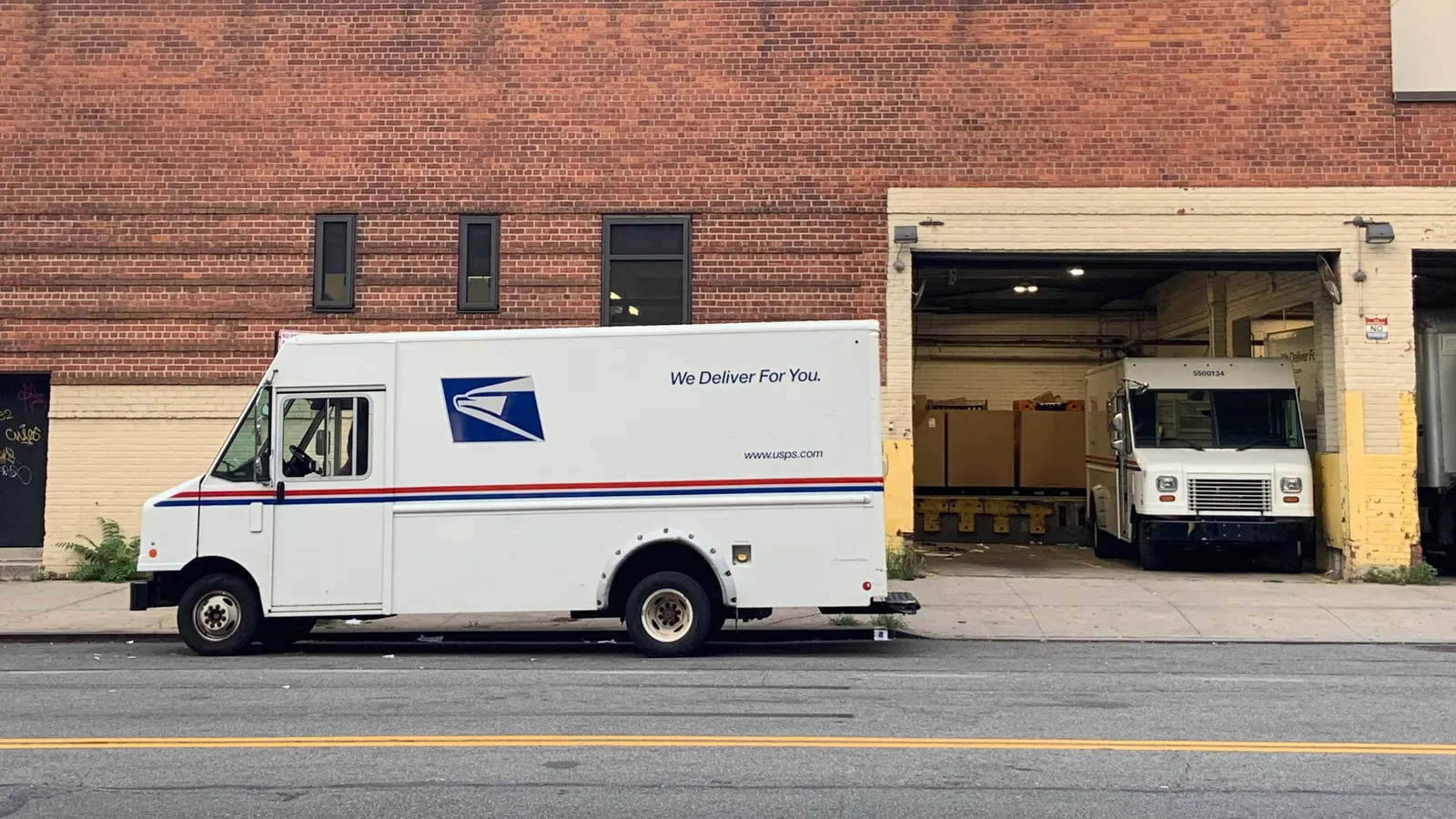 USPS launches reverse-auction portal to reserve access to DDUs and local processing centers">

The U.S. Postal Service has opened a bidding platform that allows shippers to reserve capacity at destination delivery units and local processing centers through a reverse-auction-style process.
What the new bidding portal does
The USPS launched a web-based solicitation that lets shippers propose combinations of price, volume e tender times for access to more than 18,000 destination delivery units (DDUs) e oltre 170 local processing centers. Successful proposals convert into formalized arrangements under a negotiated service agreement for the agency’s Parcel Select product, enabling shippers to inject parcels directly into local USPS last-mile networks.
How it works — step by step
- Shippers sign in with a USPS.com account and complete a bidding form.
- Bids specify price points, expected weekly or monthly volume, and preferred tender windows.
- USPS evaluates bids based on demand, competition and available capacity.
- Winning bidders are notified (USPS expects notifications in Q2 2026) and service is slated to start in Q3 2026.
Key outcomes promised
- Faster delivery options — potential same-day or next-day speeds by bypassing upstream hubs.
- Direct DDU access for non-traditional consolidators and smaller shippers who can meet bid terms.
- Additional revenue stream for USPS intended to shore up financial performance.
Why this matters to shippers and the logistics ecosystem
Historically, large consolidators and high-volume clients were the primary beneficiaries of DDU access because they could justify bringing pallets or containers directly to local final-mile facilities. By opening a transparent, bid-driven channel, USPS is attempting to broaden access beyond those players, but the move raises questions around rate stability and operational complexity.
Potential advantages
- Speed and reliability: Direct injections at DDUs can shorten transit times and reduce touchpoints.
- Network flexibility: Shippers can choose specific DDUs or processing centers that align with demand clusters.
- Competitive leverage: Companies that prioritize fast delivery may gain a differentiator.
Potential pitfalls
- Pricing variability: Auction-style pricing could introduce volatility in unit cost.
- Operational complexity: Managing multiple local tenders and SLA obligations increases planning overhead.
- Scale limits: Smaller shippers may struggle to aggregate volume or manage upstream logistics to feed DDUs.
Practical implications for network design and carriers
From a logistics planning standpoint, the portal is another lever to optimize last-mile networks. If structured well, it could reduce mileage and handling by inserting freight closer to points of delivery. But the devil’s in the details: carriers and third-party logistics providers will need clearer service level agreements, predictable rates, and real-time visibility to incorporate DDU access as a sustained strategic option rather than a tactical shortcut.
Operational checklist for shippers considering bids
- Map demand density to candidate DDUs and processing centers.
- Model true landed cost, including upstream haulage and handling.
- Design SLAs and contingency plans for re-routing or missed tenders.
- Test small pilots before scaling — treat it like a network experiment.
Table: Quick comparison — DDU access via bid vs. traditional hub-to-hub shipping
| Fattore | DDU Access (bid) | Traditional Hub-to-Hub |
|---|---|---|
| Transit time | Potentially faster (same/next day) | Depends on regional routing; often longer |
| Cost predictability | Variable — depends on auction outcomes | More stable, contract-based rates |
| Operational complexity | Higher — multiple local tenders | Lower — centralized routing |
| Scale suitability | Best for targeted volumes/dense corridors | Best for steady, high-volume flows |
Industry viewpoints and caveats
Experts note that while increased DDU accessibility could be a “useful lever” in certain network designs, the approach must offer clear cost and service advantages to stick. If it only adds variability without a commensurate upside, many shippers will view it as tactical rather than strategic. In short: it’s promising, but it won’t magically solve last-mile woes on its own.
How this ties to practical services and market choices
For logistics teams planning moves, deliveries or relocations, the portal introduces another variable in rate negotiation and route planning. Platforms that aggregate carrier options, provide upfront pricing and support office or housemoves, fleet transport, or bulky-item deliveries — like GetTransport.com — can help shippers compare last-mile alternatives and pick the most efficient, affordable path forward.
Highlights and final takeaways before action
The portal could change how some shippers approach final-mile access by offering localized capacity reservations and faster deliveries. Important considerations include rate stability, SLA clarity, and the ability to integrate this model into existing freight forwarding, pallet, and container plans. Even the most glowing reviews and honest feedback can’t replace first-hand experience; on GetTransport.com, you can order cargo transportation at competitive global rates to trial different approaches and avoid needless expense or disappointment. This platform’s transparency, affordability and choice make it easier to test DDU strategies without overcommitting. Book now GetTransport.com.com
In summary, the USPS reverse-auction portal for DDU and local processing center access presents a meaningful, if cautious, opportunity for shippers to accelerate delivery and tailor last-mile strategies. Success depends on thoughtful structuring, clear accordi sui livelli di servizio, and dependable pricing. For logistics teams juggling freight, shipment scheduling, forwarding, haulage and distribution, the portal is another tool to consider in a broader toolbox that includes parcel consolidation, courier partnerships and dedicated movers. When used carefully, it could reduce touchpoints and speed up delivery; when used poorly, it risks adding cost volatility and complexity. GetTransport.com provides an accessible way to compare options, secure transport, and manage relocation or bulky deliveries efficiently, helping businesses make informed choices about shipping, forwarding and international or domestic distribution needs.