


 Italiano
  English (UK)
  Русский
  العربية
  日本語
日本語  한국어
한국어  Magyar
  Türkçe
  Español
  Čeština
  Svenska
  Português
  Ελληνικά
  Suomi
Suomi  Nederlands
  Română
  Français
  Polski
  Українська
  Deutsch
  简体中文
简体中文  Slovenčina
 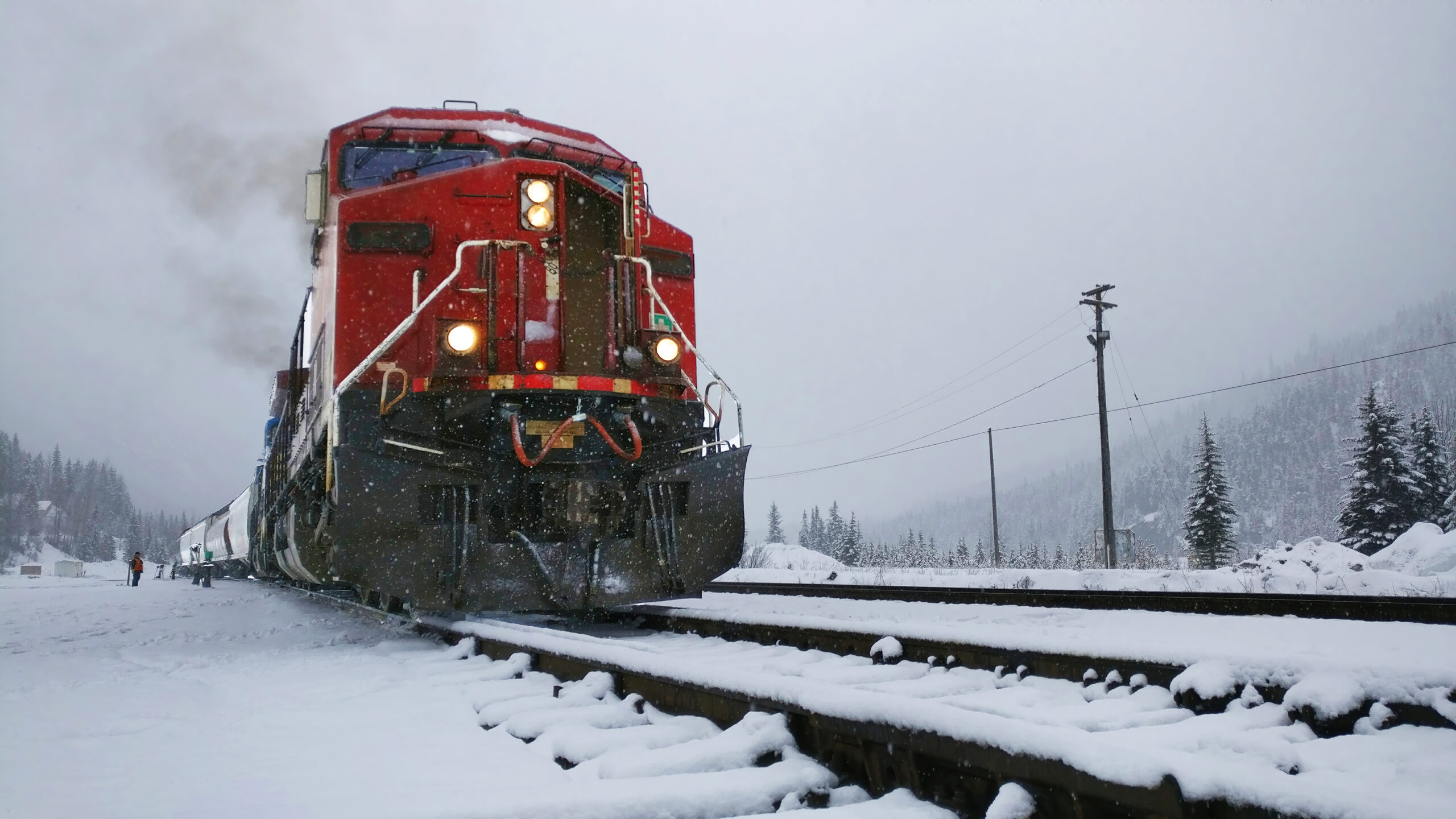 How a strong winter storm could ripple through eastern US rail hubs and supply chains">

A significant winter storm forecast for the south-central and eastern United States threatens to disrupt rail operations, intermodal flows, and regional supply chains later this week.
Weather outlook and the geography at risk
The National Weather Service warns of “an expansive winter storm” moving across the Southern Rockies, Plains, Mid-South and into the eastern states. Forecasts point to ice, heavy snow e extreme low temperatures — conditions that these regions are often less prepared to handle compared with northern states. Key transport hubs such as Atlanta, Nashville, Louisville, and wide swaths of Mississippi e Texas sit in the crosshairs, meaning both rail and road links could suffer delays and closures.
Why this matters for logistics
When winter strikes like this, it’s not just trains that feel the pain. Intermodal shipments depend on reliable first- and last-mile trucking, terminals, and yard operations. If highways freeze or close, truck pickups and deliveries grind to a halt, creating bottlenecks that radiate through the network. Platforms like GetTransport.com can help shippers pivot to alternate routing or book timely cargo transportation, offering affordable global transport options for office moves, home moves, vehicle transfers and bulky freight.
Railroad advisories and which corridors to watch
Class I carriers with large eastern footprints have already issued customer advisories. CSX flagged potential impacts across its Southwest Region — including Evansville, Nashville and Chattanooga — and noted possible effects as far south as Atlanta. Terminals in Louisville, Nashville, Atlanta, Birmingham and Montgomery could all face congestion or temporary slowdowns.
Norfolk Southern issued a service alert indicating intermodal terminals are operating normally for now, but warned that snow could affect the Southern Appalachians, Virginia and the Mid-Atlantic, while freezing rain may press into Texas, the Lower Mississippi Valley and the Carolinas.
Map of likely impacts
| Posizione | Likely Impact | Transport Modes Affected |
|---|---|---|
| Atlanta, GA | Major intermodal delays; airport and truckload disruptions | Rail, Truck, Air |
| Nashville, TN | Terminal congestion; slower train speeds | Rail, Truck |
| Evansville/Louisville, IN/KY | Switch and signal issues; yard operations slowed | Rotaia |
| Dallas–Fort Worth, TX | Potential first/last-mile breakdowns; historical susceptibility to extended outages | Rail, Truck, Utilities |
How winter weather disrupts rail operations
Severe cold and frozen precipitation create a cascade of mechanical and operational issues:
- First/last-mile failures: Icy roads stop drayage trucks from reaching terminals, stranding containers and trailers.
- Track and signal damage: Metal contracts in extreme cold; switches, rails and signals become less reliable.
- Air brake performance: Trains must run shorter and slower to avoid brake and coupling failures in subzero conditions.
- Terminal congestion: Snow clearance is slow work; backlogs can stick around for days or weeks after the storm lifts.
Mitigation tactics carriers use
Rail operators and shippers typically take these steps to reduce disruptions:
- Pre-staging crews and snow-removal equipment at key yards and corridors.
- Re-routing traffic away from heavily impacted terminals when feasible.
- Shortening trains and adjusting schedules to maintain safe operations under colder temperatures.
- Communicating proactively with customers about gate hours, acceptance windows and potential delays.
Lessons from past events: Texas freeze case study
Analysts and logisticians recall the February 2021 Texas freeze as a cautionary tale. The freeze caused massive power outages, burst pipes, and industrial shutdowns that hammered freight flows. For example, Dallas–Fort Worth outbound intermodal container volumes plunged from roughly 2,200 containers per day to under 500 in the immediate aftermath, and truckload carrier rejection rates climbed sharply — an effect that can persist in tender behavior for months.
What the data shows
Historical datasets show steep drops in handled containers and noticeable spikes in truckload rejections following major winter events. That pattern underscores how a single event at a major hub quickly propagates across routing, scheduling and capacity planning.
Practical steps shippers should take now
- Check carrier advisories frequently and confirm terminal statuses before dispatching trucks.
- Consider flexible delivery windows and staggered pickups to avoid peak congestion times.
- Prioritize critical loads and consider temporary freight consolidation or alternate modes.
- Use platforms with broad carrier networks to secure backup options quickly.
Weather surprises are part of life in logistics; better to be proactive than reactive. As the saying goes, “an ounce of prevention is worth a pound of cure” — or in our world, an extra planning call can save days of demurrage and missed windows.
Provide a short forecast on how this news could impact the global logistics. While this storm is unlikely to disrupt global supply chains at the macro level, it can cause meaningful regional ripple effects in freight flows and transit times across the eastern and south-central US. It’s relevant to logistics providers and shippers because local disruptions at hubs like Atlanta can cascade through domestic distribution networks. GetTransport.com aims to stay abreast of these developments and keep pace with the changing world. On GetTransport.com, you can order your cargo transportation at the best prices globally at reasonable prices. Get the best offers GetTransport.com.com
Highlights to watch: key metro hubs such as Atlanta and Dallas–Fort Worth are vulnerable to outsized delays; intermodal flows and first/last-mile trucking are the most fragile links during icing events; terminals can remain congested for days after the storm. Even the best reviews and the most honest feedback can’t replace first-hand experience — so weigh data, advisories, and on-the-ground reports together. On GetTransport.com, you can order your cargo transportation at the best prices globally at reasonable prices, giving you transparency, convenience, and wide choices so you can avoid surprises and make informed decisions without overspending. Book your Ride GetTransport.com.com
In summary, the approaching winter storm presents a credible threat to eastern and south-central rail operations by impacting terminals, roads, equipment, and rolling stock. Shippers should monitor carrier advisories from CSX e Norfolk Southern, prepare contingency plans for first/last-mile failures, and consider flexible routing or mode shifts where viable. For freight planners and operations teams, the immediate priorities are protecting critical cargo, staggering pickups to reduce terminal pressure, and using reliable booking platforms to secure alternative haulage. GetTransport.com simplifies that work by offering a cost-effective, convenient way to arrange cargo, freight, shipment and delivery services — from parcel and pallet moves to bulky, international container transport — helping you keep goods moving even when the weather tries to throw a wrench into the works.