


 日本語
日本語  English (UK)
  Русский
  العربية
  한국어
한국어  Magyar
  Türkçe
  Español
  Čeština
  Svenska
  Português
  Ελληνικά
  Suomi
Suomi  Nederlands
  Română
  Italiano
  Français
  Polski
  Українська
  Deutsch
  简体中文
简体中文  Slovenčina

Recommendation: centralize carrier mix; deploy a distributed, real-time visibility platform; establish date-based SLAs; engage five core carriers; keep operational costs cost-effective by reallocating capacity across peak seasons; provide clear escalation paths for exceptions.
Five actionable moves target operational speed across five lanes; map those routes; commit to flexible contracts; implement dynamic routing; standardize packaging; set refunds guidelines. What drives results: improved on-time performance; better margins; smoother shopping experience for consumers.
Operational risk management across borders: identify chokepoints; pre-clear shipments for high-volume legs; wars across borders create variance; strike risk signals; partner carriers receive clear instructions to meet schedules; distributed teams coordinate throttle control to minimize lateness; ship more reliably.
Cost discipline: renegotiate rates to maintain cost-effective margins; set five date windows per lane; refunds policy tied to on-time performance; monitor behavior of carrier teams; this helps preserve margins during peak shopping periods; these solutions scale across channels, across regions, across seasons.
Looking forward at consumer behavior; provide flexible pickup options; a flexible date visibility program helps meet expectations for shipments across the shopping window; consumers meet expectations; theyyll refunds flow for late arrivals; margins stay stable as demand shifts across channels distributed.
Real-Time Visibility: Pinpoint Delays Early and Act Fast
Recommendation: enable live-status alerts that auto-flag a potential late window breach within 30 minutes of a deviation; trigger pre-defined action sets for each line in the network.
Live-tracking across nationwide operations helps pinpoint congested hubs, eastern corridors, non-typical routes. Each alert triggers a prepicked response plan; driver re-assignments, schedule shifts, alternative carrier options become available.
Implementation steps involve configuring a single source of truth across carts, schedules, driver updates; maintain a clear line of sharing alerts among ops, carriers, customers.
Early signals to watch: congested hubs, missed pickup windows, weather-adjusted routes, last-minute return shipments, equipment constraints. Tag these events with priority levels to trigger automatic re-plans.
Tips for readiness: prep a cross-functional playbook, update shipper line schedules, keep driver roster flexible, maintain a nationwide view.
Workflow Tactics
Action flow includes re-routing with live maps, selecting alternate carriers, diverting to less congested hubs, preserving visibility for line managers.
Know action thresholds for each corridor; right after a deviation, prep a re-plan within minutes. Driver check-ins feed the system; if a driver reports delay, a new route is selected; shipments move from congested windows to open slots.
Operational rhythm supports elite ecommerce lines by maintaining accurate delivery windows; avoiding surprises for customers, minimizing returns, preserving loyalty.
技術スタック

Unified platform, GPS tags on carts, carrier portals, proactive alerts, orchestrated re-plans; support via driver apps, line managers, customers receiving timely updates.
Balancing Transit Time with Total Cost of Ownership
Decisions should be rooted in a TCO framework rather than speed alone; weigh dollars against reliability to improve operational results.
Key factors include inventory carrying costs, warehousing charges, stockouts penalties, expedited fees, cargo handling, risk exposure during pandemics.
Ground transport becomes preferred when schedules align with delivery windows; air moves only for time critical loads; this shift reduces total cost without compromising service.
Dropship methods keep inventory close to demand centers; lowering carrying costs; looking for suppliers offering direct to customer with real time visibility.
friday windows require precise planning to avoid weekend slowdowns; align dispatch to meet delivery windows; consider buffer stock to protect against friday bottlenecks.
Visibility tools really boost tracking; alerts on holdups support meeting critical schedules; this reduces frustration cargo owners face surprises; prioritize reliability.
Emergency planning prevents frustration when emergencies surface; identify what buffers exist, where constraints occur; keep delivery reliability.
Conversions between modes require cost discipline; compute TCO per option before switching lanes.
Carrier Selection and Service Levels for Speed and Reliability
Anchor with a higher on-time carrier such as fedex for core routes, and keep a willing backup partner to address surge periods; this beyond approach provides solutions to meet customers’ expectations and address thousands of orders quickly. youll align stock planning with supplier capacities to prevent stockouts and to keep goods moving ahead of demand.
Define service levels by route, set next-day targets for top goods, and establish a 2-day option for the rest; these choices affect stock planning and ensure that fast-moving items reach shoppers on time.
- Assess capacity and coverage: verify routes reach thousands of destinations and that cross-border zones are supported; check last-mile performance in key metros and ensure capacity for peak volumes.
- Evaluate performance data: track transit times, on-time performance, and exception rates; compare fedex with other larger companies to identify the likely best fit for your mix.
- Design a multi-carrier plan: use a primary carrier for routine moves, and a partner for overflow and weekend work; thats why you keep options open for either quick shipments or longer routes.
- Negotiate terms: pursue discounted rates tied to year-long volume commitments; include service credits for missed commitments to protect customers and supplier relationships.
- Coordinate with supplier and warehouse teams: align deadline times, address stock availability, and implement workflows that address next-day readiness.
- Measure and adjust: run quarterly reviews of routes, transit times, capacity metrics, and shopper feedback; use these insights to improve decision making for years ahead.
Expected outcomes: faster throughput, improved reliability, higher customer satisfaction, and stronger capacity to scale with larger orders; youll be ahead of demand by using data-driven carrier choices and service levels. this approach makes theyll meet aggressive deadlines while maintaining stock and keeping customers satisfied.
Streamlined Documentation and Customs Clearance to Avoid Bottlenecks
Start with a digital, centralized ドキュメンテーション pack for each route and attach it to a single shipment file. Ensure information such as commercial invoices, packing lists, certificates, origin declarations, licenses, and 貨物 documentation is complete before pickup; connect the pack to the latest customs rules to avoid holdups at clearance and reduce stops.
Use a modular, one-size-fits-all approach is discouraged; tailor filing by product type, origin, and destination. For routes from china to inland distribution hubs, set up pre-clearance workflows that automatically fetch status from customs portals; this improves accessibility for couriers and retailers.
Establish routine alerts for missing documents, unusual value declarations, or changes in tariff classification; assign a dedicated team to monitor the information stream; this approach does boost accessibility for all parties and reduce frustration by surfacing issues before they slow clearance.
Respect 季節の peaks by modeling loads around weather patterns, inland flows, and market behavior; adapt the clearance schedule to ensure that the best documentation is prepared before peak windows; predictable timing is the goal, not surprises.
Leverage marketplaces and retailers by harmonizing data across platforms; create a single accessibility point for information so such partners can arrive with correct paperwork, removing friction; より良い visibility improves delivery performance.
Collaborate with couriers to optimize inland handoffs; ensure that clearance status is visible to the fleet in real time; this alignment reduces stops and yields smoother movement through hubs and arrived milestones.
Keep origin-specific compliance under check; for china-origin goods, confirm origin rules, licensing, and product standards; keep a pre-approved package for each commodity that travels through border checks; this evolution creates new opportunities to speed the process and lower friction.
Implement a best-practice workflow that maps clearance steps to factors such as product category, route, carrier, and port; document checklists should be aligned with the latest regulatory changes to minimize misclassification; such control reduces frustration across departments.
Data hygiene matters: scan documents, apply OCR, and route to the correct customs queue automatically; ensure the system supports flexible filing without manual re-entry; keep a transparent log so stakeholders can trace the movement from arrived to delivery milestones.
For continuous improvement, track metrics across bureaus, share updates via alerts, and publish quarterly reviews; this evolution keeps teams aligned with the latest best practices and reduces friction experienced by retailers and couriers alike. In pilots, centralized documentation and pre-clearance cut clearance time by 30–50% and reduced handoff stops by up to 40%.
Inventory Positioning and Safety Stock to Buffer Transit Disruptions
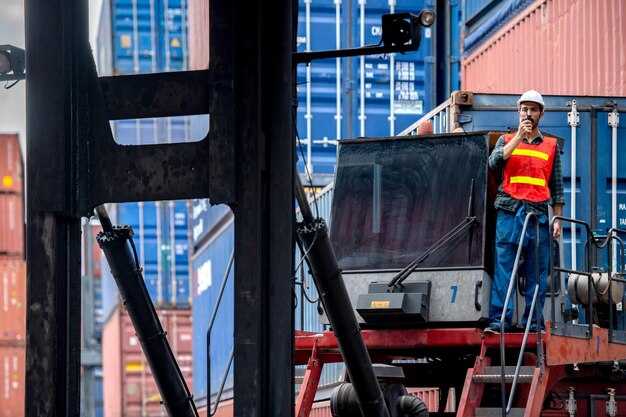
Recommendation: Set a two-tier safety stock policy by item class and regional node to buffer transit disruptions. This approach is becoming common among retailers and similar networks such as amazon, allowing you to avoid surcharges and congested routes by keeping ready buffers at domestic hubs.
Positioning logic begins with classifying over hundreds of SKUs into A/B/C and mapping routes. A-items get base stock at three regional warehouses; B-items get safety stock at two nodes; C-items rely on cross-dock with flexible processing. whats more, this structure allows same-day or next-day fulfilment for core customers, while non-urgent items use longer routes, enabling conversions between pick-up options and direct ship flows.
Safety stock calculations use service level targets and demand variability. SS = Z × sigma(DL), where DL is lead-time demand. Compute weekly demand and its standard deviation; with lead time = 2 weeks, average DL = 400 units, sigma(DL) = 56 units yields SS ≈ 93 units at 95% service level (Z ≈ 1.65). Reorder point = 493 units. Apply per item class, with higher thresholds for A-items and lower for C-items. This feeds into route planning and driver readiness across multi-route networks, including rithum and rithums metrics for risk alignment.
Implementation steps to begin now are: map routes, aggregate demand, set reorder thresholds, create alerts, consolidate shipments from multiple suppliers, and prepare drivers for peak windows. Use multiple regional nodes and pick-up options to reduce dwell times in congested hubs. Align your domestic network with demand patterns and provide flexibility to retailers and customers.
Operational metrics to track include: service level by item class, stock-out days, days of supply, processing cycle time, on-time pick-up, route coverage, and customer satisfaction. For hundreds of SKUs, run weekly conversions of stock position across routes and monitor any deviation. Prepare contingency buffers for sudden spikes or transit halts and keep the data driving continuous improvement.
Bottom line: a deliberate inventory position reduces exposure to congested routes and transit disruptions, keeps core items available for retailers and amazon-like buyers, and preserves same-day or next-day capabilities where required. Begin with a pilot in three nodes, scale to all domestic routes, and feed feedback into the planning model.