




Recommendation: Instruct MSC to incorporate carbon offsetting into every booking and operate a transparent decarbonization dashboard on the network. This concrete step gives some value immediately and creates a measurable baseline for growth.
Since customers expect clarity, MSC should publish a known, auditable methodology and invite brands on the board to contribute data and governance, thus aligning offset projects with route realities and decarbonization goals. accellerons in logistics tech can accelerate data quality and portfolio diversification.
Some routes, such as cruises, will show larger offset needs, so the plan should tailor offsets by segment and ship class. The network will operate with a shared KPI set, including per-voyage carbon intensity and offset density.
Known benefits include customer satisfaction, stronger brand alignment, and new growth channels for MSC's partners. The headline will reflect a practical pivot: offsetting is not a gimmick but a core operational metric that drives decarbonization across the fleet. The company insists on third-party verification for every offset project.
To make this successful, MSC must link offset purchases to verifiable projects, maintain transparent reporting, and integrate offset costs into ticket pricing without surprises. This approach protects profits while building a resilient, greener network.
Operational Roadmap for Customer Carbon Offsetting and Decarbonization
Adopt a 12-month phased rollout: 30% of eligible customer shipments offered with offsetting in Q1, 60% by Q3, and full coverage by year-end, with offsets verified and retired according to recognized standards. This creates predictable output and aligns with carbon-neutral ambitions while protecting brand integrity and also strengthening customer trust.
Data foundation: collect voyage-level carbon output using AIS data, vessel performance, cargo type, ballast-water operations, and port-energy usage. Build a baseline by route, vessel, and engine type; calculate emissions per TEU and per nautical mile to identify opportunities where retrofit and operational changes yield the biggest gains.
Phase 1 pilots: target five blue corridors with high throughput and diverse fuel mixes to test offsets from nature-based and technological projects. Use the newest eligible projects with independent third-party verification. Track adoption rate among shippers and adjust pricing dynamically to avoid penalties and maintain output.
Phase 2 expansion: scale to additional routes, optimize fuel efficiency through retrofit upgrades (cavitation-resistant propellers, hull coatings), and implement turbocharging for auxiliary systems where available, both for fuel types. Integrate advanced analytics to show carbon reductions in real time and provide customers with transparent reporting for their ESG dashboards.
Phase 3 customer-facing integration: launch a single platform for offset purchases, allow customers to select carbon types and decarbonization options, and provide related advisory services. Ensure data is accurate, auditable, and aligned with corporate goals; publish annual performance by route to support adoption by executive teams.
Governance and risk: appoint a cross-functional governance lead to oversee operating performance, offset quality, and supplier risk. Establish a monthly dashboard that tracks rising carbon output trends, offset retirement status, and compliance against applicable regulations. Maintain water stewardship across ports and terminals to minimize environmental impact; also prepare contingency plans for market volatility and credit risk to protect customers and MSC, ensuring the company remains capable of delivering reliable offsetting at scale.
Cost and business impact: forecast offset spend per TEU and per voyage, with a cap on price volatility for customers. Demonstrate ROI through reduced energy intensity, longer-term contracts, and expanded adoption across global operations. Nearly 70% of customer shipments expected to have offsetting across major lanes by year two, this leads to stronger customer satisfaction and a better position across the world.
Related to resilience: maintain a robust supplier network; require offset credits to be from projects with additionality; ensure they are not double-counted. Align with CSR goals and internal guidelines for executive accountability.
Output roadmap and next steps: after 12 months, update the roadmap, adjust targets, and expand to emerging markets where port electrification reduces baseline emissions. The newest data will guide further retrofit and turbocharging investments to keep capabilities ahead of rising demand and ensuring carbon-neutral commitments for customers across the world.
Define Customer Offset Options: implementation steps, eligibility, and pricing
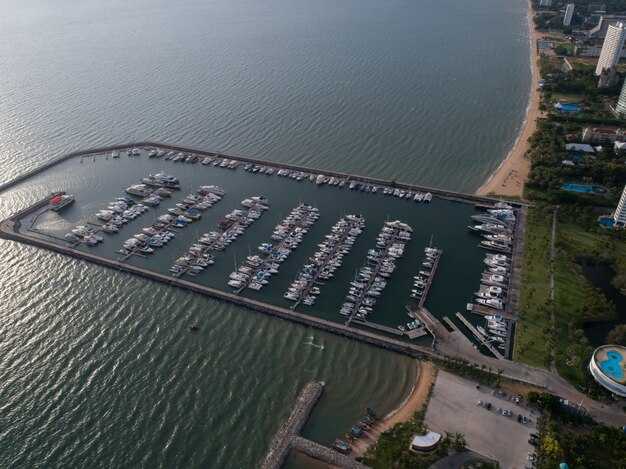
Start with three offset options that customers can choose from right away: Fixed Rate Offsets, Voyage-Based Offsets, and Automatic Programme Offsets linked to the account’s emissions. This focus keeps pricing straightforward and makes it easy for cargo shippers to decide what fits their business. The options are modern, pragmatic, and capable of scaling across different fleets and routes, protecting management margins while delivering reductions. They fit both a single cargo and a complex mix, supporting a clear campaign cadence as october approaches.
Implementation should proceed in clear steps to stay pragmatic and predictable. First, define the scope and boundary for emissions reporting, including which stages of the cargo lifecycle you’ll cover during voyages. Next, collect voyage and cargo data from operations cells across fleets, then compute CO2e using recognized methodologies. Map reductions to certified projects, select credible offsets, and establish a pricing and billing framework that customers can trust. Build a customer portal that delivers monthly output dashboards and a transparent invoice, then run a pilot in october to validate inputs, data flows, and customer experience before broad rollout.
Eligibility is straightforward: active customers with an MSC account, shipments routed on lanes MSC serves, and a willingness to share emissions data for validation. Being transparent about data exchange helps they understand what drives each offset. Customers can opt into one or more options, and management can tailor the mix to match different risk profiles and budgets. Recent pilots show that even smaller shippers benefit from a predictable pricing path and a clear link between cargo movements and measurable offsets.
Pricing should be transparent and flexible. Use a per tonne rate for Fixed Rate Offsets, a per-voyage charge for Voyage-Based Offsets, and a blended model for Automatic Programme Offsets that aggregates emissions across the account. Include an administrativ e fee, with volume-based reductions for high-usage customers, and offer a simple currency, billing cadence, and invoicing process. Provide a clear rate card, explain what drives changes, and include a mechanism to show the output of savings and the project mix so customers can see the impact of their choices. This approach lets customers reach a balance between price sensitivity and emissions impact while avoiding surprises.
To ensure trust, couple pricing with solid governance. Use third-party verification from recognized standards bodies, publish an auditable project portfolio, and offer monthly reporting that includes the number of offsets issued, project locations, and verifiable reductions. Technologies such as telemetry data, digital ledgers, and data cells within the emissions matrix support accurate tracking across ships, routes, and campaigns. The result is an end-to-end process that they can operate with confidence, while marinelink and other industry outlets can provide independent output comparisons to help customers assess progress over time.
Lessons Learned from a Global Rollout: governance, risk, and stakeholder alignment
Recommendation: Establish a cross-functional MSCS governance council with clear decision rights to steer the rollout across all regions, including europa. The council includes transport policy leads, risk management, tech and materials teams, and community representatives. This setup ensures accountability, alignment with known policy constraints, and measurable performance. The mscs network ensures cross-region coherence.
Lead with a risk management cadence: a monthly risk cockpit that covers regulatory changes, offset provider certification, data sharing with partners, and reputational risk. Define thresholds for key indicators and require remediation plans within two sprints. Being transparent about related data sources helps maintain trust; related data sources include project registries and supplier audits. This approach also brings them into escalation discussions early to avoid bottlenecks and keep policy needs aligned.
Stakeholder alignment requires mapping communities, customers, suppliers, and port authorities, then incorporating feedback into offset design and communications. This also helps maintain courtesy and long-standing community ties, and provides equal voice to local leaders and NGO partners. Align management incentives with social and environmental goals, and publish shared progress metrics to maintain trust. The mscs leadership network coordinates across regions.
Operational steps span many workstreams: select certified offset providers, verify project standards, and track performance using tech dashboards. Incorporate coral reef restoration and biodiversity projects when appropriate, and ensure materials used in offset programs meet high-quality standards. Use wide due diligence, benchmark known practices, and establish cut-out criteria if verification fails. Build a robust supplier management process to support transparent reporting and continuous improvement. Many steps link to performance benchmarks and risk controls across the supply chain, also reinforcing backing from communities and policy teams.
Europa-focused governance ties into EU policy, transport emissions rules, and carbon accounting frameworks. Require certified providers to publish auditable data, and set up a regional steering group to monitor performance and address community concerns. The leaders across mscs should partner with local communities to ensure inclusive decision making and social license to operate, supporting wide collaboration with governments, NGOs, and industry peers. This alignment strengthens trust, results in better materials sourcing, and reduces friction with regulators.
| Step | Owner | Timeline | Key focus |
|---|---|---|---|
| 1. Establish governance charter and MSCS council | MSCS Leaders & Policy Leads | 30 days | Accountability, decision rights, metrics |
| 2. Risk cockpit and escalation plan | Risk Management | 45 days | Regulatory, operational, reputational risks |
| 3. Stakeholder mapping and engagement plan | Communications & Communities | 60 days | Inclusion, feedback loops, shared language |
| 4. Offset provider selection and due diligence | Compliance & Tech | Ongoing | Certification, data integrity, transparency |
These practices enable a wide, coherent rollout that supports reducing emissions while maintaining power to operations and fostering ongoing support from communities, partners, and regulators.
Digital as a Force Multiplier: data capture, verification, and customer transparency
Implement a single, auditable data flow across the supply chain from newbuild vessels to customer delivery; capture vessel telemetry, cargo details, and route data at source, and apply certified validators to guarantee standards-compliant accuracy.
Build a backbone that supports multiple designs, with fitted sensors and the ability to scale data capture across fleets, then use synthetic data to test workflows without disrupting actual transport, ensuring the system is capable of integrating legacy and new hardware.
Verification rests on three pillars: sensor calibration, data lineage, and third-party audits; newest accuracy levels give customers confidence in offset figures.
Transparency to customers: a Linden platform delivers a clear view of supply flows, delivery milestones, and the measures that reduce emissions, with both micro and macro views; they can access real-time dashboards that explain how each delivery aligns with committed targets.
Agreement and governance: establish an agreement that committed customers can access data while protecting sensitive details; this doesnt create friction and builds trust.
Implementation plan: Phase 1 pilots a handful of vessels on a single route, monitors times, efficiency gains, and the capacity to scale, then expands to additional supply venues.
Impact: the approach improves habitat protection and marine stewardship, while showing social value to clients and regulators; the transparent record leads to reduced emissions and demonstrates how the newest measures translate into tangible delivery benefits.
A System View of Decarbonization: fleet, terminals, suppliers, and customers in sync
Coordinate a system-wide decarbonization plan that ties fleet, terminals, suppliers, and customers with a shared dashboard delivering real-time progress. Set goals: cut fleet energy intensity by 25% by 2030; achieve shore power at 50% of port calls; ensure that 60% of high-volume deliveries are carbon-neutral. Led by morgan, our head of carbon strategy, this framework rests on modern practices and a clear data-sharing designs approach, and includes benchmark data to track progress so results are delivered and visible across the network.
Fleet optimization uses modern propulsion and speed management to reduce drag and fuel burn. Implement 10–15% average speed reductions on non-urgent legs, and advance hull and propeller designs that cut drag by 5–8%. Already, trials on two ships with new hull forms delivered a 12% reduction in CO2 per voyage, and many more vessels will adopt these upgrades in the second wave, saving miles across thousands of miles of routes and delivering cleaner energy footprints across networks.
Terminals: install shoreside power at major hubs, electrify quay cranes and yard equipment, and recover waste heat for on-site needs, also improving reliability and speeds. Target a 30% reduction in terminal energy intensity by 2030, supported by energy-management software and cross-site best practices that align with fleet decarbonization goals. These improvements bridge operations with shipping lines and reduce drag between port and fleet decarbonization.
Suppliers: align depots, freight forwarders, and port service providers to common decarbonization practices across the chain. Use supplier scorecards, mandate transparent reporting about baseline emissions and progress, and require green fuel uptake where feasible. Contract terms must embed decarbonization requirements, and this cross-ecosystem approach across many partners also ensures that activities across the network are coordinated.
Customers: offer transparent carbon-offsetting options, with a choice of credible offsets tied to miles shipped or cargo tonnage. Provide a single, auditable ledger that shows how offsets are calculated, purchased, and delivered, and give customers the option of sustainable delivery designs that balance price and impact. This creates life across communities along transport corridors and supports biodiversity through responsible route planning and offset choices.
Governance, life-cycle thinking, and community engagement: the team maps biodiversity risks and engages local communities to protect ecosystems. When new routes or terminals are added, we implement a cut-out approach for sensitive areas and monitor biodiversity indicators. The result is a bridge between environmental targets and everyday operations, across all regions and partners, keeping progress on track and visible to customers and investors.
Fuel Strategy Now and Tomorrow: today’s investments and future readiness
Implement a two-track plan now: tighten operations to reduce emissions this year, and design a robust division to scale future fuels, propulsion technology, and materials across selected routes and countries.
- Short-term actions (12 months)
- Reduce drag and improve hull efficiency by targeted cleaning and coating upgrades on 60–70% of the fleet, delivering savings of 3–5% on fuel burn and related emissions per voyage.
- Optimize ballast management and ballast water procedures to support safer loading in busy ports while lowering fuel use by 1–2% across identified routes.
- Switch to selected low-sulphur fuels where supply arrives reliably, ensuring compliance with current sulphur regulations and reducing emissions intensity per voyage.
- Apply best-practice design adjustments to engine settings, propeller performance, and auxiliary systems to cut fuel consumption without compromising service levels.
- Launch a training program for employees on fuel-aware routing, speed management, and maintenance routines to sustain gains across the network.
- Medium-term actions (1–3 years)
- Establish a Fuel Strategy Division with clear accountability and a head accountable for year-over-year reductions and progress across countries and ports.
- Develop a design playbook that blends existing technology with lightweight materials and validated coatings to reduce drag and energy demand on selected vessel classes.
- Pilot low-carbon fuels (LNG, methanol, and biofuels) on a portion of the fleet, tracking emissions reductions and reliability metrics for each route and port call.
- Invest in propulsion and energy recovery technologies, such as waste heat recovery and shaft generators, to improve overall efficiency without increasing asset risk.
- Enhance data integration across the network to support real-time fuel optimization and route selection based on weather, currents, and port congestion.
- Long-term actions (3–10 years)
- Scale advanced materials and next-generation designs to reduce hull friction and engine drag, enabling durable reductions in fuel use as new fuels arrive on the market.
- Align ship design with future fuel ecosystems, including ammonia or hydrogen-ready propulsion concepts, while protecting reliability and performance on core routes.
- Build supplier relationships across countries to secure a stable supply of compliant fuels and compatible materials, ensuring continuity of operations year after year.
- Expand the division’s mandate to oversee lifecycle assessments of ships, coatings, ballast systems, and energy storage to drive continuous improvements in emissions and reducing footprint.
- Communicate progress to customers with transparent courtesy reports, highlighting each vessel’s gains in reductions and the related emissions trajectory.
Key design principles guide the effort: a design-first mindset for hull and propeller geometry, a materials strategy to enable stronger yet lighter structures, and a technology roadmap that links selected fuels with engine and powertrain upgrades. The head of the Fuel Strategy Division coordinates cross-functional teams, ensuring that engineers, designers, and fleet operators work in concert to arrive at consistent improvements. In practice, the plan ties together routes, network coverage, and the fleet’s operating profile, with regular reviews of year-by-year metrics and the related risk controls. By focusing on both short-term reductions and longer-term readiness, MSC can reduce emissions now while laying the groundwork for sustainable, fuel-diverse operations across the globe, with employees empowered to implement changes and customers informed of progress every year.