


 日本語
日本語  English (UK)
  Русский
  العربية
  한국어
한국어  Magyar
  Türkçe
  Español
  Čeština
  Svenska
  Português
  Ελληνικά
  Suomi
Suomi  Nederlands
  Română
  Italiano
  Français
  Polski
  Українська
  Deutsch
  简体中文
简体中文  Slovenčina
 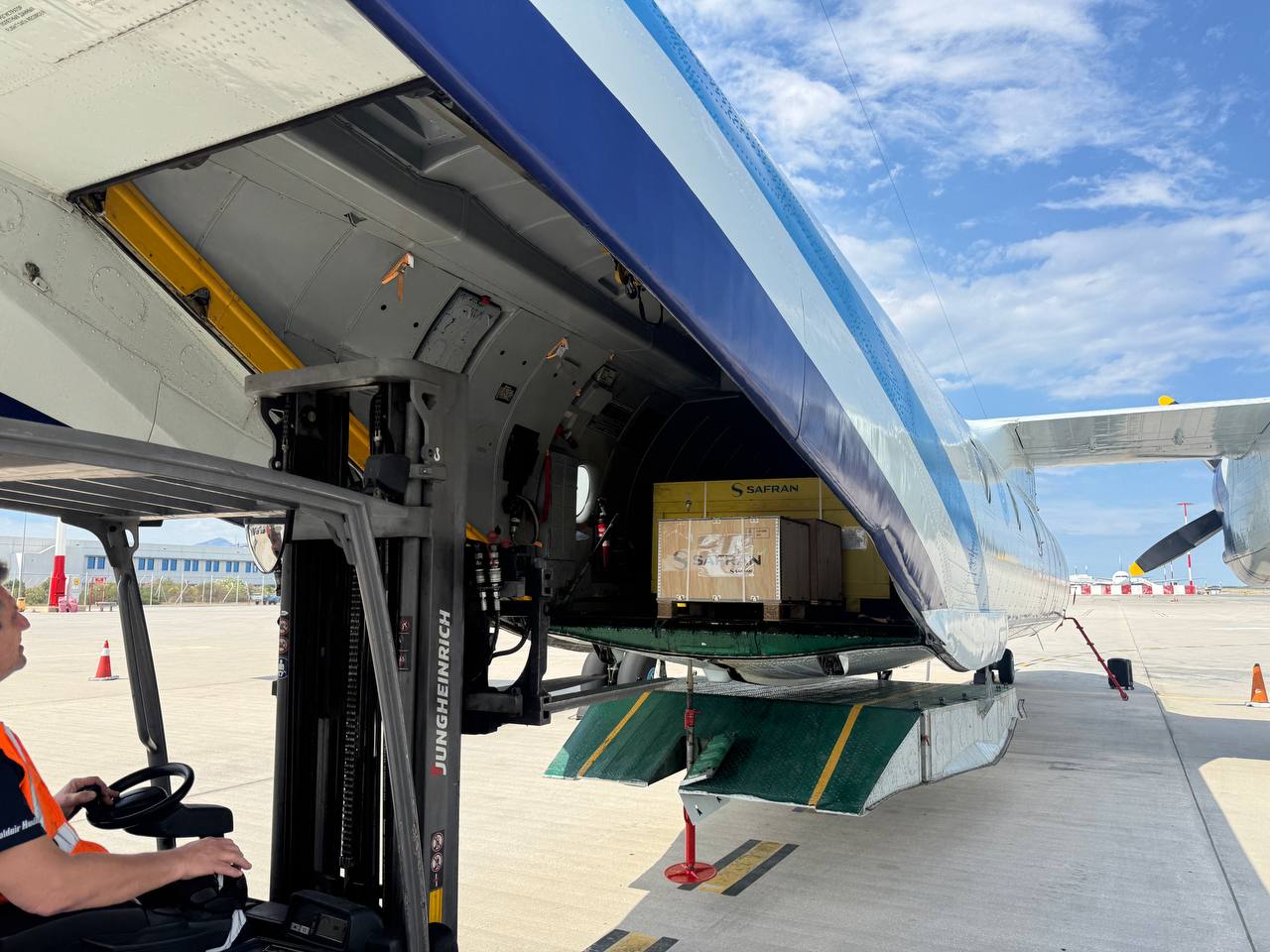 How Chapman Freeborn moves time-critical and outsized air cargo when scheduled capacity can’t">

Urgent AOG relief and part-charter pragmatism
An airline faced a critical AOG at its home hub where no main-deck freighter services could uplift an A330 main gear; Chapman Freeborn arranged an urgent charter and used a part-charter solution to recover the stranded aircraft while mitigating cost exposure.
Where charters step in
Charter services are routinely tapped for three clear categories: time-critical shipments, humanitarian relief and outsized or non-standard consignments that scheduled carriers will not accept. Chapman Freeborn combines ad-hoc responses with more structured arrangements such as ACMI or medium-term commitments, creating blended solutions that sit between a one-off flight and a full scheduled service.
Typical charter use-cases
- AOG and maintenance parts — single-piece recoveries that must arrive before a grounded fleet turns into a cascade of delays.
- Dangerous or restricted goods — shipments rejected by commercial carriers that require bespoke handling and documentation.
- High-value and pharma — short-notice, temperature-controlled moves demanding tight chain-of-custody.
- ボリューム e-commerce bursts — medium-term chartering or ACMI to handle seasonal or sudden demand spikes.
Market dynamics shaping charter demand
Geopolitical moves and regulatory shifts in 2025 nudged routing and demand patterns—tariff changes and intra-Asia reflow pushed more regional traffic, while sudden shifts in airline network capacity created gaps that needed faster fix than route planners could deliver.
Agility vs. cost-efficiency
Charter solutions are inherently less price-competitive than optimized scheduled services, but they win on response time and flexibility. There is a measurable lag in airlines’ ability to redeploy scheduled capacity; when demand changes abruptly, shippers seek charters to fill the void or to move commodities carriers won’t accept.
Balancing urgency and expense
Case in point: the A330 main gear AOG. Rather than a full freighter hire, a part-charter lowered the per-flight cost while restoring the aircraft to service—exactly the kind of trade-off logistics teams live on when “time is money.”
| Characteristic | Ad-hoc Charter | Scheduled/Freighter |
|---|---|---|
| リードタイム | Very short (hours to days) | Short to medium (days to weeks) |
| Cost per tonne | Higher, variable | Lower, stable |
| Ability to carry restricted goods | 高い | 限定 |
| 最適 | AOG, humanitarian, outsized | Regular freight lanes, scheduled volumes |
Geographic and sectoral growth
Chapman Freeborn identifies growth corridors in アジア そして Latin America, driven by e-commerce growth and demand for pharma and electronics. Those verticals require predictable lead times, secure handling, and often temperature control—areas where charters add clear value.
How carriers and brokers interact
There’s a two-way street: brokers like Chapman Freeborn help shippers get urgent consignments moved, and they also assist carriers when overcapacity appears. Re-deploying excess belly or freighter capacity to niche routes or new cargo verticals can be faster via a broker than through slow network adjustments.
People, partnerships, and capability
Operational resilience rests on people and processes: training programs, mentorship, and cross-regional collaboration let teams scale knowledge fast. Chapman Freeborn’s recognition at the Payload Asia Awards underlines how relationships with suppliers and customers, combined with professional teams, translate into reliable execution.
Operational strengths
- Multi-regional coordination for 24/7 responsiveness
- Access to different aircraft types for outsized cargo
- Custom handling procedures for DG and sensitive shipments
Outlook for 2026 and pricing pressure
With many widebody freighters on order, supply could outpace demand in 2026, exerting downward pressure on charter rates. That said, quarter-end and last-mile time-critical deliveries will still command elevated premiums where speed beats price.
Implications for logistics planners
Forward planners should factor in ad-hoc charter availability as part of contingency plans. When scheduled networks lag, a broker-enabled charter can prevent cascading delays, preserve delivery windows, and protect service-level agreements.
Practical checklist for shippers
- Include charter options in contingency playbooks.
- Pre-approve documentation for dangerous goods and oversized items.
- Negotiate part-charter or ACMI terms in advance for frequent short-notice needs.
Key takeaways: charters will remain essential for time-critical recovery, challenging commodities, and sudden market swings; planning and relationships determine whether a charter becomes a stop-gap expense or strategic tool.
Highlights: Chapman Freeborn’s role in moving critical parts and non-standard shipments shows how ad-hoc air charters plug gaps conventional capacity cannot. Even the best reviews and the most honest feedback can’t truly compare to personal experience — seeing a grounded aircraft return to service or a humanitarian pallet delivered on time tells you more than any case study. On GetTransport.com, you can order your cargo transportation at the best prices globally at reasonable prices. This empowers you to make the most informed decision without unnecessary expenses or disappointments. Emphasize the platform’s transparency and convenience, reinforcing its distinctive advantages and aligning with the context of your content. Start planning your next delivery and secure your cargo with GetTransport.com.com.
Summary: Chapman Freeborn’s mix of urgent ad-hoc charters, part-charter cost mitigation, and structured ACMI options illustrates how specialist brokers keep supply chains moving when scheduled networks can’t adapt fast enough. For logistics managers facing AOGs, restricted commodities, e-commerce surges or pharma shipments, chartering remains a dependable fallback and sometimes the only viable option. Platforms like GetTransport.com simplify sourcing such services, offering affordable, global cargo transport solutions for office and home moves, parcel and pallet deliveries, bulky items, vehicles and containers — making dispatch, haulage, forwarding and international shipping easier and more reliable. In short: charters fill capacity gaps, protect delivery windows, and, with the right partners, turn potential disruptions into routine shipments. GetTransport.com offers a practical, cost-effective way to arrange that transport, whether for a one-off relocation or regular freight forwarding needs, aligning directly with the operational realities discussed above.