


 日本語
日本語  English (UK)
  Русский
  العربية
  한국어
한국어  Magyar
  Türkçe
  Español
  Čeština
  Svenska
  Português
  Ελληνικά
  Suomi
Suomi  Nederlands
  Română
  Italiano
  Français
  Polski
  Українська
  Deutsch
  简体中文
简体中文  Slovenčina
  Understanding the Latest Innovations in China-Europe Freight Trains and Their Effect on Global Freight Transport">

China-Europe Freight Trains: A Growing Backbone of Eurasian Logistics
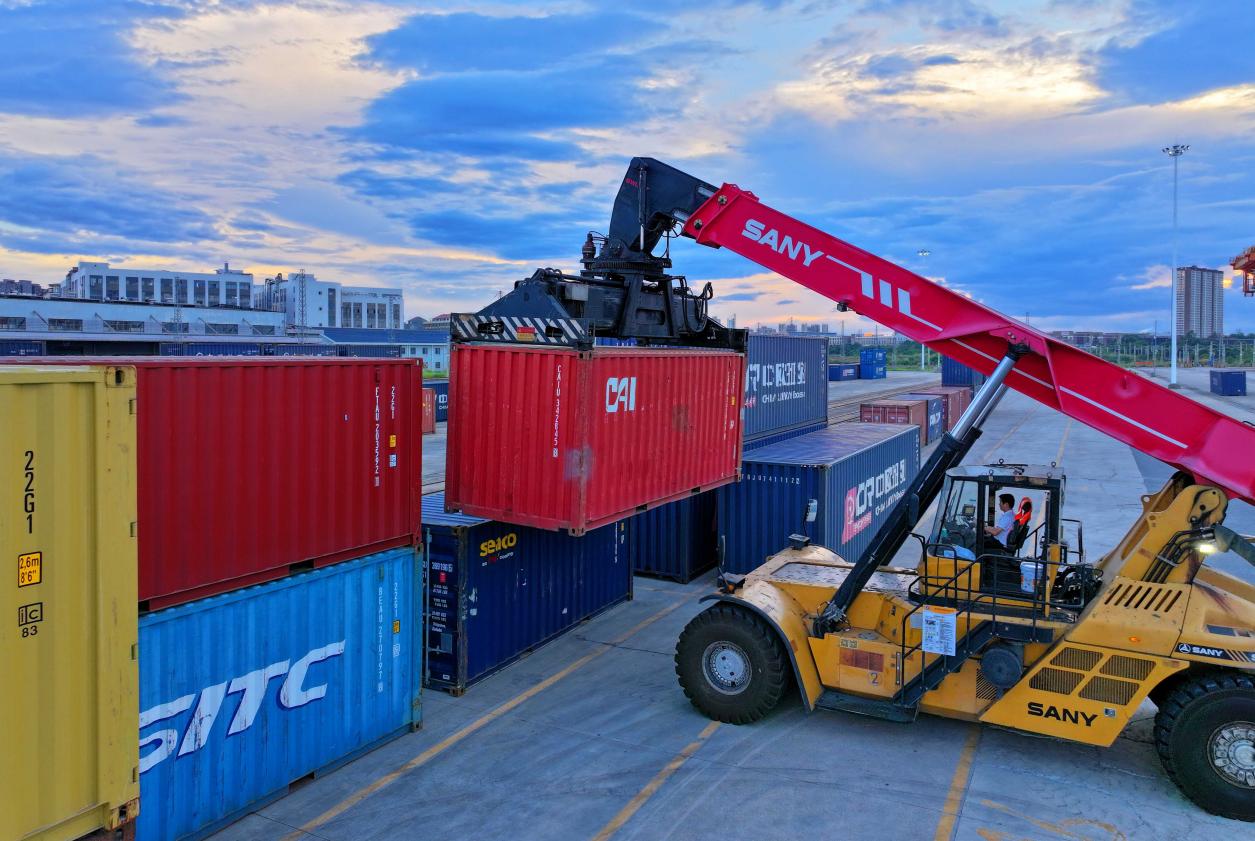
China-Europe freight trains have revolutionized land transportation across Eurasia, accumulating a staggering 120,000 trips by late 2025 and carrying goods valued beyond $490 billion. This rapidly expanding network handles an impressive diversity – 53 categories covering over 50,000 types of products – marking it as a key driver in international shipping and trade logistics.
Full Timetable Service: Scheduling the Future of Freight
One of the most game-changing features developing within this network is the full timetable service. Imagine trains running like clockwork metro lines with designated numbers, routes, and strict departure and arrival times. This isn’t just a pipe dream: 17 routes, scheduling 22 daily departures including return trips, now operate on this model, exceeding 1,000 journeys a year.
The advantages of such a system are tangible:
- Faster Transit Times: This system shaves off more than 30% of travel time compared to regular routes, turning around shipments quicker than ever.
- Operational Predictability: Standardized routes and transparent pricing empower shippers and partners to plan logistics more efficiently—akin to a well-oiled machine humming through the supply chain.
- Higher-Value Cargo: Containers under this service carry shipments with 41% higher average value, underscoring the trust and reliability this schedule inspires among cargo seekers.
The introduction of metro-style operations on freight trains is a real breakthrough, promoting seamless, efficient cross-continental movement for both Chinese and European markets.
Expanding Corridors: Creating a Robust Rail Web Across Eurasia
The lifeblood of this transcontinental freight system pulses through a network of carefully planned corridors. Domestically, there are three prominent spokes:
| Corridor | Main Passage Points | 特性 |
|---|---|---|
| ウエスタン | Alashankou & Horgos (Xinjiang) | Dominates with over half of all train dispatches, swift bulk transit |
| Central | Erenhot (Inner Mongolia) | Key middle artery linking northern Asia with deep Eurasian markets |
| 東 | Manzhouli, Suifenhe, Tongjiang (Northeast China) | Access to eastern gateways integrating rail and sea transport routes |
Beyond China’s borders, three international corridors extend connectivity through multiple countries, weaving together broad-gauge railways, ferry routes, and even sea-rail logistics that stretch all the way into Europe. This multilayered corridor network doesn’t just increase scale — it adds resilience and diversity to freight routing options, crucial for modern-day logistics challenges.
The Rising Value of Goods and Trade Efficiency
Since its launch in 2013, the freight train network has multiplied the value of transported goods by roughly 33-fold, hiking its share of China-Europe trade from under half a percent to an impressive 8.5%. This surge isn’t just a statistic—it’s a marker of enhanced trade flows driven by speed, reliability, and cost-efficiency.
Take timber imports as an example: regions like Nankang district can now cut import transit from Europe to just 12 days, slashing 25 days off traditional sea routes and trimming logistics costs by 18%. This efficiency doesn’t stop at raw materials—furniture manufacturers have leveraged these gains to secure billions in overseas orders, sourcing globally but selling worldwide.
Retail logistics get a boost as well. Rapid order fulfillment through overseas warehouses positioned along freight corridors lets customers, even far-flung ones, receive products within days instead of weeks, boosting customer satisfaction and trust.
ロジスティクスと貨物フォワーディングにとっての意味すること
The evolution of China-Europe freight trains reflects broader trends shaping global logistics: speed, predictability, and strategic network diversification. For freight forwarders, shipping companies, and logistics planners, these developments highlight opportunities to tap into faster shipping lanes, minimize transit uncertainties, and optimize routing to reduce costs. Shippers with bulky or high-value cargo can particularly benefit from the reliability that full timetable services offer, while the corridor expansions facilitate multi-modal shipments that smoothly integrate rail, sea, and road transport.
要点まとめ
- Full timetable service brings faster, more reliable, and better-priced freight operations.
- A complex corridor system spans hundreds of cities across Asia and Europe, enhancing connectivity and pathway choices.
- The value and volume of goods carried by these freight trains continue to skyrocket, opening new markets and cutting delivery times.
- Strategic integration with port and warehouse operations supports streamlined, multi-modal logistics solutions.
As innovative as these systems are, the ultimate litmus test remains personal experience. While reviews and feedback can enlighten, nothing beats first-hand knowledge. On GetTransport.com, you can explore and book cargo shipments with unbeatable transparency, affordability, and availability on a global scale. It empowers shippers to make decisions based on real options, not empty promises or steep prices. From office relocations to transporting bulky freight like vehicles and furniture, the platform covers it all.
GetTransport.com’s straightforward approach connects you with a massive network of transport providers, ensuring your freight is handled efficiently whether for local deliveries or international haulage. 予約する で GetTransport.com and take advantage of the service that keeps pace with the swift evolution of global logistics.
結論
The recent developments in China-Europe freight trains exemplify how global logistics is both a science and an art, where efficient scheduling, expanded corridors, and increased cargo values mesh to accelerate trade and reduce costs. This network is a vivid example of how rapid, reliable, and resilient rail freight can shape international supply chains and offer robust alternatives to traditional transport modes. For businesses and logistics professionals, leveraging such advancements—especially through easy-to-use platforms like GetTransport.com—means tapping into the best of freight forwarding, haulage, and shipment technologies. As cargo flows become more complex and customer expectations rise, such integrated solutions will be key to thriving in the competitive global marketplace.