


 日本語
日本語  English (UK)
  Русский
  العربية
  한국어
한국어  Magyar
  Türkçe
  Español
  Čeština
  Svenska
  Português
  Ελληνικά
  Suomi
Suomi  Nederlands
  Română
  Italiano
  Français
  Polski
  Українська
  Deutsch
  简体中文
简体中文  Slovenčina
  How Dover’s Updated EU Entry-Exit System Transforms Passenger Road Transport and Logistics">

Navigating the New EU Passenger Entry-Exit Controls at Dover
Recent updates to the Entry-Exit System (EES) at the Port of Dover have introduced significant changes to how passenger transport by road is managed between the UK and the EU. These new measures create an adjusted route with revamped procedures for passengers and operators, ensuring a smoother yet compliant flow through border controls.
について Confederation of Passenger Transport (CPT), a UK member of the International Road Transport Union (IRU), has supported bus operators by producing a concise video guide detailing the new process, helping everyone get acquainted with these fresh protocols.
The Essentials of the New EES Protocol at Dover
The EES replaces the manual passport stamping previously used for non-EU citizens entering the Schengen zone, substituting it with an automated digital and biometric identification method. Given the unique setup at Dover, where UK and French border authorities operate side-by-side in a confined area handling thousands of bus passengers daily, a dedicated processing zone has been set up at the Western Docks to accommodate these requirements efficiently.
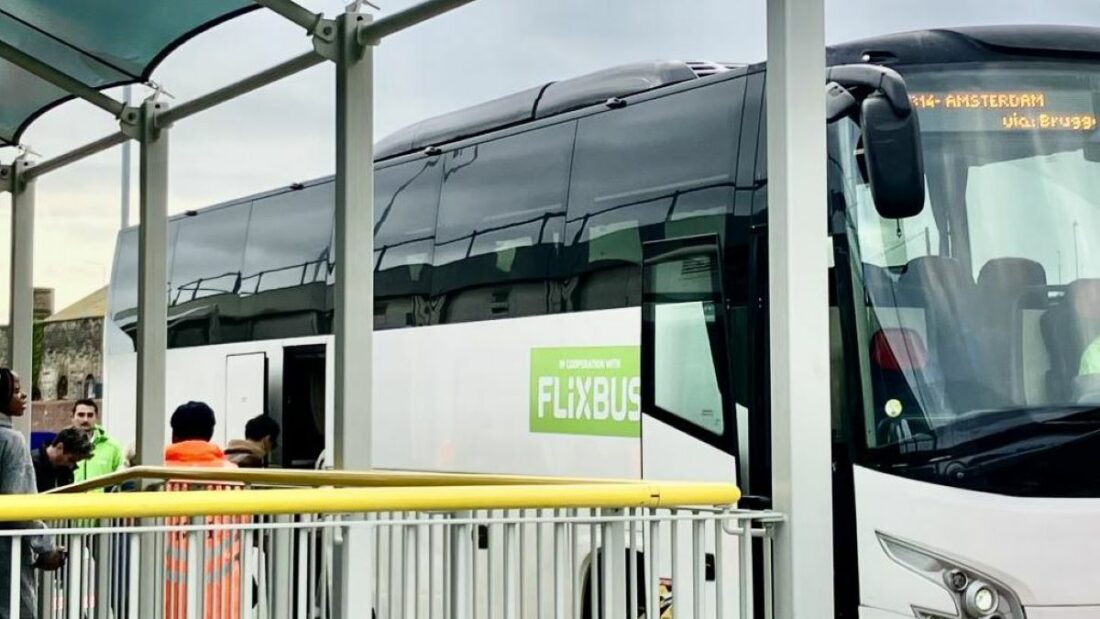
Every bus must now enter this processing facility before proceeding to the ferry terminal. Passengers disembark here for identity checks, conducted in the terminal hall before re-boarding the coach. Following this, the vehicle is sealed and travels directly to French border controls on the Eastern Docks.
Passenger and Coach Flow Details
- Pedestrians follow a different path involving shuttle buses due to limited vehicle capacity.
- Operators handling large groups are advised to notify ferry companies in advance to ensure smooth accommodations.
- Buses without bookings must complete all procedures before ticket purchase.
- The French border police manage EES records, with flexibility during the phased rollout.
- Accessibility remains a challenge due to infrastructure constraints at the processing area, such as narrow lanes and lack of elevated curbs.
- Empty buses with only drivers are also subject to the same routing and controls.
Implications for Passenger Transport Operators and the Wider Logistics Scene
The introduction of these controls marks one of the first real-world applications of the EES for managing large groups of bus passengers at a busy international crosspoint. The change inevitably brings operational challenges but also opens avenues for more reliable identification and security standards.
For the logistics industry, particularly in road passenger transport and freight accompanying such travel, understanding and adapting to these border control updates is crucial to maintaining fluid delivery and service schedules. Efficient movement of vehicles — whether carrying passengers or cargo — depends on clear, transparent processes such as those now unfolding in Dover.
| Process Step | 詳細 | Implications for Operators |
|---|---|---|
| Arrival at Western Docks Processing Facility | All buses enter for passenger disembarkation and ID checks. | Requires precise timing and coordination to avoid delays. |
| Passenger Identity Checks | Digital and biometric verification indoors before boarding. | Improves security but adds time; strict compliance needed. |
| Sealing of Buses | Vehicles are sealed post-check before ferry passage. | Ensures integrity of transport flow; handling procedures must be followed carefully. |
| French Border Controls at Eastern Docks | Final border clearance upon arrival in France. | Operators must plan routes and schedules to incorporate new control points. |
Visualizing the Flow: A Guided Tour of Dover’s New Passenger Processing
A comprehensive video walkthrough highlights everything from bus routing to passenger flow and seal application at Dover. These visual aids serve as valuable tools for operators aiming to minimize disruptions and improve compliance rates. Such support is indispensable at a time when border procedures are rapidly evolving.
Looking Ahead: Insights and Real-World Observations
Joint site visits by IRU, CPT, and industry members like the Belgian Bus Operators Federation and FlixBus have yielded insightful observations, demonstrating the practical functioning of the new system. Operators have witnessed firsthand how vehicles are directed, how passengers undergo checks, and how sealing processes hold up under daily pressures.
As the EES rolls out further into Schengen entry points, the Dover example sets a precedent for handling sizable passenger volumes with enhanced security and process clarity. Lessons learned here will influence border management practices, which in turn affect logistics timelines and passenger experience.
Why Personal Experience Still Reigns Supreme and How You Can Take Advantage
No matter how detailed the guides and reviews, nothing beats experiencing the new border system yourself to understand its nuances and operational quirks. With GetTransport.com, operators and travelers alike can book cargo and passenger transport solutions globally, benefitting from the most competitive prices and wide-ranging options.
Offering transparency, convenience, and affordable choices, GetTransport.com stands out as a logistics partner in these times of change. Whether moving parcels, pallets, vehicles, or bulky goods, its platform simplifies complex transport needs — from home and office moves to freight shipments.
貨物輸送のご予約 GetTransport.com and experience seamless logistics tailored to today’s evolving transport environment.
Wrapping Up: The Bigger Picture in Passenger Transport and Logistics
In summary, the new Entry-Exit System at Dover introduces a technologically advanced and tightly controlled process to securely manage road passenger transport flows at a critical EU-UK gateway. These changes signal an ongoing shift towards digital monitoring and streamlined border management, impacting not just the immediate operators but the broader logistics supply chain involved in cross-border shipment and movement.
Understanding and adapting to these controls is essential for maintaining efficient freight forwarding, haulage, and passenger services. Platforms like GetTransport.com ensure transporters and clients are well-equipped to navigate these shifts effortlessly, securing punctuality and compliance without breaking the bank. From parcel delivery and container hauling to international relocation and moving bulky equipment, the integration of modern control systems with smart logistics solutions is the name of the game for today and into the future.