


 日本語
日本語  English (UK)
  Русский
  العربية
  한국어
한국어  Magyar
  Türkçe
  Español
  Čeština
  Svenska
  Português
  Ελληνικά
  Suomi
Suomi  Nederlands
  Română
  Italiano
  Français
  Polski
  Українська
  Deutsch
  简体中文
简体中文  Slovenčina
  How Driver Enforcement Expands to Shippers and What It Means for Freight and Logistics">

A New Chapter in Enforcement Targeting Shippers and Carriers
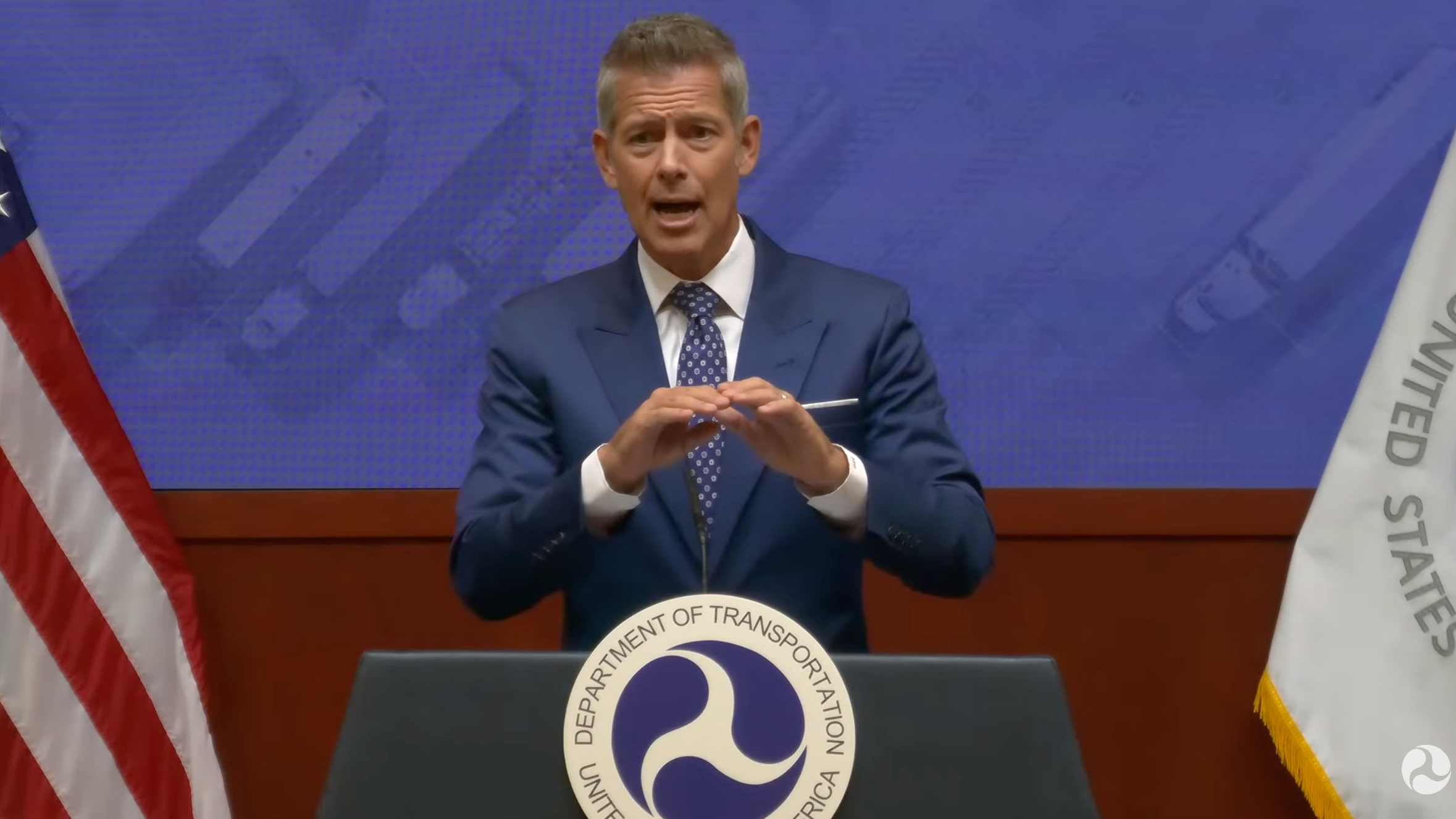
Expanding traditional enforcement beyond trucking companies, recent moves by DOT Secretary Duffy aim to pull shippers into the spotlight for ensuring driver compliance. The focus? Confirming commercial truck drivers meet English language proficiency rules, a crucial safety standard that’s now being tied directly to shippers who load freight. This marks a shift from only scrutinizing carriers to casting a wider net over the entire logistics chain.
The Core of the Enforcement Expansion
Previously, compliance crackdowns centered on trucking companies, holding carriers responsible if their drivers lacked necessary English skills. Now, shippers—the folks who actually put cargo onto trucks—will be required to verify these drivers before sending them off. This added responsibility means shippers could face significant penalties if found enabling non-compliant drivers.
This move seeks to boost road safety by reducing risks associated with communication breakdowns among truck drivers, shippers, and regulatory authorities—a vital cog in maintaining secure freight transport.
Challenges and Changes for Freight Brokerages
For freight brokerages, this poses a hefty new challenge. They can no longer rely solely on motor carriers to ensure driver qualifications. Brokers will have to exercise greater diligence in verifying drivers’ credentials, especially with the rise of AI agents and software bots that can mask language deficiencies, complicating verification processes.
This tightening of enforcement is likely to reshape freight brokerage operations, shifting favor towards larger asset-based carriers that have direct control over their drivers and certifications, rather than relying on independent owner-operators or smaller fleets.
Implications for Logistics and Market Dynamics
Such enforcement changes ripple through the market. Shippers’ increased accountability could lead to more rigorous checks and potential slowdowns in cargo loading if proper driver scrutiny is delayed or complicated. It may also push shippers to favor freight providers who guarantee compliant drivers, potentially limiting options and affecting freight rates.
On the bright side, this could encourage a safer and more predictable transport environment, reducing the risk of accidents caused by communication problems. For companies managing bulky or high-value shipments, having the assurance that drivers meet all federal requirements becomes invaluable.
Table: Enforcement Responsibilities and Potential Impact
| Stakeholder | Enforcement Role | 潜在的な課題 | Logistics Impact |
|---|---|---|---|
| Carriers (Trucking Companies) | Ensure drivers are English proficient | Increased penalties, stricter oversight | Potential operational costs, need for better training |
| 荷送人 | Verify driver qualifications before loading | New compliance burden, possible delays at docks | Shift towards reliable carrier partnerships, higher compliance standards |
| Freight Brokerages | Due diligence in driver verification during load arrangements | Difficulty verifying drivers due to AI or bots, increased liability | Preference for large carriers with employee drivers, operational adjustments |
Insights from DOT Secretary Duffy
Duffy underscored that hiring drivers who can’t speak English is a “huge problem,” stressing that companies must ensure their drivers undergo proper instruction to meet language requirements. Beyond carriers, shippers are now expected to vigilantly refuse loads to drivers who fail these standards, reinforcing a culture of compliance that permeates the entire freight movement process.
This enforcement strategy fundamentally ties together all logistics players—from those who manage and transport goods to those who load and forward them—under a shared accountability umbrella.
Future Outlook: Compliance and Enforcement Effects
As investigations expand across the freight supply chain, shippers and carriers alike will need to invest in compliance systems and staff training to handle the new requirements. The hope is to bring about a safer, more trustworthy transport environment where illegal or unsafe trucking practices are minimized.
With potential threats of funding cuts hanging over states that don’t meet compliance, all logistics stakeholders should stay vigilant, as this regulatory shift emphasizes safety and legal adherence at every link in the freight chain.
Reflecting on the Significance of Personal Experience
While official statements, reviews, and feedback offer valuable insight into these enforcement changes, nothing replaces hands-on experience. Real-world applications and firsthand dealings with new compliance requirements give the clearest picture.
のようなプラットフォームがある。 GetTransport.com offer a practical way for businesses and individuals to engage in cargo transport at competitive rates worldwide. With a wide range of options—from office and home moves to logistics involving bulky goods and vehicles—GetTransport.com lets you pick the best transportation solutions without breaking the bank or navigating compliance on your own.
It’s this blend of affordability, transparency, and wide-ranging service that helps carriers, shippers, and brokers alike adapt smoothly to evolving regulations. GetTransport.comでライドを予約する to experience convenience and compliance first-hand.
Global Logistics Implications
This enforcement shift isn’t just a local hiccup; it signals growing demands for accountability that can reverberate through global freight and shipping logistics. Though it might not turn the entire worldwide logistics market upside down overnight, it signals that every player—from shippers to carriers—must maintain high standards.
At GetTransport.com, keeping pace with these changes helps ensure that cargo deliveries are efficient, legal, and safe, meeting the stringent expectations of modern transport regulations. Start planning your next delivery and secure your freight with confidence through GetTransport.com.
結論
Enforcement policies are evolving to cover a wider spectrum of logistics participants, ensuring that drivers meet essential language proficiency criteria while shifting accountability from carriers alone to include shippers and brokerages. This move enhances safety but introduces new compliance complexities throughout the supply chain.
Companies now face pressing needs to verify driver qualifications strictly, affecting freight logistics, haulage requirements, and shipment scheduling. With rising enforcement comes the potential for market reshuffling favoring larger, well-regulated carriers, impacting distribution and freight forwarding strategies.
For businesses navigating these changes, platforms like GetTransport.com offer a reliable, cost-effective, and easy way to handle a variety of cargo shipments—from parcels and pallets to bulky and vehicle transport—streamlining logistics while meeting compliance demands. By connecting shippers and carriers efficiently, GetTransport.com makes global freight transport smoother, safer, and more transparent in today’s fast-paced market.