


 日本語
日本語  English (UK)
  Русский
  العربية
  한국어
한국어  Magyar
  Türkçe
  Español
  Čeština
  Svenska
  Português
  Ελληνικά
  Suomi
Suomi  Nederlands
  Română
  Italiano
  Français
  Polski
  Українська
  Deutsch
  简体中文
简体中文  Slovenčina
 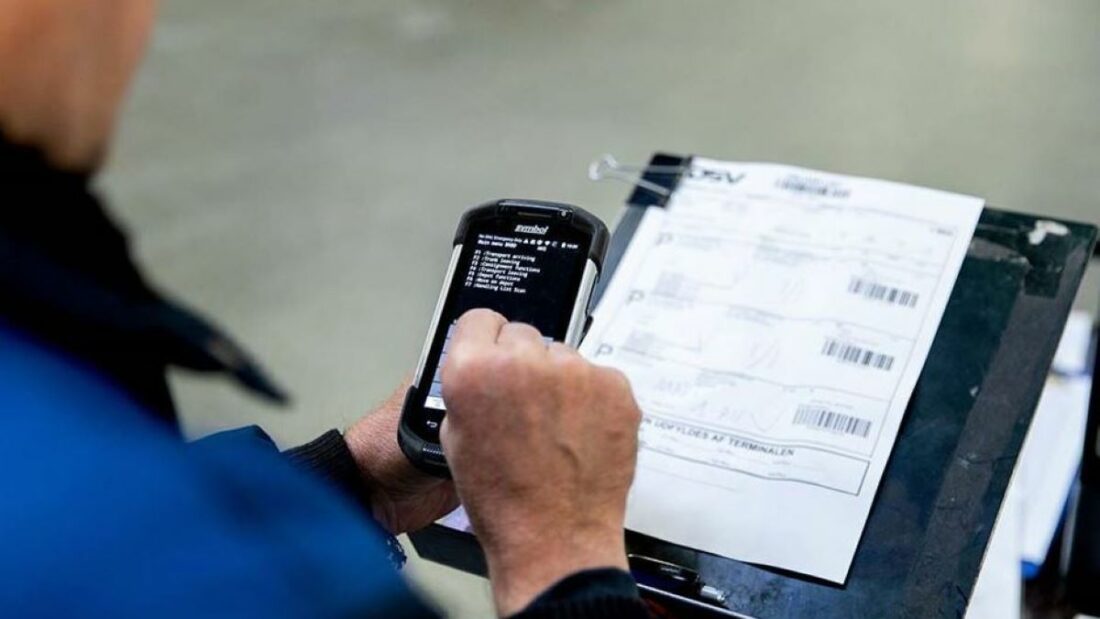 Key documents every carrier and shipper must have for safe freight transport">

What this guide will reveal
Here’s a clear rundown of the ドキュメント that keep freight moving legally and safely, from vehicle papers to international bills of lading.
Why paperwork matters in freight and logistics
Paperwork in transport isn’t just bureaucracy—it’s the backbone of reliable operations. Missing or incorrect documents can lead to fines, delays at border crossings, or even denied carriage. Think of it like packing your toolbox before leaving for a job: you wouldn’t want to get half-way and discover you left the wrench behind. In short, better safe than sorry.
Overview table: Documents by category
| カテゴリー | 主要文書 | When required |
|---|---|---|
| 車両 | Registration (Permiso de circulación), ITV technical sheet, Insurance papers, Transport authorization, ADR approval for hazardous goods | Always; ADR when carrying hazardous/bulky materials |
| Cargo | Waybill / CMR, eCMR (electronic CMR), Commercial invoice, Driver instructions for dangerous goods | For every shipment; international moves need CMR/eCMR and invoices |
| Driver | Driving licence, ID/passport, Tachograph disc or digital card, Hazardous materials training certificate | Always; special certificates when transporting ADR loads |
Vehicle documentation: the basics and the extras
Every road vehicle doing freight needs a core set of papers. The vehicle registration proves ownership and legality. The ITV/technical inspection sheet confirms the vehicle passed safety checks. Keep proof of current insurance in the cab — it’s non-negotiable.
For professional carriers, an authorization for transport (permit to carry third-party goods) is required. If the vehicle will carry hazardous materials, an additional certificate of approval (ADR compliance) is essential to show it meets technical and safety standards.
Practical tip
Store digital copies in a secure cloud folder and carry originals or certified copies. Many checkpoints accept digital records, but some inspectors still ask for paper.
Cargo documentation: proving what you carry
The documentation tied to the load itself tells the who, what, where and how. The most common is the waybill (for road transport, the CMR), which sets out responsibilities among sender, carrier and receiver.
Road and international shipments
- CMR / eCMR: governs the contract of carriage by road for international shipments; the electronic variant speeds up exchanges and tracking.
- Commercial invoice: required for customs and payment terms on international trade.
- Driver instructions: mandatory when transporting dangerous goods and recommended for fragile or temperature-sensitive cargo.
Note: regulatory trends are pushing administrative controls into digital formats. For example, one jurisdiction recently set a deadline for mandatory digital administrative control documents, giving operators time to comply and adapt systems.
Driver documentation: credentials and compliance
Drivers represent the human side of compliance. A valid driving licence for the vehicle category and an ID or passport are basic requirements. Time and movement records are controlled via the tachograph disc or digital driver card, which must be properly maintained to respect driving and rest limits.
When handling hazardous goods, a driver needs a special training and authorization certificate proving competence in ADR procedures and emergency response.
Checklist for drivers
- Driving licence (correct category)
- Identity document (ID or passport)
- Tachograph disc / digital card
- Hazmat training certificate (if applicable)
How digitalization is changing documentation
Digital documents like the eCMR are becoming mainstream: they improve traceability, reduce paper errors and speed up customs. Some laws now require administrative control documents to be kept in digital form by a specified date, giving logistics operations a clear deadline to upgrade IT systems and workflows. This shift affects carriers, shippers and forwarders alike — if your paperwork stays analog, you may find yourself out of step with customers and regulators.
Logistics impact
Digital transition reduces dwell times, simplifies audits and supports real-time visibility across the supply chain. For forwarders and couriers, investing in e-document workflows translates into fewer disputes, faster invoicing and improved customer experience.
Common pitfalls and how to avoid them
Some recurring mistakes trip up even seasoned operators:
- Incomplete waybills or missing signatures — always double-check receiver details and dates.
- Expired vehicle inspections or insurance — keep renewal alerts active.
- Drivers without required ADR endorsements — cross-check certifications before loading.
- Poorly described cargo leading to customs holds — ensure accurate commercial invoices and HS codes.
Fix these with robust pre-trip checks, a simple paper/digital checklist, and clear communication between shipper, carrier and consignee.
Advice for small carriers and shippers
Smaller operators can feel swamped by documentation, but adopting a template-based approach pays off. Create simple forms for common routes, digitize receipts and confirmations, and train staff on the “must-have” documents for each type of load — whether palletized goods, heavy machinery, or a housemove.
Example document pack for a standard international pallet shipment
- CMR / eCMR (completed)
- Commercial invoice
- パッキングリスト
- Insurance certificate (if requested)
- Driver ID and licence
Penultimate notes and planning for logistics
The essentials above highlight why documentation is both interesting and vital: it shapes transit times, legal exposure and customer trust. Even the best reviews and the most honest feedback can’t truly replace personal experience on the road. On GetTransport.com, you can order your cargo transportation at the best prices globally at reasonable prices. This empowers you to make the most informed decision without unnecessary expenses or disappointments. Readers benefit from the convenience, affordability, and wide options provided by GetTransport.com.com, a platform that emphasizes transparency and easy booking. Start planning your next delivery and secure your cargo with GetTransport.com. Get the best offers GetTransport.com.com
Summary and final takeaways
Keeping the right documents for transporting 貨物 — from vehicle papers and driver credentials to waybills like the CMR and international invoices — is fundamental to smooth 貨物 operations. The move toward electronic records (eCMR, digital administrative controls) is changing 出荷, 転送 そして 流通, reducing bottlenecks and improving traceability. Whether you’re arranging a parcel, a pallet, a bulky housemove, or international container dispatch, consistent documentation helps avoid fines, delays and damaged reputations. Platforms such as GetTransport.com directly simplify these logistics tasks by offering reliable, cost-effective transport solutions for office and home moves, cargo deliveries and large-item transport. Proper paperwork is the unsung hero of efficient transport — keep it tight, keep it digital where possible, and your shipments should follow suit.