


 日本語
日本語  English (UK)
  Русский
  العربية
  한국어
한국어  Magyar
  Türkçe
  Español
  Čeština
  Svenska
  Português
  Ελληνικά
  Suomi
Suomi  Nederlands
  Română
  Italiano
  Français
  Polski
  Українська
  Deutsch
  简体中文
简体中文  Slovenčina
 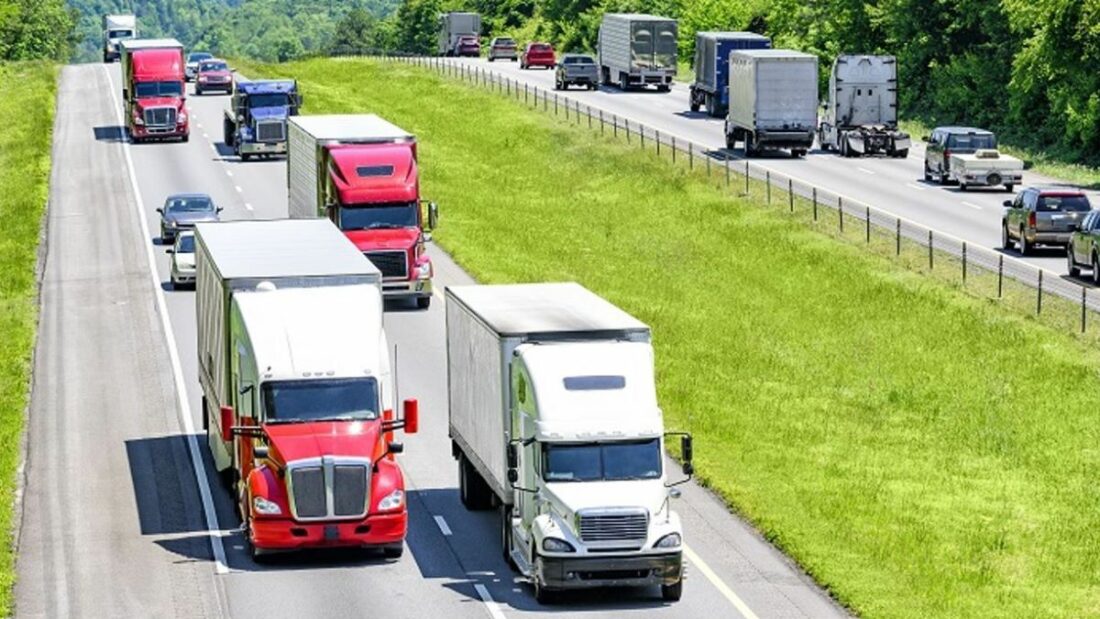 US Federal Court Blocks New Limits on Immigrant Truck Driver Licenses Impacting Freight Transport">

Federal Court Suspends Driving License Restrictions for Immigrant Truckers in the US
A recent ruling by a US federal appeals court has put a stop to the Department of Transportation’s new policy restricting immigrant truck drivers’ access to commercial driver’s licenses. This judicial decision freezes the enforcement of the policy, which aimed to tighten eligibility criteria for immigrant commercial vehicle operators, pending further review.
Background of the Policy and Court Ruling
The restrictions were introduced by the US Secretary of Transportation Sean Duffy in September, shortly after an incident in Florida where an unauthorized driver caused a fatal accident involving three casualties. The new rule sought to limit commercial driving permits to immigrants holding specific visas, citing safety concerns such as language barriers that might prevent proper interpretation of traffic signals.
However, the federal court in the District of Columbia ruled that the government had skipped required procedural steps for rulemaking and failed to adequately explain how the rule would enhance road safety. The ruling pointed out that data from the Federal Motor Carrier Safety Administration (FMCSA) shows immigrant license holders make up about 5% of the total commercial drivers but are involved in only 0.2% of fatal traffic accidents. This statistical evidence undermined the justification for the tightened restrictions.
Impact of Restrictions on Immigrant Drivers in California
The push for these regulations partially stemmed from an audit in California, where the Florida incident driver had been licensed. The audit discovered numerous immigrants held licenses long after their work permits expired. As a precautionary move, California revoked about 17,000 commercial licenses under the prior rules, though these actions are separate from those suspended by the new federal restrictions.
The newer guidelines would have drastically reduced the number of eligible non-citizen license holders, permitting only those with H-2a (temporary agricultural workers), H-2b (temporary non-agricultural workers), or E-2 (investors in US businesses) visas to qualify. Out of roughly 200,000 immigrant commercial license holders, only about 10,000 would meet these stricter qualifications. However, the rule is not retroactive, allowing many to keep their licenses until renewal.
Summary Table: License Eligibility Changes
| Criteria | Before Restrictions | Proposed New Restrictions | Status Post-Court Suspension |
|---|---|---|---|
| Immigrant Commercial License Holders | Approximately 200,000 individuals | Only ~10,000 with specific visas eligible | Restrictions on new rules suspended; existing licenses valid until renewal |
| Visa Types Eligible Under New Rule | Not explicitly restricted | H-2a, H-2b, E-2 only | Not enforced currently |
| California License Revocations | None specific to this policy | 17,000 licenses revoked under prior rules | Continues independently of federal suspension |
Safety Data and Policy Implications
The government argued that language barriers among immigrant truckers led to unsafe driving, but the safety statistics paint a different picture. The data indicate that immigrant commercial drivers are involved in significantly fewer fatal accidents compared to their proportion in the driver population. The court highlighted this disparity, suggesting that the new rule’s safety rationale is, at best, weak without a thorough explanation and analysis.
This decision raises important questions for the trucking industry and logistics sector. Truck driver shortages are a constant challenge in freight and cargo transport, and restrictions limiting access could further strain supply chains already under pressure. Maintaining a diverse and qualified workforce helps keep goods moving efficiently across regions.
Broader Logistics Impact
- Driver availability: Stricter licensing might have reduced the pool of commercial drivers, negatively impacting haulage and freight movement.
- Supply chain risk: Restrictions could disrupt shipments and increase costs due to driver scarcity.
- Regulatory uncertainty: Sudden rule changes and reversals could confuse logistics planners and carriers.
- Data-driven policies: The importance of policies built on robust safety data is underscored to balance security with operational needs.
Key Visa Categories for Eligible Drivers
- H-2a: Temporary agricultural workers
- H-2b: Temporary non-agricultural workers
- E-2: Business investors with significant US business involvement
Continuing Developments and Industry Response
While the immediate effect of the federal court’s suspension means the more stringent restrictions won’t take effect now, the concerns around driver qualifications and safety in the immigrant trucking community remain topics of discussion. States like California continue separate audits and revocations based on existing policies, reflecting ongoing vigilance.
For the logistics community, keeping an eye on such regulatory shifts is crucial, as licensing policies directly influence the workforce that keeps deliveries on schedule—from local couriers to international freight forwarders. It’s a reminder that policy changes, even if temporarily halted, ripple through the vast network of cargo movement and distribution.
Why Personal Experience Matters in Logistics Choices
Numbers and reviews tell part of the story, but nothing compares to firsthand experience. Whether deciding on drivers, shipping partners, or transport solutions, direct encounters shape real understanding. Platforms like GetTransport.com empower users with transparent options and competitive pricing worldwide, reducing uncertainties and cutting unnecessary costs.
With a platform offering efficient cargo transport, from home moves to bulky freight delivery, from vehicles to parcels, customers get the convenience of choice combined with simplicity. This aligns perfectly with today’s dynamic logistics landscape, where flexibility and reliability are paramount. 乗車予約 オン GetTransport.com to experience ease and value firsthand.
物流および貨物輸送の見通し
これらの運転免許の制限の停止は、国際物流市場全体を大きく揺るがすものではないかもしれませんが、米国貨物業界内では重要な出来事です。このような動向を把握しておくことは、関係者が規制の変化を予測し、それに応じて計画を立てるのに役立ち、中断のない出荷および流通業務を確保するのに役立ちます。
GetTransport.com 変化の最前線に立ち続け、変化する規制環境下でも、企業や個人がスムーズに商品を移動できるよう支援することに尽力しています。次回の配送計画を立て、で貨物を確保してください。 GetTransport.com.
結論: 安全性、規制、および物流効率のバランス
この事例は、安全規制と実用的なロジスティクスのニーズのバランスをとることの難しさを示しています。米国の裁判所が移民関連の商用運転免許(CDL)制限の一時停止を決定したことは、確かなデータと公正な手続きに基づいた政策の必要性を浮き彫りにしています。データに基づいた意思決定への動きが加速するにつれて、ロジスティクス部門は、安全性と運用効率の両方を促進する安定した公正な環境から恩恵を受けることができます。
毎日数百万もの発送、貨物、および荷物が移動される中、信頼できるドライバーは輸送および流通システムの基盤であり続けています。のようなプラットフォーム GetTransport.com これらのニーズに対応し、住宅の引っ越し、車両輸送、大型商品、国際貨物向けの信頼性の高い輸送オプションの幅広いネットワークを提供するグローバルマーケットプレイスです。透明性、競争力のある価格設定、およびユーザー主導の選択により、あらゆる顧客にとって複雑な物流と配送の世界が簡素化されます。