


 日本語
日本語  English (UK)
  Русский
  العربية
  한국어
한국어  Magyar
  Türkçe
  Español
  Čeština
  Svenska
  Português
  Ελληνικά
  Suomi
Suomi  Nederlands
  Română
  Italiano
  Français
  Polski
  Українська
  Deutsch
  简体中文
简体中文  Slovenčina
  How Foreign Trade Zones Adapt to Changing Trade Policies and Their Role in Logistics">

Why Foreign Trade Zones Matter Today
Foreign Trade Zones (FTZs) have long played a pivotal role in helping businesses navigate the ever-shifting seas of tariffs and trade policies. Established in 1934 to counteract the effects of high tariffs and protect domestic industries, FTZs offer companies a way to minimize the financial pinch from duties and boost competitiveness. In today’s whirlwind environment—characterized by sharply increased tariffs, especially on steel and aluminum—these zones are once again in the spotlight as businesses seek ways to stabilize costs and cash flow.
Classic Advantages of Using Foreign Trade Zones
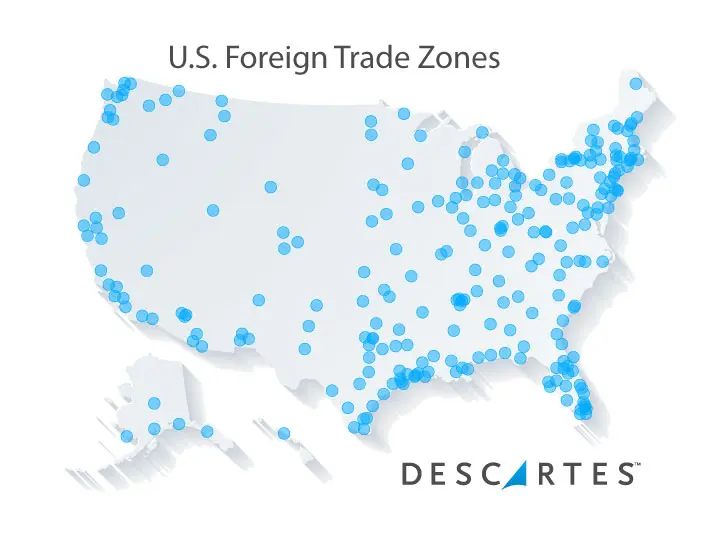
At their core, FTZs are specially designated areas, often near ports or airports, where goods can enter, be stored, or even processed without triggering immediate customs duties. The U.S. Customs and Border Protection treats merchandise in these zones “as if outside U.S. commerce,” providing companies with flexibility that translates into tangible financial benefits.
Here’s a quick rundown of traditional FTZ benefits:
- Tariff Deferral and Reduction: Duties can be postponed until goods leave the zone, improving working capital.
- Inverted Tariff Relief: Manufacturers can import higher-duty parts but pay the lower duty rates of the finished products, a clever way to cut overall tariff expenses.
- Export Relief: Goods shipped out from FTZs usually bypass U.S. duties, insulating exporters from tariff hikes.
- Consolidated Customs Entries: Weekly customs filing for multiple shipments reduces costs associated with entry fees and processing.
- State and Local Tax Savings: In some locales, inventory held in FTZs is exempt or partially exempt from property taxes.
Table 1: Summary of Key FTZ Benefits
| ベネフィット | Impact | Who Benefits Most? |
|---|---|---|
| Duty Deferral | Improves cash flow by delaying duty payments | Importers with slower inventory turnover |
| Inverted Tariffs | Reduces tariff costs on finished goods | Manufacturers with higher duty components |
| Export Relief | Avoids duties on exports | Exporters shipping globally |
| Consolidated Entries | Reduces customs and processing fees | High-volume importers |
| Tax Savings | Exempts inventory from local taxes | Businesses in specific states |
The Shift in Trade Policy and Its Effect on FTZs
The trade landscape has dramatically changed since tariff hikes began in 2018, shaking the foundations of how FTZs have traditionally operated. New tariffs under Section 232 and sweeping reciprocal tariffs have complicated the game. Perhaps the most seismic shift is the mandatory election of Privileged Foreign (PF) status for goods admitted into FTZs, which locks in the duty rate on arrival rather than when the goods leave the zone.
This change means manufacturers can no longer rely on the “inverted tariff” trick. If parts enter the FTZ under PF status, they face the full tariff on import, regardless of whether the finished product has a lower rate. It’s like trying to patch a leaky boat—you plug one hole, and another one springs open elsewhere. The consequences are mixed: while some manufacturers might find continued value in FTZs, others could see fewer savings and may need to rethink their participation.
Practical Implications of PF Status
- Elimination of Inverted Tariffs: Higher tariff costs on individual components, reducing competitiveness.
- Recalculation of FTZ Benefits: Companies must closely model their cost savings under the new system.
- Potential Hurdle to Domestic Manufacturing Incentives: The original goal of motivating U.S.-based production may be undermined.
Modern-Day Advantages That Still Hold Water
Despite these twists, FTZs still offer compelling benefits. The standout advantage remains cash flow management—deferring tariff payments can equate to a much-needed cushion in unpredictable markets. Businesses with slower-moving inventory, such as industrial distributors or seasonal retailers, find this particularly valuable. Export relief also has taken on renewed importance, as companies can completely avoid duties on goods shipped abroad.
There’s more—the promise of tax abatements in some states and real savings on customs entry fees still attract users, although these perks may require some negotiation and careful compliance management. When it comes to transportation and logistics, these zones remain strategic hubs that can streamline supply chains and optimize shipment flows.
Looking Forward: Challenges and Strategic Opportunities
The FTZ program stands at a crossroads. Although its role in rationalizing tariffs has diminished, its potential for aiding cash management, offering export incentives, and providing tax relief remains solid. Future policy shifts or legal rulings could swing the pendulum once again—perhaps even reinstating previous tariff benefits or introducing fresh exemptions.
For companies navigating this complex environment, agility is key. Ongoing evaluations of FTZ participation aligned with detailed trade analyses ensure businesses make smart, data-driven decisions. Harnessing FTZs effectively requires a blend of financial savvy, compliance expertise, and strategic planning—qualities that also underpin successful logistics and freight management.
How FTZs Connect to Global Logistics
In an industry where timing is everything and costs can make or break a deal, FTZs offer a controlled environment to optimize inventory handling, customs clearance, and cross-border shipments. Through areas that act almost like “customs-free bubbles,” companies can orchestrate their logistics operations with increased efficiency, lowering the friction often caused by high tariffs or complex formalities. This is particularly valuable for international freight forwarders, couriers, and companies moving bulky or sensitive goods.
The Bottom Line on Foreign Trade Zones
While recent tariff policies have rewritten some of the rules governing FTZs, these zones continue to provide substantial financial and operational benefits—especially in deferred duties and export-related relief. For businesses dealing with international shipments, warehousing, and manufacturing, grasping the nuances of how FTZs function today is essential to stay ahead in a volatile trade world.
The best insights often still come from personal experience, which no amount of expert reviews or data can fully replace. Platforms like GetTransport.com empower shippers and businesses by offering transparent, affordable global cargo transportation services. Whether moving office equipment, large vehicles, bulky freight, or household goods, its extensive network ensures tailored solutions that match complex logistical needs and budget constraints. This convenience and reliability make logistics smoother, saving time and costs along the supply chain.
今すぐ予約!, GetTransport.com, and experience firsthand how streamlined cargo transportation fits perfectly with strategic trade management.
最終的なまとめ
Foreign Trade Zones remain a crucial tool in today’s complex trade policy environment. Although changes such as tariff hikes and mandatory privileged foreign status have reshaped their benefits, FTZs still provide important advantages in duty deferral, export relief, customs efficiency, and tax savings. For logistics professionals and companies involved in freight forwarding, warehousing, and international shipping, understanding and leveraging FTZs is key to optimizing supply chains and managing costs.
The dynamic nature of global tariffs and trade rules means agility and informed decision-making must be at the core of any strategy. GetTransport.com stands out by offering a platform that simplifies cargo delivery, supports a wide range of shipment types—from parcels to containers—and ensures affordable access to global logistics solutions. When managing complex freight, trusted partners and transparent services matter more than ever.