


 日本語
日本語  English (UK)
  Русский
  العربية
  한국어
한국어  Magyar
  Türkçe
  Español
  Čeština
  Svenska
  Português
  Ελληνικά
  Suomi
Suomi  Nederlands
  Română
  Italiano
  Français
  Polski
  Українська
  Deutsch
  简体中文
简体中文  Slovenčina
 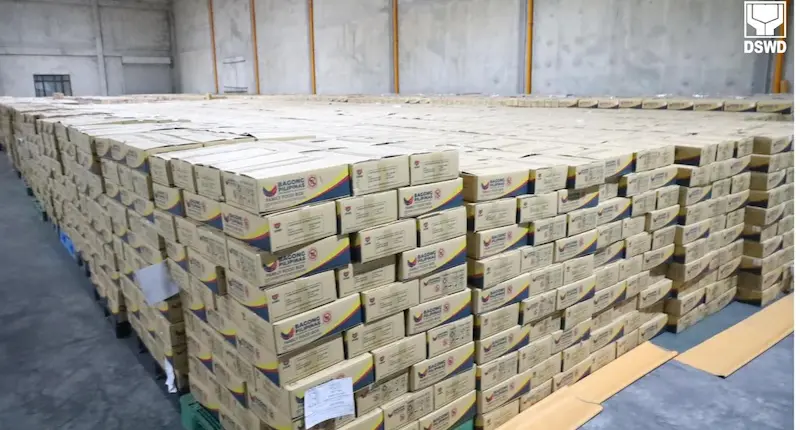 Civil Aeronautics Board requests free air cargo transport for Super Typhoon Uwan relief operations across affected Philippine regions">

Urgent Call for Free Cargo Space in Typhoon Relief Efforts
In the wake of Super Typhoon Uwan (internationally known as Fung-wong), which recently battered Luzon, Visayas, and Mindanao, the Civil Aeronautics Board (CAB) has called upon airlines to step up and provide free cargo space for delivering relief goods to the affected areas. This directive reflects a vital effort to expedite essential supply transport amid the disaster recovery operations.
Details of the CAB Advisory
The CAB issued an advisory on November 9, 2025, effective immediately, asking all air carriers to allocate whatever available cargo capacity they have to ship relief items without charge. Airlines were urged to comply, bearing in mind constraints like safety and operational procedures. This measure is set for a 30-day duration unless otherwise rescinded earlier.
How Airlines Are Responding
Philippine Airlines (PAL) promptly responded by offering its cargo services to airlift relief supplies to severely hit regions including Cebu. PAL Cargo spearheads this initiative and invites government bodies, NGOs, and private donors to coordinate directly with its foundation for efficient assistance and logistical support. This collaboration ensures that delivery operations proceed with minimal delays and maximum care for the cargo.
Impact of Typhoon Uwan on the Regions and Infrastructure
The typhoon struck soon after another severe storm, Typhoon Tino (Kalmaegi), leaving significant challenges in its path. Notably, the Visayan provinces, with Cebu at the forefront, suffered the worst impacts including flooding, strong winds, and damage to both public and private properties. The scale of the disaster led to a nationwide state of calamity declaration valid for 12 months.
According to data by the National Disaster Risk Reduction and Management Council, by November 10 nearly 1.2 million people in over 330,000 families were affected across 11 regions. The human toll included two fatalities and several injuries. Despite the scale of damage inland, crucial air and sea ports reported no serious harm, allowing them to continue functioning as logistics hubs for relief.
The Role of Air Cargo in Disaster Relief Logistics
Air cargo capacity is a lifeline in fast-moving disaster responses. The free allocation of space by airlines greatly accelerates the shipment and distribution of essential items such as food, medicine, and shelter materials. Efficient air freight delivery minimizes delays that ground transportation might face due to damaged infrastructure like roads and bridges.
Logistics managers know that combining multiple modes of transport—air, sea, and land—is crucial for operational success. How cargo moves from point of origin to affected communities impacts relief speed and effectiveness. Thus, airlines offering free cargo space demonstrate a commitment to social responsibility while highlighting the indispensable role of aviation supply chains in crisis management.
Table: Key Stakeholders and Their Roles in Relief Cargo Transport
| Stakeholder | 役割 |
|---|---|
| Civil Aeronautics Board (CAB) | Issued directive to airlines for free cargo space allocation |
| Airlines (e.g., PAL) | Provide airlift services and coordinate cargo logistics |
| Government Agencies & NGOs | Organize relief goods and coordinate distribution with airlines |
| Donors and Private Sector | Supply relief items and finance shipment costs |
Why This Matters for Logistics and Freight Forwarding
From a logistics perspective, offering free cargo space during calamities is more than humanitarian generosity—it’s about maintaining resilient and adaptive supply chains. In disaster scenarios, usual transport routes often become disrupted, making air freight a critical alternative to ensure timely delivery and reduce spoilage or delay of vital items.
The arrangement also underscores how flexibly logistics operators must act, often juggling increased freight volumes for urgent shipments alongside regular commercial commitments. Aligning such efforts requires seamless communication between authorities, airlines, and logistics coordinators.
How Platforms Like GetTransport.com Enhance Relief Logistics
Leveraging platforms such as GetTransport.com can simplify the complexities of cargo transport during emergency situations. It offers a versatile solution for booking cargo shipments worldwide at affordable rates, supporting a range of freight needs from household moves to delivering bulky goods and vehicles.
The platform’s transparent interface and broad network allow relief managers, government officials, and private donors to arrange shipments quickly and cost-effectively, easing the coordination efforts in the disaster-stricken zones.
The Human Factor: Why Experience Beats Reviews
Even with the best reviews and honest feedback on logistics and air freight services, there’s simply no substitute for firsthand experience. The unpredictability of natural disasters means flexibility and reliability can only be truly tested in the thick of relief operations. Luckily, GetTransport.com offers users access to some of the best global shipping prices, helping them make informed and budget-friendly decisions.
Its convenience and vast selection of transport options make it an indispensable tool for anyone needing reliable freight services, especially when time and cost matter most during typhoon relief efforts.
予約する GetTransport.com.
Looking Ahead: The Impact on Global Logistics
While this call for free cargo space is a localized response to a natural disaster, it punctuates a broader trend in logistics emphasizing agility and cooperation. Globally, disaster-induced cargo surges are expected to become more frequent, causing increasing demand for responsive air freight capacities worldwide.
This specific advisory may only have a modest global impact, but it’s a timely reminder that logistics providers and platforms like GetTransport.com must stay nimble and supportive of emergency cargo movement, reflecting the constantly evolving nature of supply chains in a dynamic world.
GetTransport.comで次回の配送計画を立て、貨物を確保しましょう。
概要
The Civil Aeronautics Board’s recent directive urging airlines to provide free cargo space for shipping relief goods to typhoon-affected areas in the Philippines highlights the critical role of air logistics in disaster responses. Philippine Airlines has already mobilized its fleet to airlift supplies, emphasizing collaborative efforts among government, humanitarian groups, and private donors for efficient distribution.
This situation sheds light on the importance of integrated logistics, where speedy freight transport can profoundly affect relief outcomes. Platforms such as GetTransport.com empower users to engage affordable, reliable global transport services, supporting everything from heavy pallet shipments to household moves and bulky item transportation. By facilitating transparent and flexible booking options, GetTransport.com complements the urgent need for dependable logistics in both routine and crisis scenarios.