


 日本語
日本語  English (UK)
  Русский
  العربية
  한국어
한국어  Magyar
  Türkçe
  Español
  Čeština
  Svenska
  Português
  Ελληνικά
  Suomi
Suomi  Nederlands
  Română
  Italiano
  Français
  Polski
  Українська
  Deutsch
  简体中文
简体中文  Slovenčina
 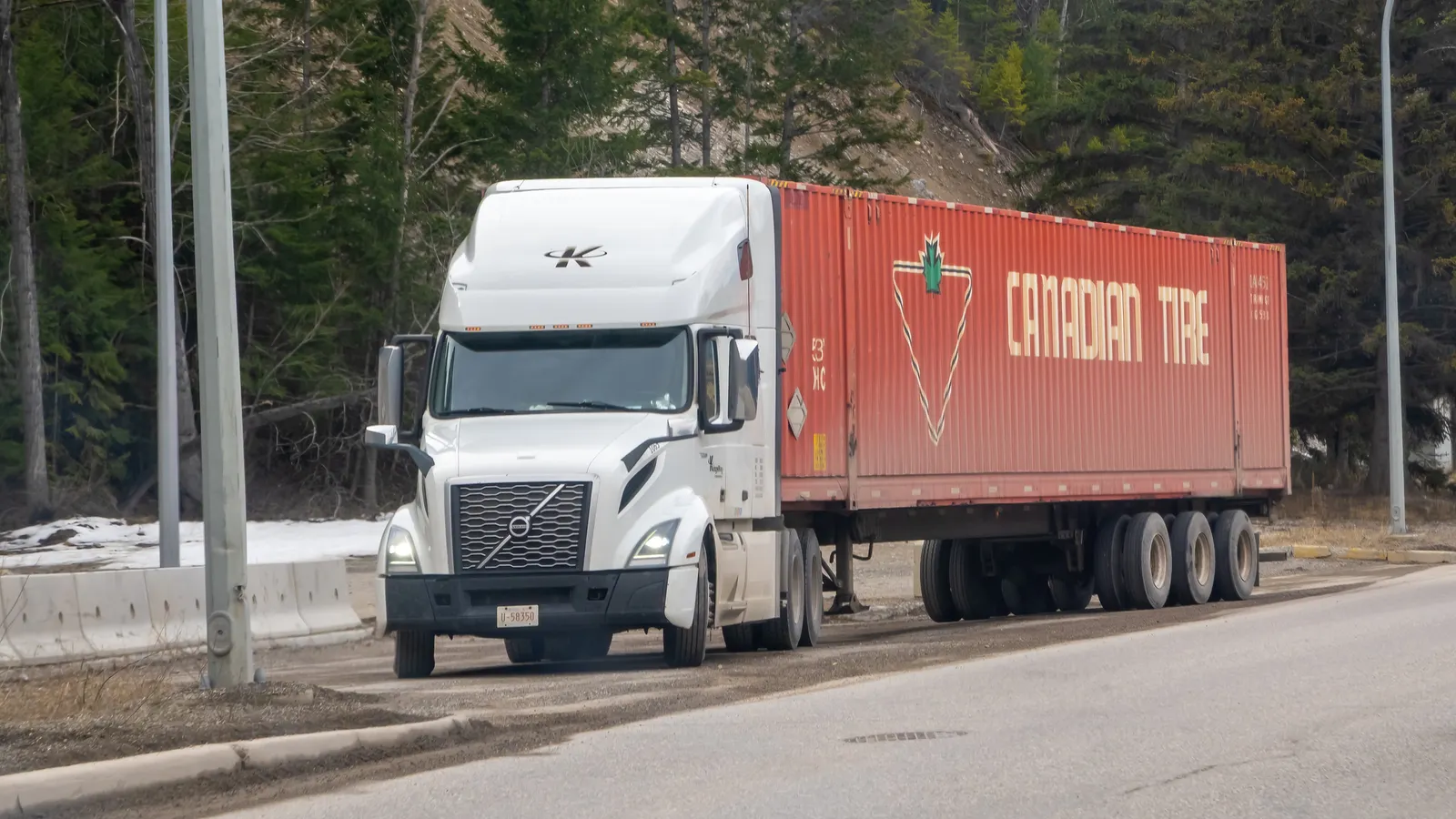 Volvo Trucks North America は、貨物市場のトレンドと車両更新の課題について議論します。">

Freight Demand Outlook: Steady But Challenging Times Ahead
The trucking sector’s freight demand continues to navigate a prolonged downturn that’s stretched over the past three years. According to industry leadership, demand in the near future — specifically the first half of 2026 — is expected to remain largely unchanged from current levels. This perspective highlights the cyclical nature of the transport business, where periods of slower activity inevitably give way to growth phases.
This near-term outlook does not come from a place of doom but rather a realistic acknowledgment of the market’s rhythms. The freight industry, tightly interwoven with economic ebbs and flows, tends to mirror broader economic activity. When the economy gains momentum again, the transport sector will naturally experience a rebound, reigniting freight volumes across the board.
The Cyclical Dance Between Economy and Transport
The relationship between economic cycles and freight volumes is more than just coincidental; it’s practically scripted. As production ramps up, retail demand surges, and manufacturing output rises, the need for shipping to fulfill these activities spikes accordingly. During downturns, cautious spending and inventory optimization tend to slow transportation needs.
Shippers and logistics providers keep a keen eye on these oscillations, planning fleet operations, equipment purchases, and resource allocation to stay lean but ready when the tides turn. The wise saying, “Make hay while the sun shines,” fits snugly here—not just about seizing good times, but also about preparing through strategic decisions during slower spell.
Concern Over Aging Fleets and Replacement Decisions
One of the pressing concerns voiced by the truck manufacturing leadership is the advancing average age of trucks in North American fleets. Sitting roughly between 6.6 and 6.8 years, the average vehicle age is creeping toward a critical threshold where maintenance expenses escalate, and operational efficiency tends to dip.
When trucks reach around seven years old, many fleet operators find it economically sensible to invest in new vehicles. Older trucks invite increasingly frequent repairs and downtime, which ironically costs more than new acquisition over time. This replacement decision is a key driver for the sales pipelines of manufacturers and a bellwether for future freight capacity expansions.
Table: Average Fleet Age and Replacement Impact
| メートル | 価値 | 運輸への影響 |
|---|---|---|
| Average Fleet Age | 6.6 – 6.8 Years | Near critical maintenance threshold |
| Replacement Age Benchmark | Approximately 7 Years | Increased new truck purchases |
| Maintenance Costs | Increase sharply after threshold | Economic case for fleet renewal |
Impact of Regulatory and Tariff Factors
Uncertainties related to changing policies also play a significant role in the logistics and trucking scene. For example, upcoming 2027 emissions regulations present a complex compliance challenge. Currently, the permissible levels of nitrogen oxides (NOx) for heavy-duty trucks are set to drop dramatically from 0.20 grams per brake horsepower-hour to a mere 0.035 grams. This tightening standard demands innovation in engine designs and after-treatment technologies.
Additionally, tariff policies impact production costs and supply chains. However, the fact that Volvo Trucks produces all its vehicles domestically in the U.S. shields it from some tariff complications expected to hit competitors relying on Mexican production facilities. That said, the import of certain parts still introduces cost pressures, though Volvo has absorbed much of this expense so far.
Key Factors Influencing Truck Manufacturing
- Domestic Production: Full U.S.-based truck assembly minimizes tariff exposures.
- Parts Importation: Essential parts imported increase production costs.
- エミッション・コンプライアンス: Looming 2027 NOx limits enforce stricter engineering requirements.
- Competitor Challenges: Some rivals affected more by cross-border manufacturing.
What This Means for Logistics and Freight Transport
The present landscape hints at a tricky period for freight logistics, marked by steady but unimpressive volumes, aging vehicle fleets on the brink of renewal, and looming regulatory hurdles. For logistics operators, the key challenge is how to remain efficient and cost-effective during these quieter times while positioning fleet capabilities to ramp up quickly when demand recovers.
Efficient planning, flexible capacity management, and strategic investment in newer, compliant vehicles will be crucial. This mix ensures operators can avoid bottlenecks and service gaps when shipment volumes eventually rise again. It’s a juggling act of managing maintenance costs, navigating regulatory compliance, and preparing for market recovery.
Potential Implications Table for Logistics Providers
| Industry Aspect | 現在の影響 | 今後の検討事項 |
|---|---|---|
| 貨物需要 | Flat to slightly subdued through early 2026 | Expected to rebound with economic growth |
| Fleet Age | Near replacement threshold; increased maintenance | Opportunities for modern fleet incorporation |
| 規制遵守 | Anticipation of stricter emissions standards | Need for investment in green technologies |
| Tariffs and Costs | Some cost pressures via parts imports | Competitive advantage for domestic producers |
Why Personal Experience Beats All — and How GetTransport.com Fits In
While industry reports and leadership forecasts offer valuable guidance, nothing beats firsthand experience with freight and transport services. True understanding comes from engaging with providers and navigating the realities of cargo movement—whether it’s office relocations, moving bulky equipment, or international shipments.
Platforms that aggregate affordable, global transport options stand out for convenience and transparency. GetTransport.com, for instance, brings together a wide variety of transport solutions under one roof. Whether you need to move large furniture across states or dispatch vehicles internationally, this platform helps simplify and reduce the cost of hauling. This empowers logistics planners and cargo owners alike to make sound, cost-effective choices without the guesswork.
広範なネットワーク、競争力のある価格設定、そして使いやすいインターフェースにより、GetTransport.com は今日の輸送環境の要求と機会に完璧に対応しています。 乗車予約 オン GetTransport.com.
Looking Ahead: Anticipating the Freight Market and Logistics Evolution
グローバルな物流は、緩やかに恩恵を受けることになるでしょう。貨物市場が経済成長に合わせて回復するからです。一朝一夕の変化ではなく、着実な上昇です。微妙な短期的な停滞にもかかわらず、業界の専門家は回復の必然性を認識しており、それは船隊の更新と規制の要請によって推進されるイノベーションによって裏付けられています。
北米のトラック輸送の減速が、世界規模で直接的な影響としてはそれほど大きく見えないかもしれませんが、将来を見据えた物流オペレーションにとって、これらの動向を把握しておくことは重要です。GetTransport.comのようなプラットフォームは、変化し続ける市場ニーズに対応した、効率的で費用対効果の高い輸送および移動ソリューションを提供することで、企業がこれらの波を乗り切るのを支援する態勢を整えています。
次回の配送計画を立て、貨物の安全を確保しましょう。 GetTransport.com.
概要
トラック輸送業界は、現在、2026年初頭まで続くことが予想される3年間の貨物需要の低迷に定義されています。これは、より広範な経済サイクルを反映しています。メンテナンスの重要な閾値に近づく老朽化した車両群は、7年程度の更新経済性を背景に、これから始まる新規トラック購入の波を示唆しています。規制上の課題、特に2027年の厳格な排出ガス基準は複雑さを増し、製造および車両のアップグレードに影響を与えます。関税は部品のコストに影響を与えますが、国内生産は一部のメーカーにとって競争上の優位性を提供します。物流関係者は、コスト効率と市場の急増への対応準備のバランスを取る必要があり、GetTransport.comのような、多様で手頃な価格の輸送と移動ソリューションを提供するプラットフォームが、重要な役割を果たします。これらのサービスは、現在のギャップを埋め、将来の貨物急増に備えるのに役立ち、変化する経済および規制環境の中で、幅広い種類の貨物に対して、信頼性とカスタマイズされた輸送を確保します。